Top Solar Energy Trends: Innovations Shaping the Future


Introduction to Solar Energy Trends
The solar energy sector is undergoing a remarkable transformation, driven by technological advancements and increasing global demand for sustainable energy solutions. As we look to the future, several key trends are emerging that promise to reshape the landscape of solar power. These innovations not only enhance efficiency but also make solar energy more accessible and affordable.
Advancements in Solar Panel Efficiency
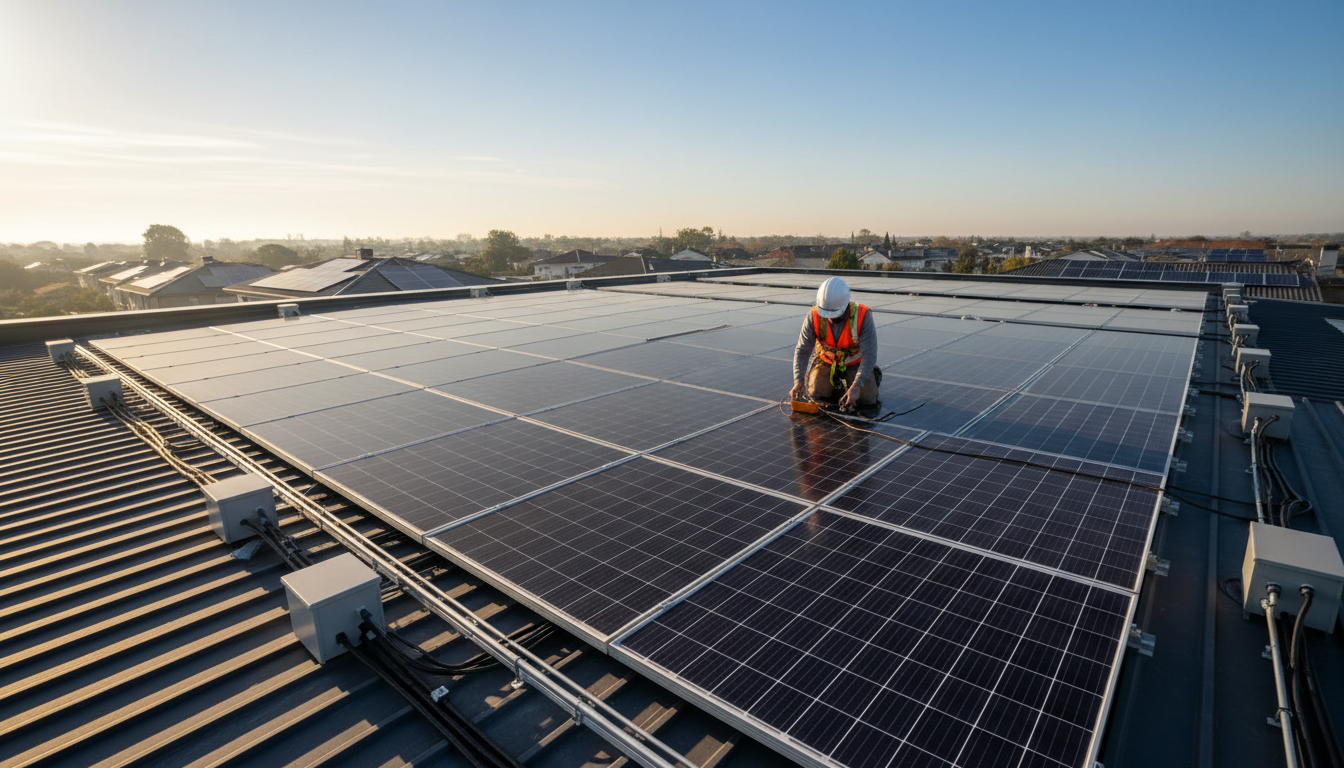
One of the most significant trends in the solar industry is the improvement in solar panel efficiency. Modern panels are now capable of converting more sunlight into electricity than ever before. This is largely due to innovations in materials and cell technology, such as the use of perovskite and bifacial solar cells, which can capture sunlight from multiple angles.
These advancements are crucial for maximizing energy output, especially in areas with limited space for panel installation. As efficiency continues to improve, solar energy will become an even more viable option for both residential and commercial applications.
Energy Storage Solutions
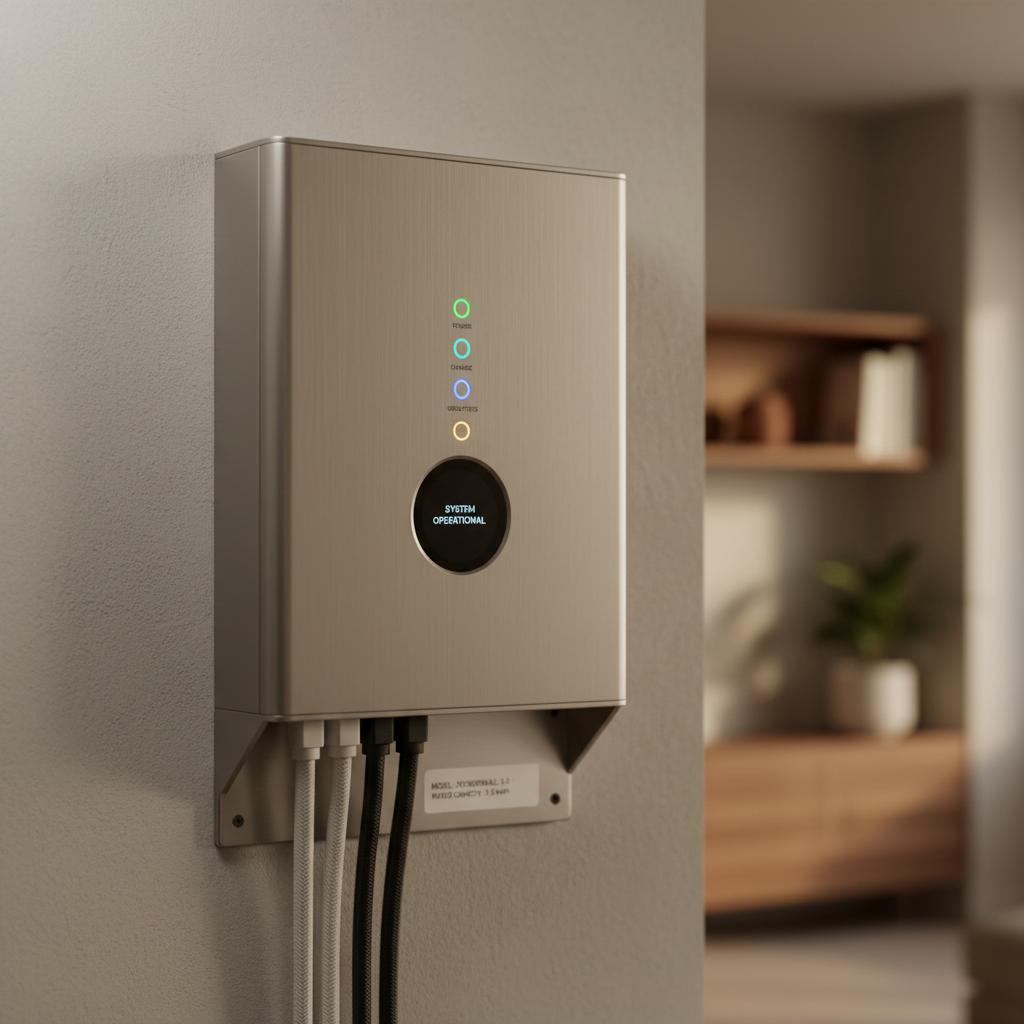
Pairing solar panels with efficient energy storage systems is another trend gaining momentum. The development of advanced batteries, such as lithium-ion and solid-state batteries, is enabling homeowners and businesses to store excess solar energy for use during cloudy days or at night.
This capability not only enhances energy independence but also stabilizes the grid by reducing reliance on non-renewable energy sources. As storage technology advances, the integration of solar energy into everyday life becomes increasingly seamless.
Floating Solar Farms
Floating solar farms, or floating photovoltaics, are an innovative solution to land scarcity. By installing solar panels on bodies of water, these systems take advantage of unused space while benefiting from the cooling effect of water, which can improve panel efficiency.
This trend is particularly beneficial for densely populated regions where land is at a premium. Floating solar farms represent a creative approach to expanding solar capacity without competing for land resources.
Smart Solar Technologies
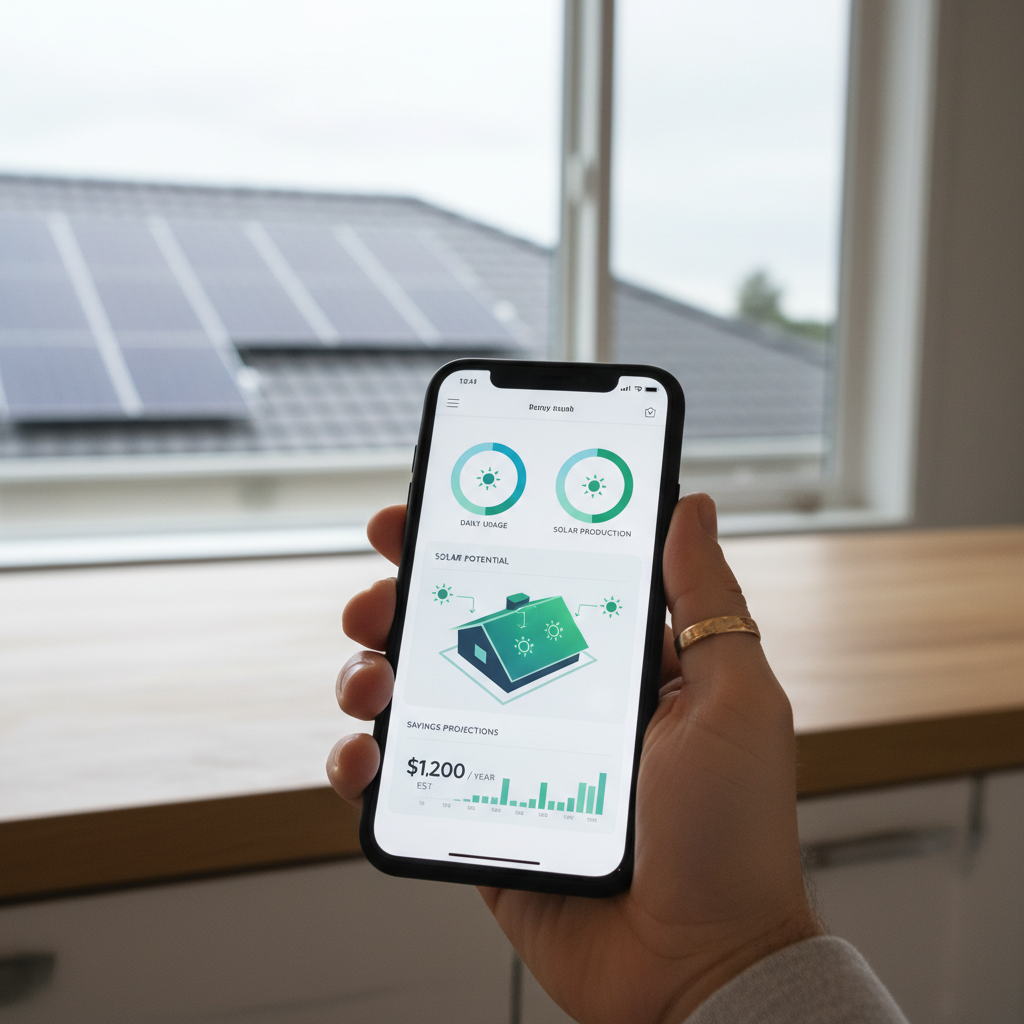
The integration of smart technologies into solar systems is revolutionizing how we generate and manage solar energy. Smart inverters, monitoring systems, and IoT-enabled devices allow for real-time data analysis and optimization of energy production and consumption.
These technologies improve system performance, reduce maintenance costs, and offer users greater control over their energy usage. The smart solar trend is set to enhance the overall efficiency and user experience of solar installations.
Community Solar Projects
Community solar projects are growing in popularity as they provide a way for multiple stakeholders to share in the benefits of solar energy. These projects allow individuals and businesses to invest in a shared solar array and receive credits on their electricity bills.
This model democratizes access to solar power, enabling those who cannot install panels on their own property to participate in the renewable energy movement. Community solar projects are an inclusive approach to expanding solar adoption.
Conclusion
The future of solar energy is bright, with innovations continually pushing the boundaries of what is possible. From enhanced panel efficiency to smart technologies and community projects, these trends are paving the way for a more sustainable and energy-independent world. As these advancements unfold, solar energy will play an increasingly vital role in our global energy landscape.