Top Myths About Solar Energy Debunked


Understanding Solar Energy
Solar energy is a rapidly growing source of renewable energy, but despite its popularity, several misconceptions persist. These myths can deter people from investing in solar technology. In this post, we aim to debunk some of the most common myths about solar energy.
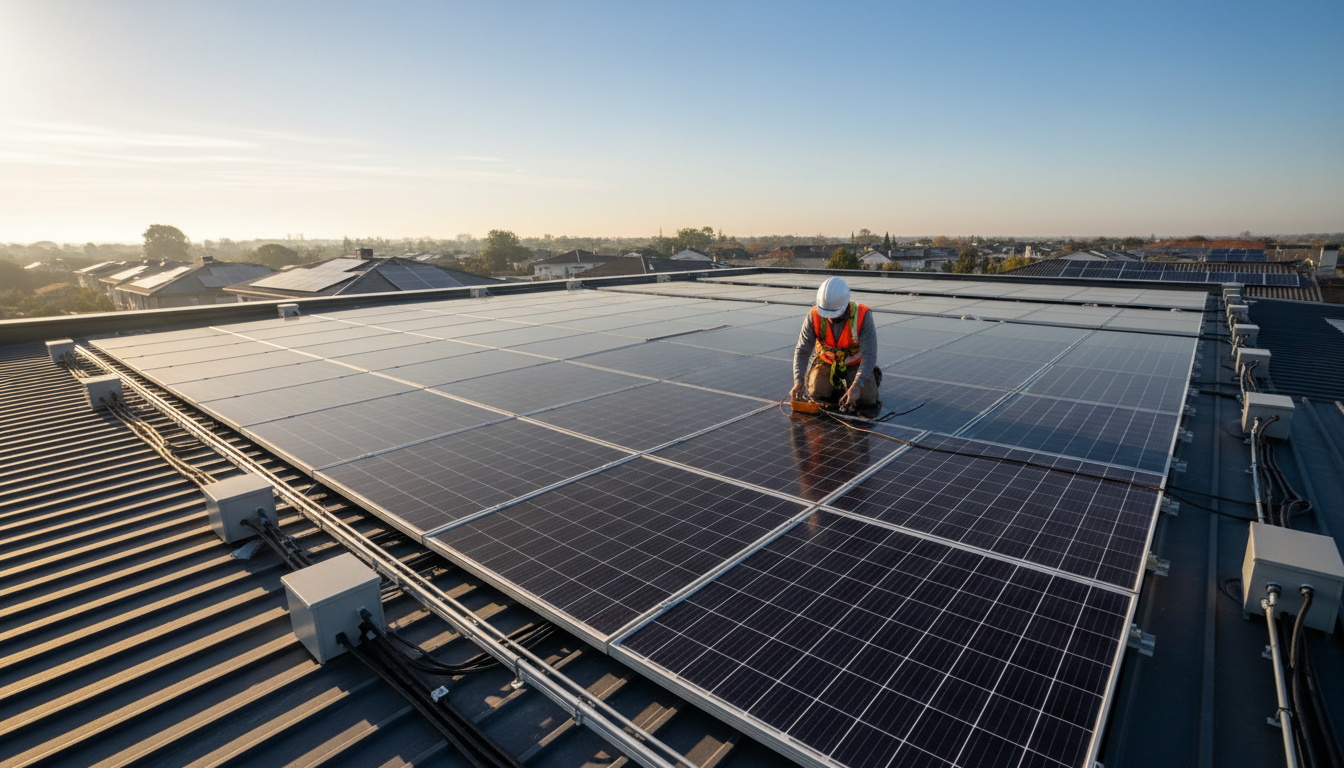
Myth 1: Solar Panels Don't Work in Cloudy Weather
One of the most widespread myths is that solar panels are ineffective on cloudy or rainy days. While solar panels indeed perform best under direct sunlight, they can still generate electricity on cloudy days. In fact, countries like Germany, with less sunshine, are leaders in solar energy production.
Solar panels use both direct and indirect sunlight, converting even diffuse light into usable energy. Although efficiency is reduced, they still function adequately in less-than-ideal conditions.
Myth 2: Solar Energy is Too Expensive
The perception that solar energy is unaffordable is outdated. The cost of solar panels has decreased significantly over the past decade. Additionally, many governments offer incentives, tax credits, and subsidies to make solar power more accessible to homeowners and businesses.
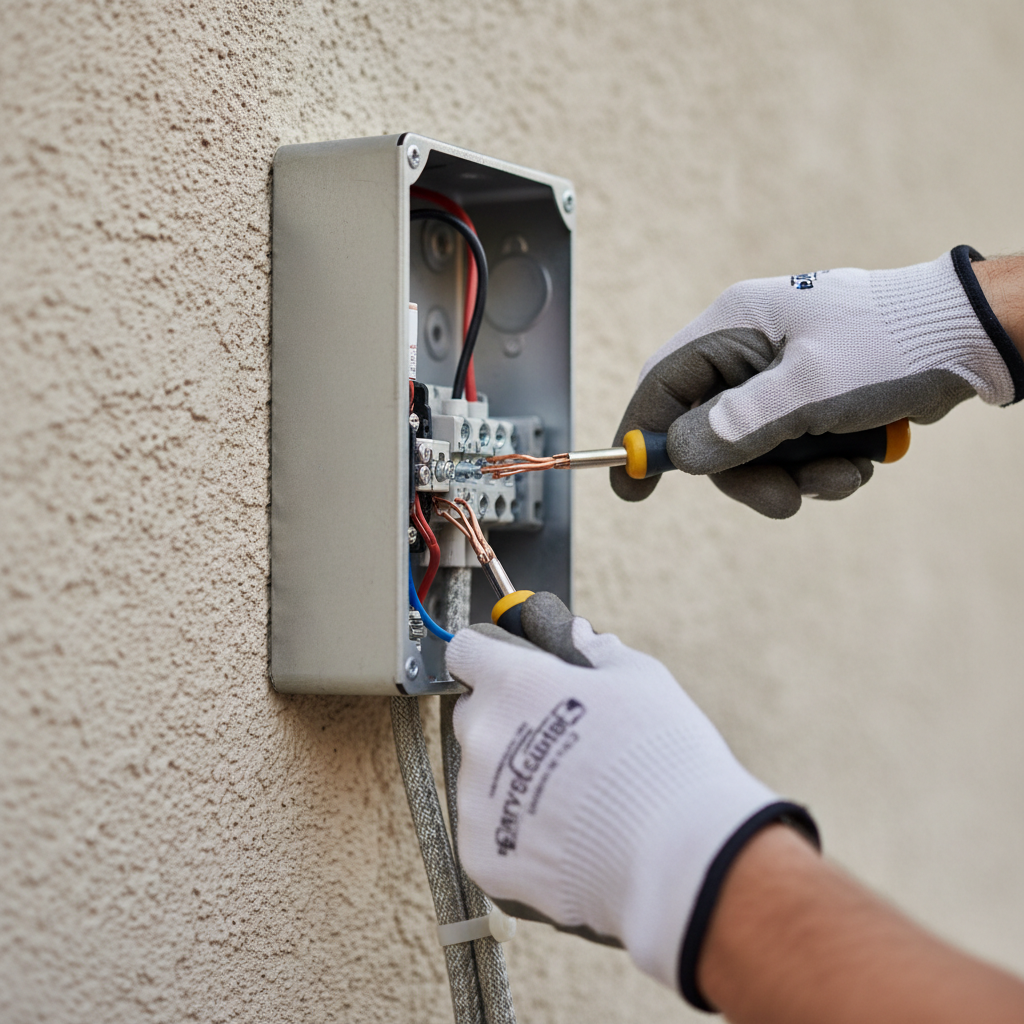
Moreover, the long-term savings on electricity bills can outweigh the initial investment, making solar energy a cost-effective solution in the long run.
Myth 3: Solar Panels Require Constant Maintenance
Another misconception is that solar panels demand frequent maintenance. In reality, solar panels are designed to be low-maintenance. They have no moving parts, so the risk of mechanical failure is minimal. Regular cleaning and occasional inspections are typically all that's needed to keep them functioning efficiently.
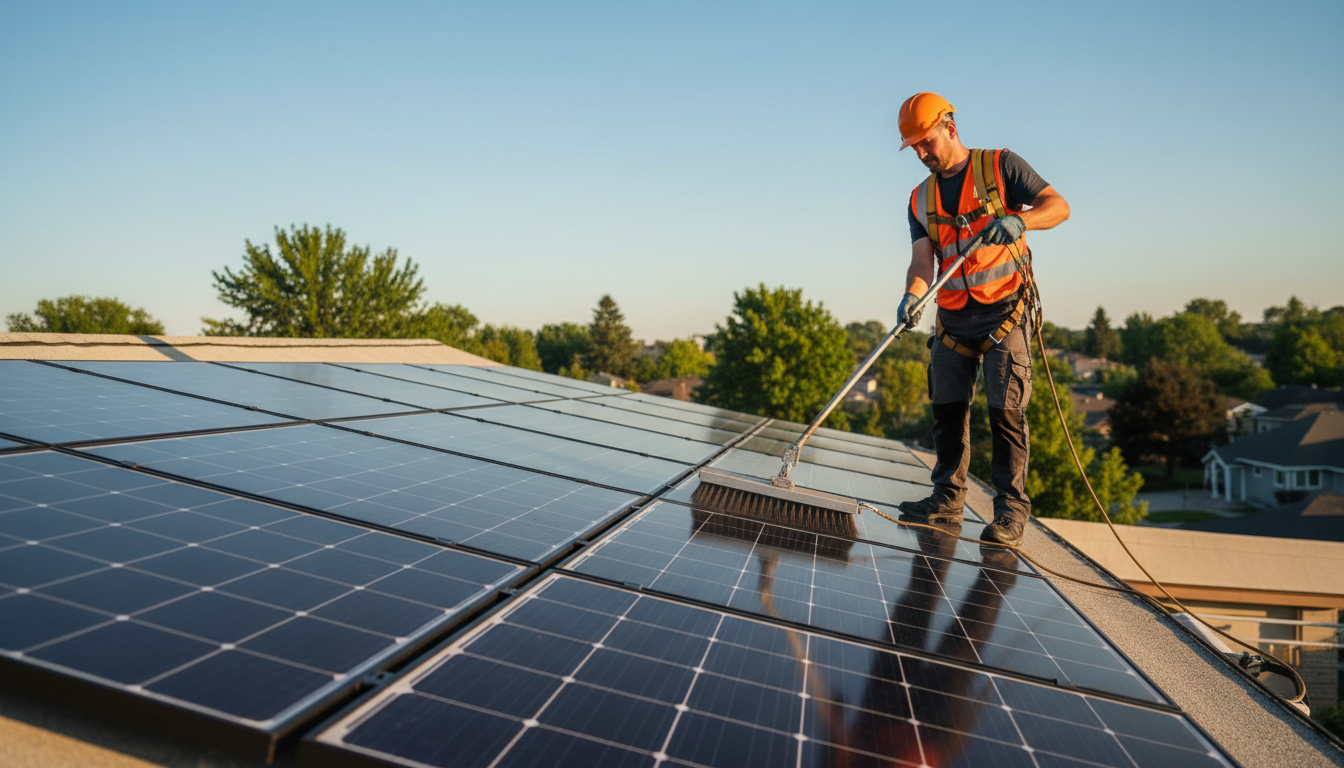
Most solar panels come with warranties lasting 20-25 years, offering peace of mind to those concerned about maintenance issues.
Myth 4: Solar Energy Isn't Reliable
Some believe that solar energy is unreliable due to its dependence on sunlight. However, advancements in battery storage technology have made it possible to store excess energy generated during sunny periods for use during times when sunlight is not available.
These storage solutions ensure a continuous power supply, enhancing the reliability of solar energy systems even during power outages.
Embracing the Future of Energy
As we challenge these myths, it's clear that solar energy is a viable and sustainable option for reducing carbon footprints and cutting electricity costs. Armed with the right information, more individuals and businesses can make informed decisions about embracing solar technology.
By debunking these myths, we can pave the way for a cleaner, more sustainable future powered by renewable energy.