Top 5 Myths About Solar Energy Debunked


Introduction
Solar energy has gained significant popularity as a sustainable power source. However, several myths continue to circulate, creating confusion and skepticism. In this post, we will debunk the top five myths about solar energy and shed light on the truth behind this renewable resource.
Myth 1: Solar Panels Don't Work in Cloudy Weather
One common misconception is that solar panels require constant, direct sunlight to function. While it's true that solar panels are most efficient under direct sunlight, they can still generate electricity on cloudy days. In fact, countries known for their overcast weather, like Germany, are leading solar energy users.
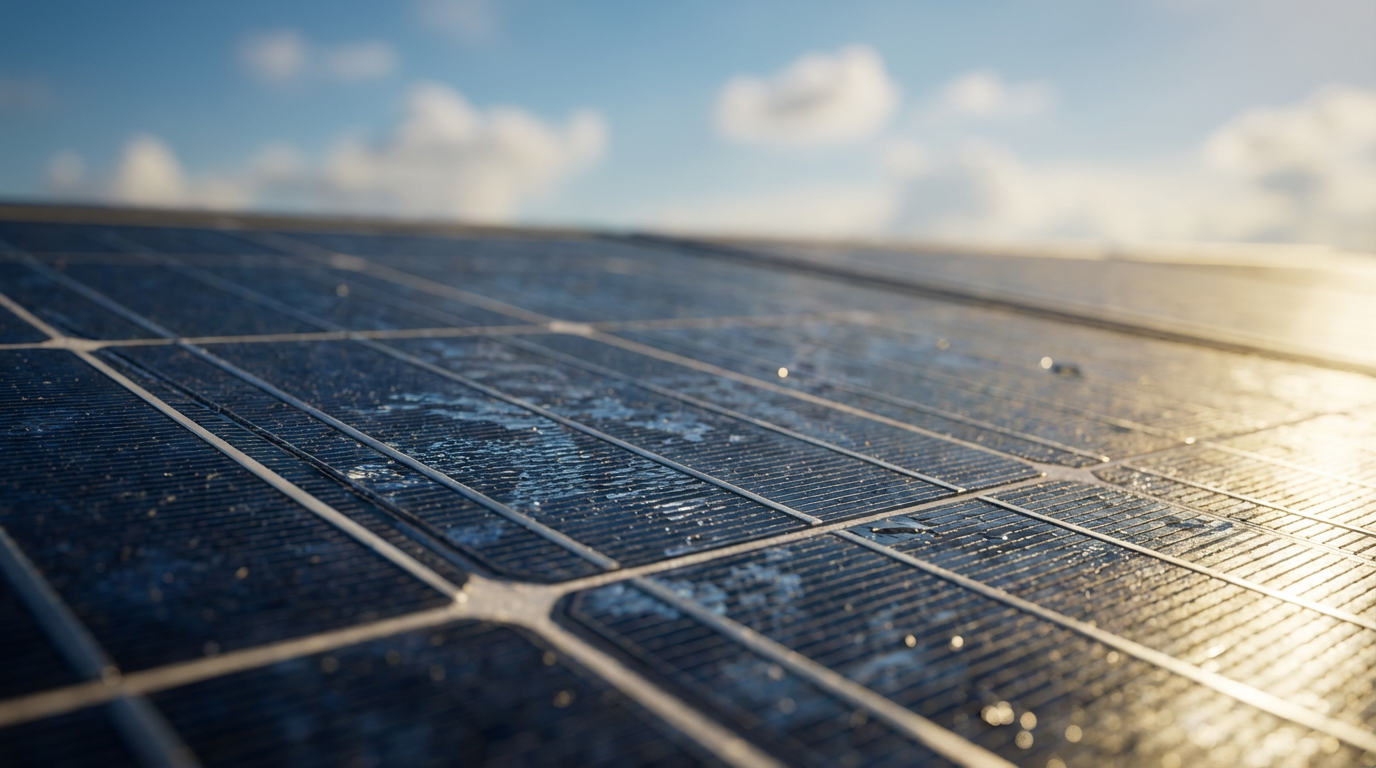
Solar panels use photovoltaic cells that can capture a broad spectrum of sunlight, including diffused sunlight. Although the efficiency might be lower than on sunny days, solar panels are still a viable energy source year-round.
Myth 2: Solar Energy Is Too Expensive
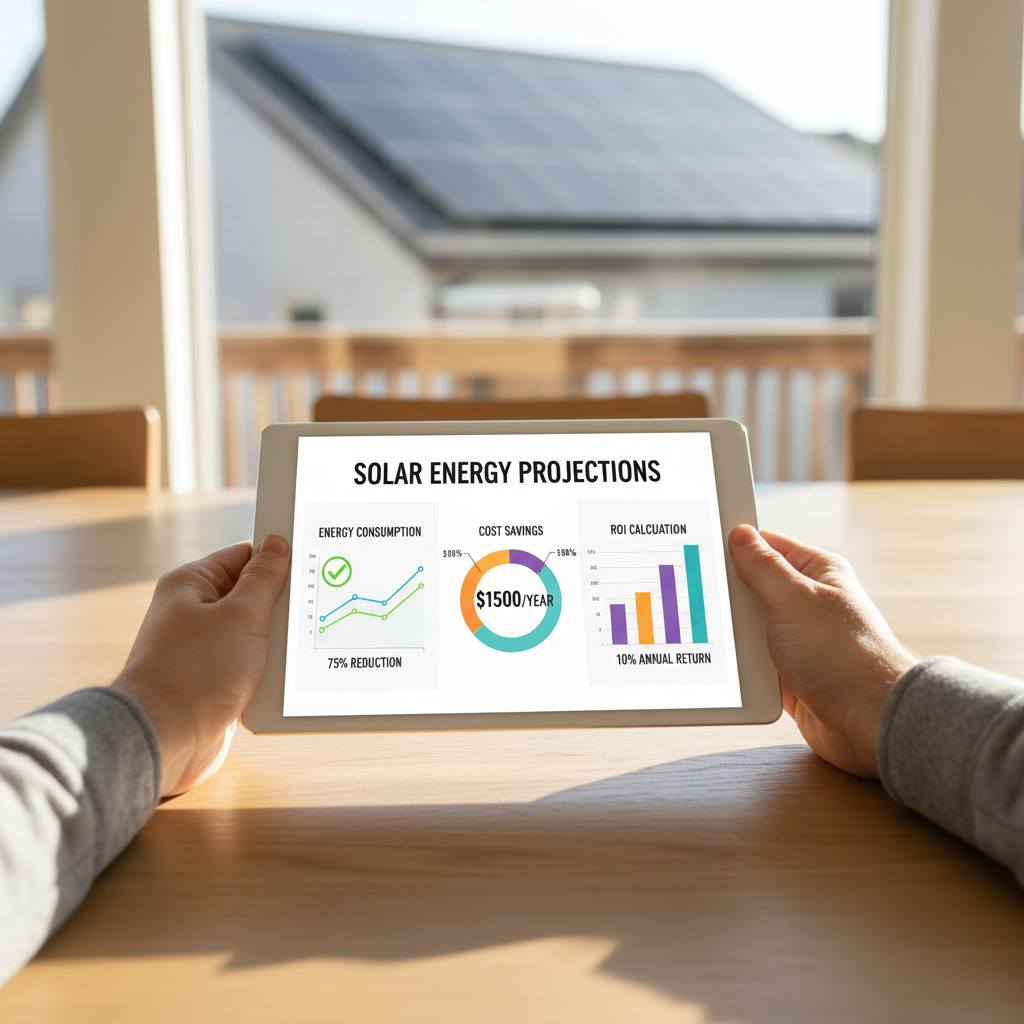
Many people believe that solar energy is prohibitively expensive. While the initial installation costs can be high, the long-term savings and benefits often outweigh these expenses. With advancements in technology and government incentives, the cost of solar installations has decreased significantly over the past decade.
Additionally, solar panels can increase the value of your home and lower your electricity bills. Over time, the investment in solar energy can lead to substantial financial savings.
Myth 3: Solar Panels Require High Maintenance
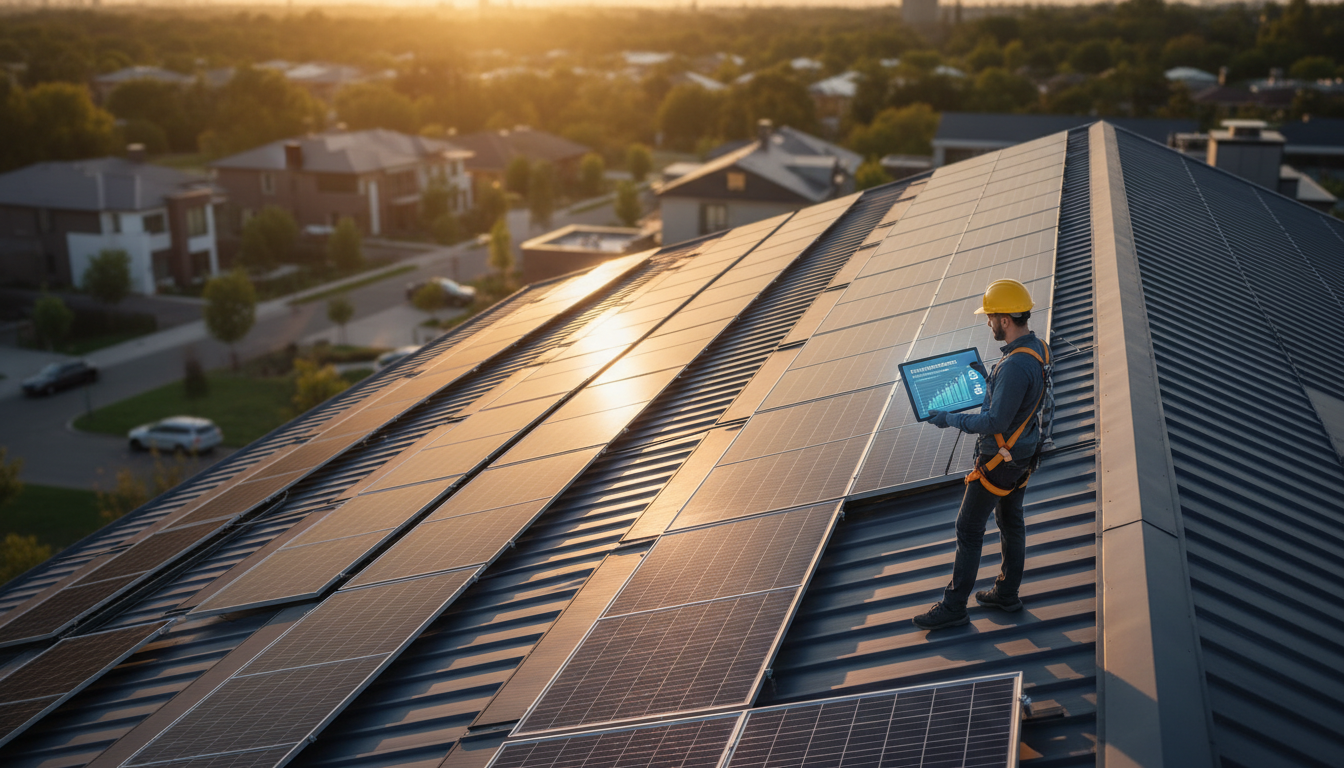
Some think that maintaining solar panels involves complex and costly procedures. In reality, solar panels are designed to be durable and require minimal maintenance. Regular cleaning and occasional inspections are usually enough to keep them functioning efficiently.
Most solar panels come with lengthy warranties, often covering 20 to 25 years, providing peace of mind and assurance of their longevity and reliability.
Myth 4: Solar Energy Isn't Efficient
There's a belief that solar energy isn't efficient enough to meet energy needs. However, technological advancements have significantly improved the efficiency of solar panels. Modern solar panels can convert a substantial portion of sunlight into usable electricity, making them a viable option for both residential and commercial use.
Moreover, solar power systems can be scaled according to energy requirements, ensuring that they provide sufficient power for various applications.
Myth 5: Solar Panels Are Harmful to the Environment
Contrary to the myth that solar panels are harmful, they actually offer a cleaner alternative to fossil fuels. The production process of solar panels has environmental impacts, but these are far outweighed by the reduction in greenhouse gas emissions over their lifetime.
By reducing reliance on non-renewable energy sources, solar panels contribute to a more sustainable and environmentally friendly energy future.
Conclusion
Understanding the facts about solar energy is crucial for making informed decisions. By debunking these myths, we hope to encourage more people to consider solar energy as a reliable, efficient, and environmentally conscious choice. Embrace the power of the sun and join the movement towards a sustainable future.