The Ultimate Guide to Solar Energy for Homeowners


Understanding Solar Energy
Solar energy has become a popular choice for homeowners looking to reduce their carbon footprint and save on energy costs. It involves converting sunlight into electricity using photovoltaic (PV) panels. This renewable energy source offers a sustainable alternative to traditional fossil fuels, helping to mitigate climate change.
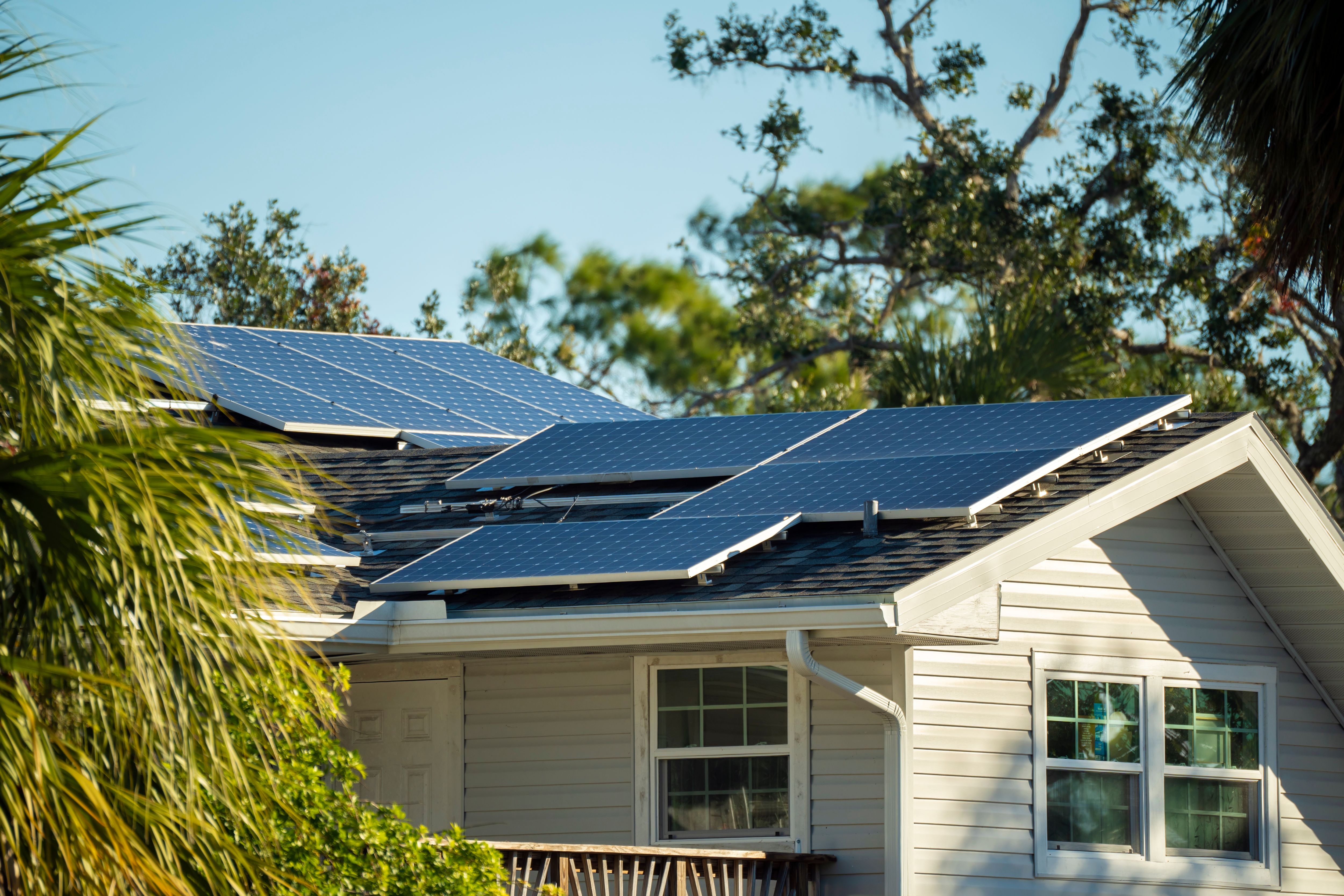
By installing solar panels, homeowners can generate their own electricity, reduce reliance on the grid, and potentially increase their property value. Understanding how solar energy works is the first step toward making an informed decision about installation.
Benefits of Solar Energy for Homeowners
One of the most significant benefits of solar energy is the potential for cost savings. Once installed, solar panels can significantly reduce or even eliminate your electricity bills. Additionally, many governments offer incentives and tax credits to encourage solar adoption, further reducing the initial investment cost.
Solar energy is also a clean and renewable source of power. By using solar, you are reducing greenhouse gas emissions and contributing to a healthier environment. It also promotes energy independence, as you become less susceptible to fluctuations in electricity prices.

Financial Incentives and Rebates
Several financial incentives make solar energy more accessible. These include federal tax credits, state rebates, and local incentives. For example, the federal solar tax credit allows you to deduct a portion of your solar costs from your taxes. Many states offer additional rebates, further lowering the cost of solar installation.
It’s essential to research the incentives available in your area, as they can significantly impact the overall cost and savings of your solar energy system.
Choosing the Right Solar System
Selecting the right solar system for your home involves evaluating several factors, including your energy needs, budget, and roof suitability. Start by assessing your current energy consumption and determining how much you want to offset with solar. This will help you decide the size and type of system needed.
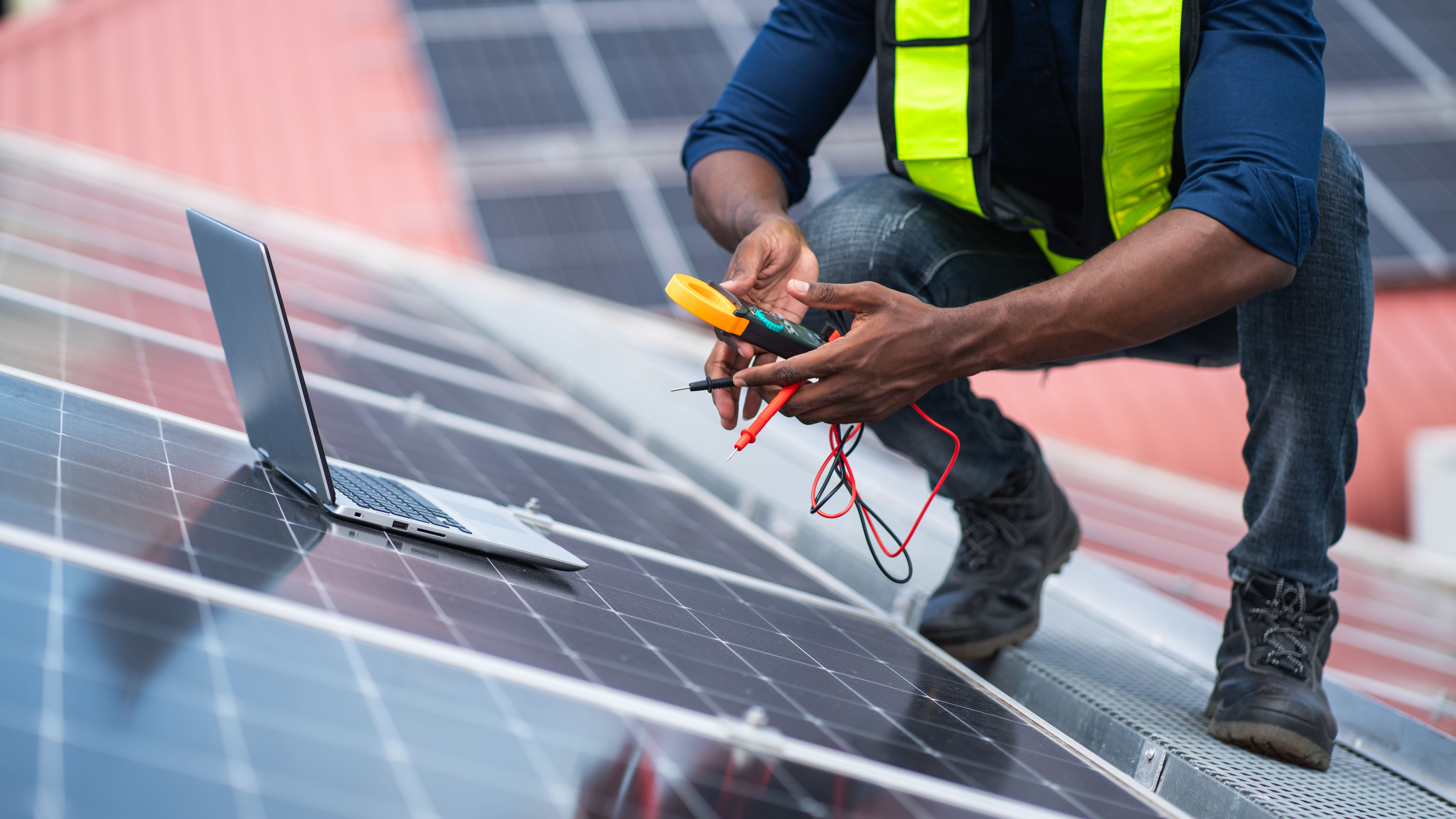
Consulting with a professional solar installer is crucial. They can provide a detailed assessment of your home, recommend the best system, and handle the installation process. Consider companies with strong reputations and warranties to ensure long-term performance and support.
Maintenance and Longevity
Solar panels are known for their durability and low maintenance requirements. Regular cleaning and occasional inspections are typically all that’s needed to keep them operating efficiently. Most solar panels come with warranties lasting 20 to 25 years, ensuring a long lifespan and reliable performance.
By investing in a quality system and performing regular maintenance, homeowners can enjoy the benefits of solar energy for decades.
Conclusion
Solar energy offers a compelling opportunity for homeowners to save money, reduce their environmental impact, and gain energy independence. By understanding the benefits, financial incentives, and choosing the right system, you can make an informed decision that aligns with your energy goals.
As technology advances and the demand for renewable energy grows, solar energy will continue to be a smart and sustainable choice for homeowners worldwide.