The Ultimate Guide to Solar Energy: Powering Your Home Efficiently


Understanding Solar Energy
Solar energy has become a popular and sustainable way to power homes. By harnessing the sun's energy, homeowners can reduce their reliance on traditional electricity sources, cut costs, and minimize their environmental impact. But how exactly does solar energy work, and what makes it so efficient?
The Basics of Solar Power
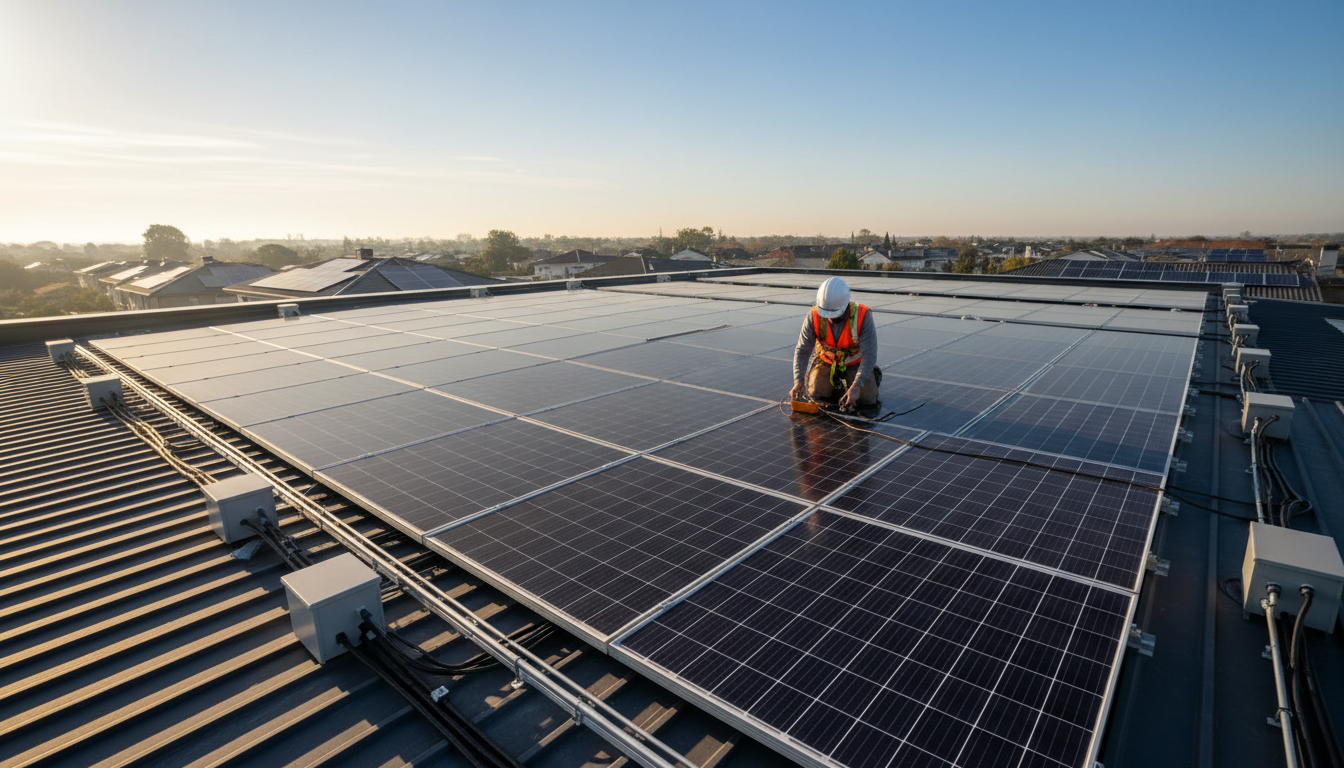
Solar power systems convert sunlight into electricity using photovoltaic (PV) cells. These cells are typically made from silicon and are designed to capture sunlight and transform it into direct current (DC) electricity. An inverter then converts this DC electricity into alternating current (AC) electricity, which is used to power your home.
One of the major benefits of solar energy is its ability to provide clean, renewable energy. Unlike fossil fuels, solar power generates electricity without emitting harmful pollutants or greenhouse gases.
Benefits of Solar Energy
Solar energy offers numerous advantages that make it an attractive option for homeowners. Here are some key benefits:
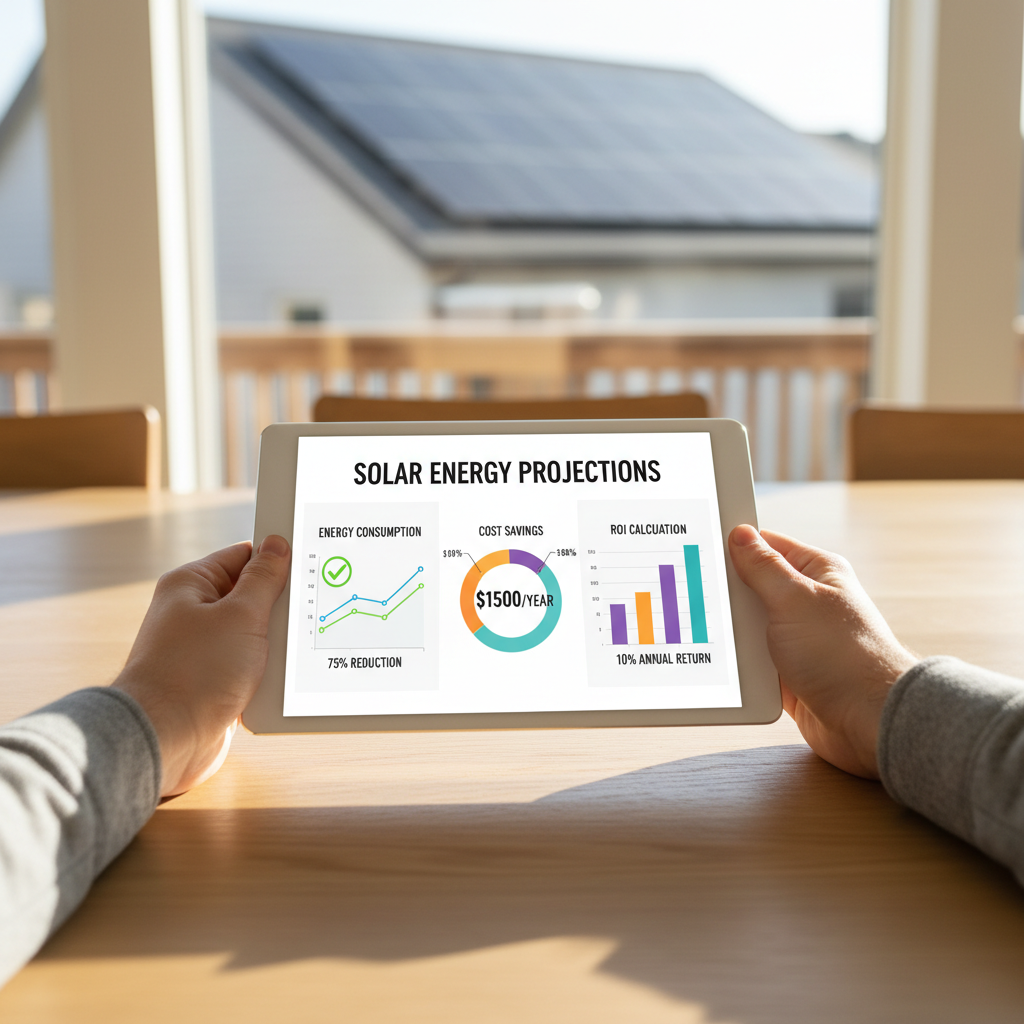
- Cost Savings: Once installed, solar panels can significantly reduce or even eliminate your electricity bills.
- Environmental Impact: Solar energy is a clean, renewable source that reduces your carbon footprint.
- Energy Independence: By generating your own electricity, you become less reliant on the grid.
Choosing the Right Solar System
When selecting a solar system for your home, consider factors such as your energy needs, roof space, and budget. There are several types of solar panels available, including monocrystalline, polycrystalline, and thin-film panels. Each type has its pros and cons, so it’s essential to choose the one that best fits your specific requirements.
Installing Solar Panels
Installing solar panels involves several steps, from assessing your home’s suitability to finding a reputable installer. Here’s a basic outline of the installation process:
- Site Assessment: A professional will evaluate your roof’s condition, orientation, and shading.
- System Design: A customized solar system will be designed to meet your energy needs.
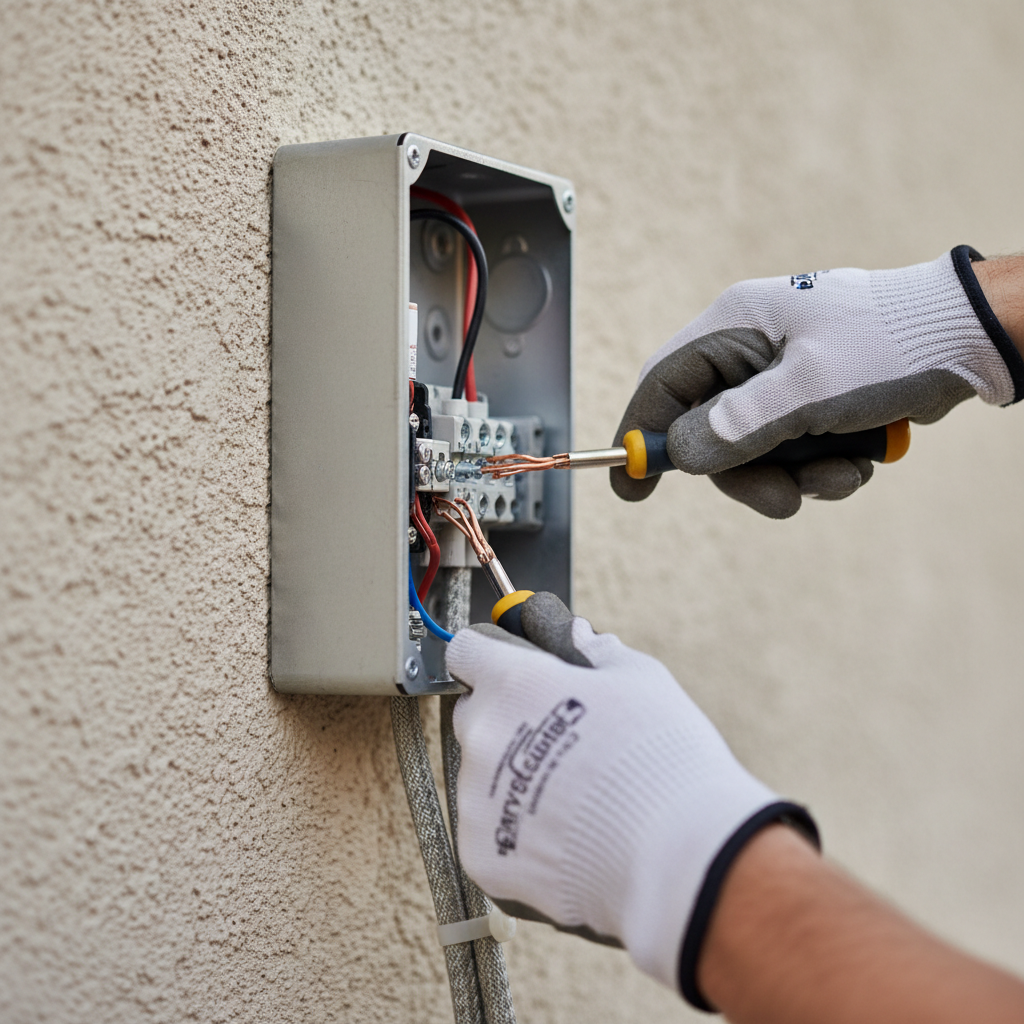
- Installation: Panels and inverters are installed, usually taking one to three days.
- Inspection and Connection: The system is inspected and connected to the grid.
Maintenance and Upkeep
Solar panels require minimal maintenance, making them a hassle-free investment. Regular cleaning to remove dirt and debris will ensure optimal performance. Additionally, most systems come with warranties, providing peace of mind for years to come.
Maximizing Solar Efficiency
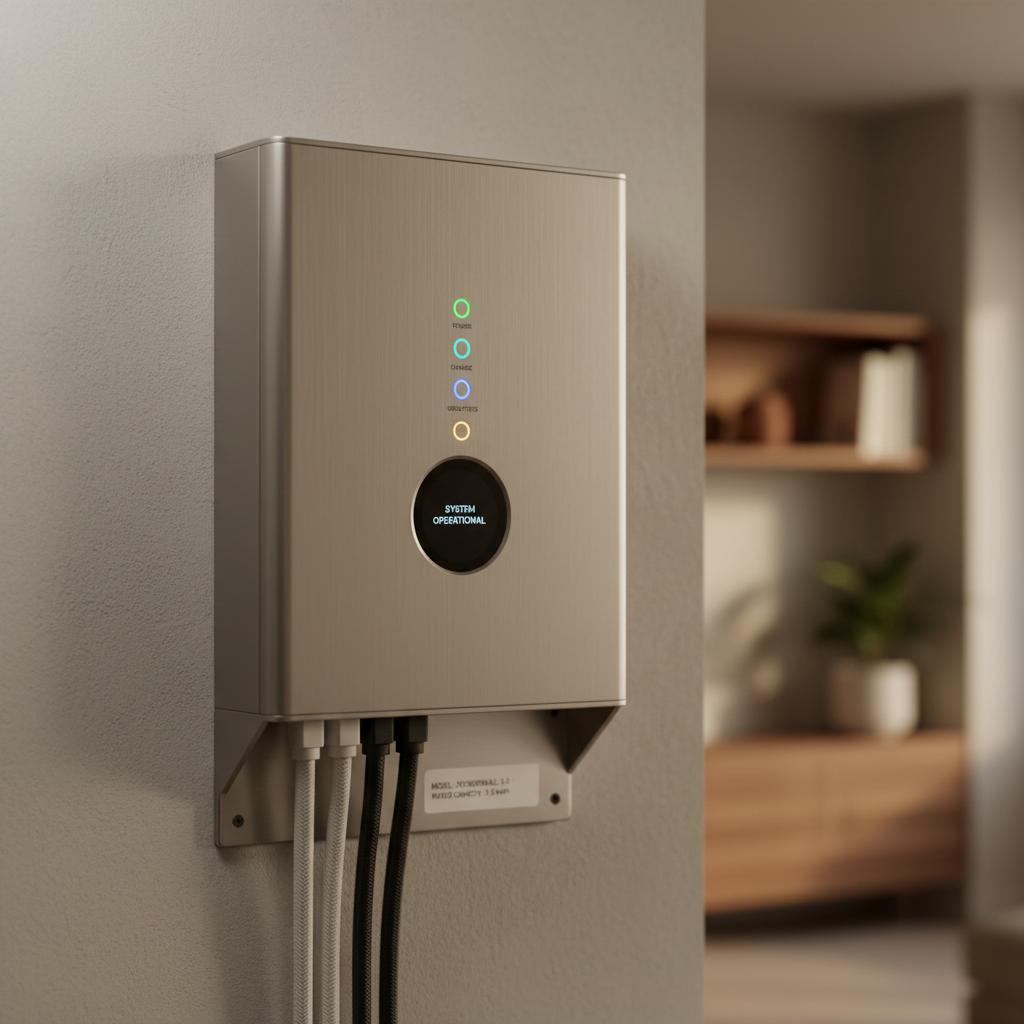
To get the most out of your solar system, consider integrating energy storage solutions like batteries. These allow you to store excess energy for use during cloudy days or at night. Additionally, smart home technologies can help you monitor and manage your energy consumption more effectively.
Conclusion
Investing in solar energy is a forward-thinking decision that offers financial savings, environmental benefits, and energy independence. By understanding the basics, benefits, and installation process, you can make an informed choice about powering your home with solar energy. Embrace the future of energy and transform your home into a sustainable powerhouse.