The Ultimate Guide to Choosing Solar Panels for Your Home


Understanding Solar Panel Types
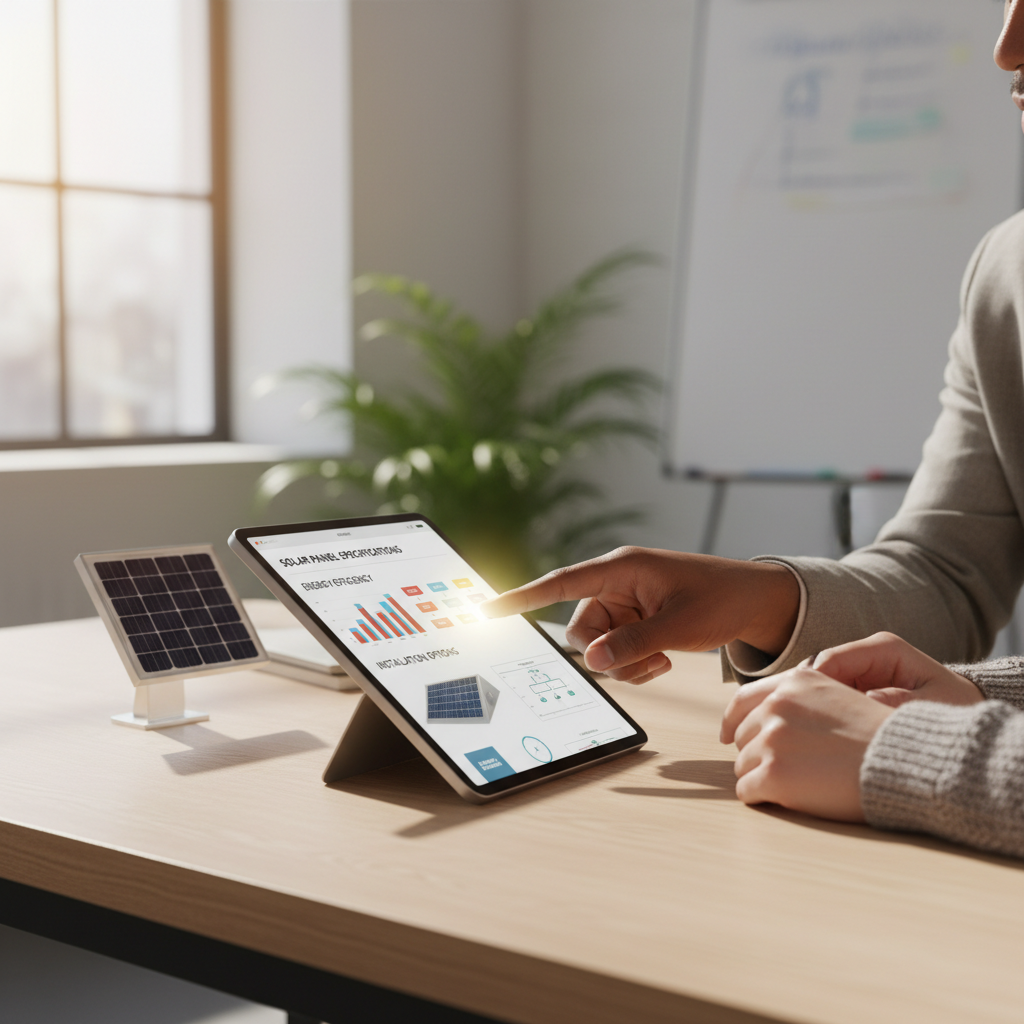
When considering solar panels for your home, it's essential to understand the different types available. The most common types are monocrystalline, polycrystalline, and thin-film panels. Monocrystalline panels are known for their efficiency and longevity, while polycrystalline panels offer a balance between cost and performance. Thin-film panels, although less efficient, are lightweight and flexible, making them ideal for specific installations.
Evaluating Your Energy Needs
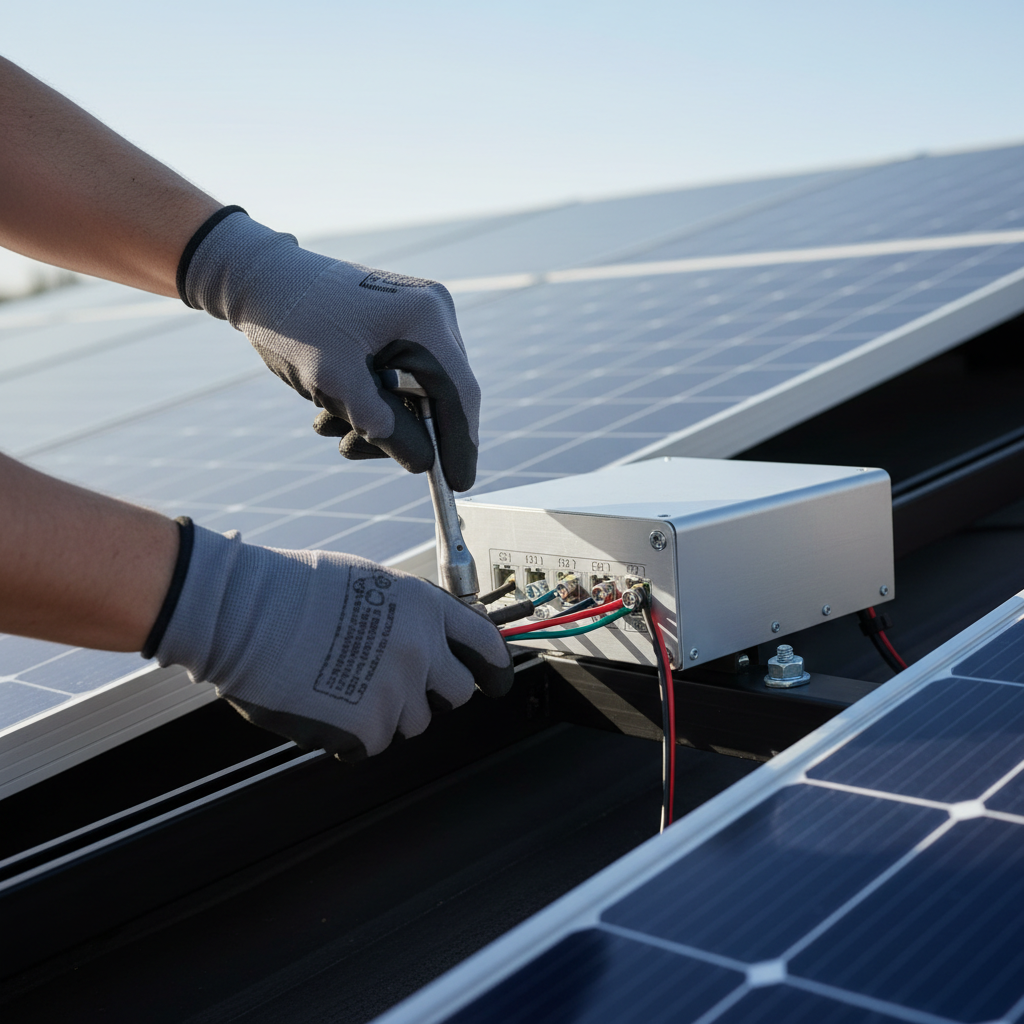
Before installing solar panels, assess your home's energy requirements. Review your electricity bills to determine your average consumption. This will help you size your solar panel system accurately. Consider factors like the number of appliances, family size, and any future energy needs to ensure your system is neither too small nor too large.
Considering Your Roof's Suitability
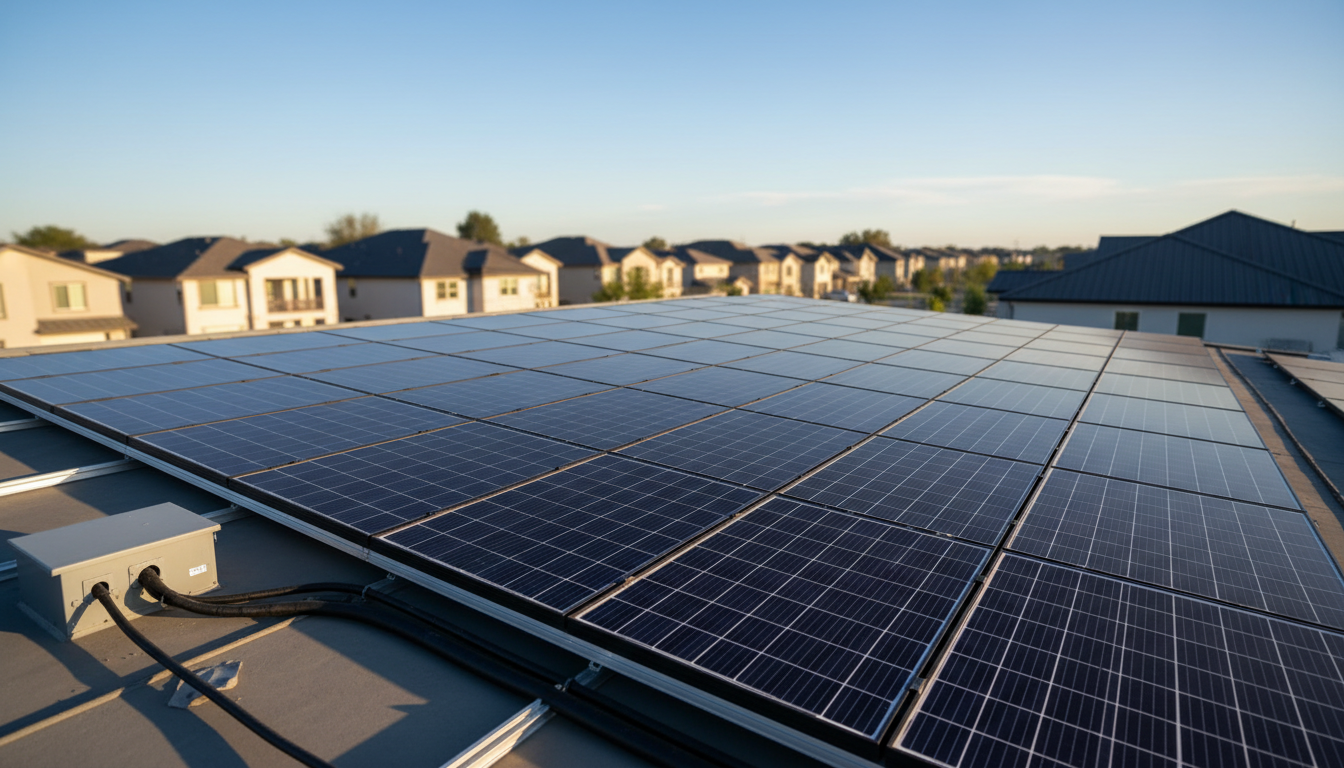
Your roof's condition, orientation, and angle significantly impact solar panel efficiency. Ideally, your roof should face south and have a pitch between 15 to 40 degrees. Ensure there are no obstructions like trees or buildings casting shadows. It's also wise to inspect your roof's condition to handle the installation without needing immediate repairs.
Budgeting for Solar Installation
The cost of solar panel installation varies based on the type and size of the system, installation complexity, and regional factors. It's essential to set a realistic budget that includes equipment, installation, and potential maintenance costs. Investigate available incentives and rebates that can offset initial expenses.
Choosing a Reputable Solar Installer
Selecting a trustworthy solar installer is crucial for a smooth and efficient installation process. Look for companies with strong customer reviews and industry certifications. Request quotes from multiple installers to compare prices and services. A reliable installer will offer a comprehensive warranty and excellent customer service.
Understanding Warranties and Maintenance
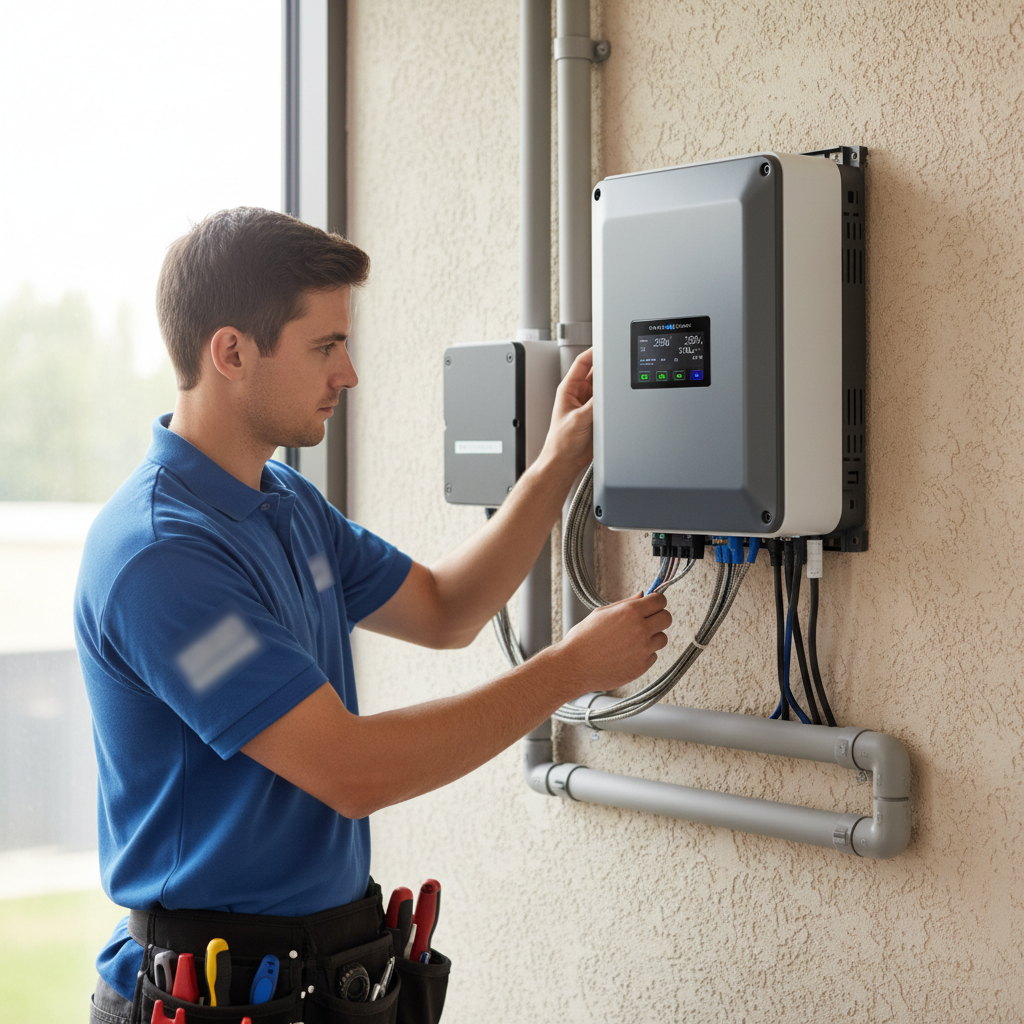
Solar panels generally come with warranties that cover performance and product defects. Typical warranties range from 10 to 25 years. Be sure to understand what is covered and any maintenance requirements. Regular cleaning and occasional inspections are usually necessary to ensure optimal performance.
Exploring Financing Options
Several financing options are available for solar panel systems, including purchasing, leasing, and power purchase agreements (PPAs). Each option has its pros and cons, depending on your financial situation and long-term goals. Consider consulting a financial advisor to choose the best option for your needs.
Assessing Environmental Impact
Installing solar panels significantly reduces your carbon footprint, contributing to a more sustainable future. By choosing renewable energy, you're helping decrease reliance on fossil fuels and minimizing harmful emissions. This eco-friendly choice not only benefits your home but also the planet.