Solar Energy Trends: What's Next for Home Power Solutions


The Rise of Smart Solar Technology
The integration of smart technology in solar energy systems is transforming the way homeowners harness and manage power. With the advent of smart inverters and energy management software, users can now optimize energy consumption in real-time. These advancements not only enhance efficiency but also provide detailed insights into energy usage patterns, paving the way for more sustainable living.
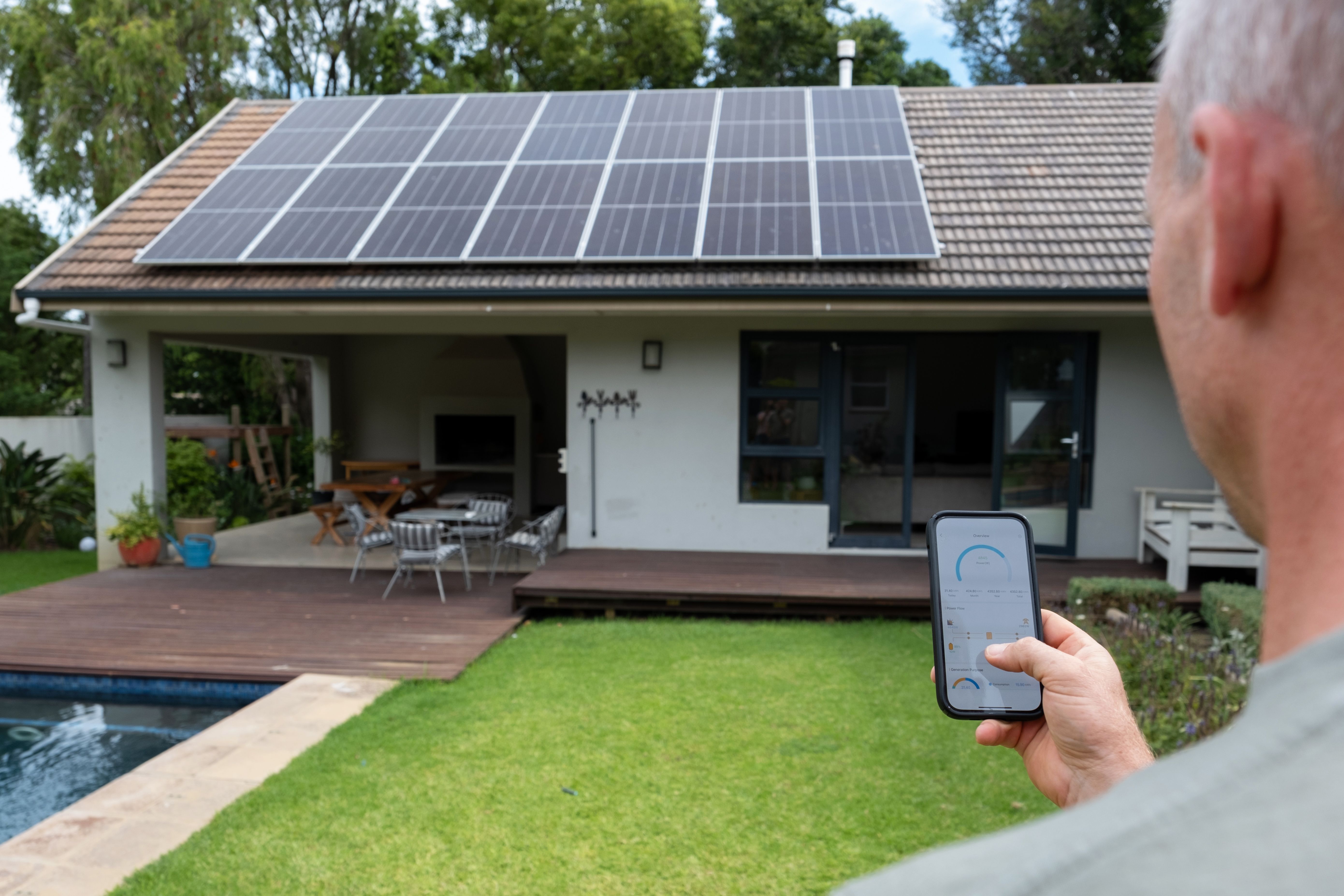
Smart solar panels are equipped with microinverters that allow for maximum power point tracking (MPPT) at the individual panel level. This technology ensures that each panel operates at its optimal efficiency, even if others are shaded or dirty. As a result, homeowners can achieve greater energy yields, making solar energy more viable and attractive.
Energy Storage Innovations
As solar technology advances, so do energy storage solutions. Modern battery systems are becoming more affordable and efficient, making it easier for homeowners to store solar energy for use during peak demand times or at night. The development of lithium-ion and solid-state batteries has been particularly promising, offering longer lifespans and higher energy densities.
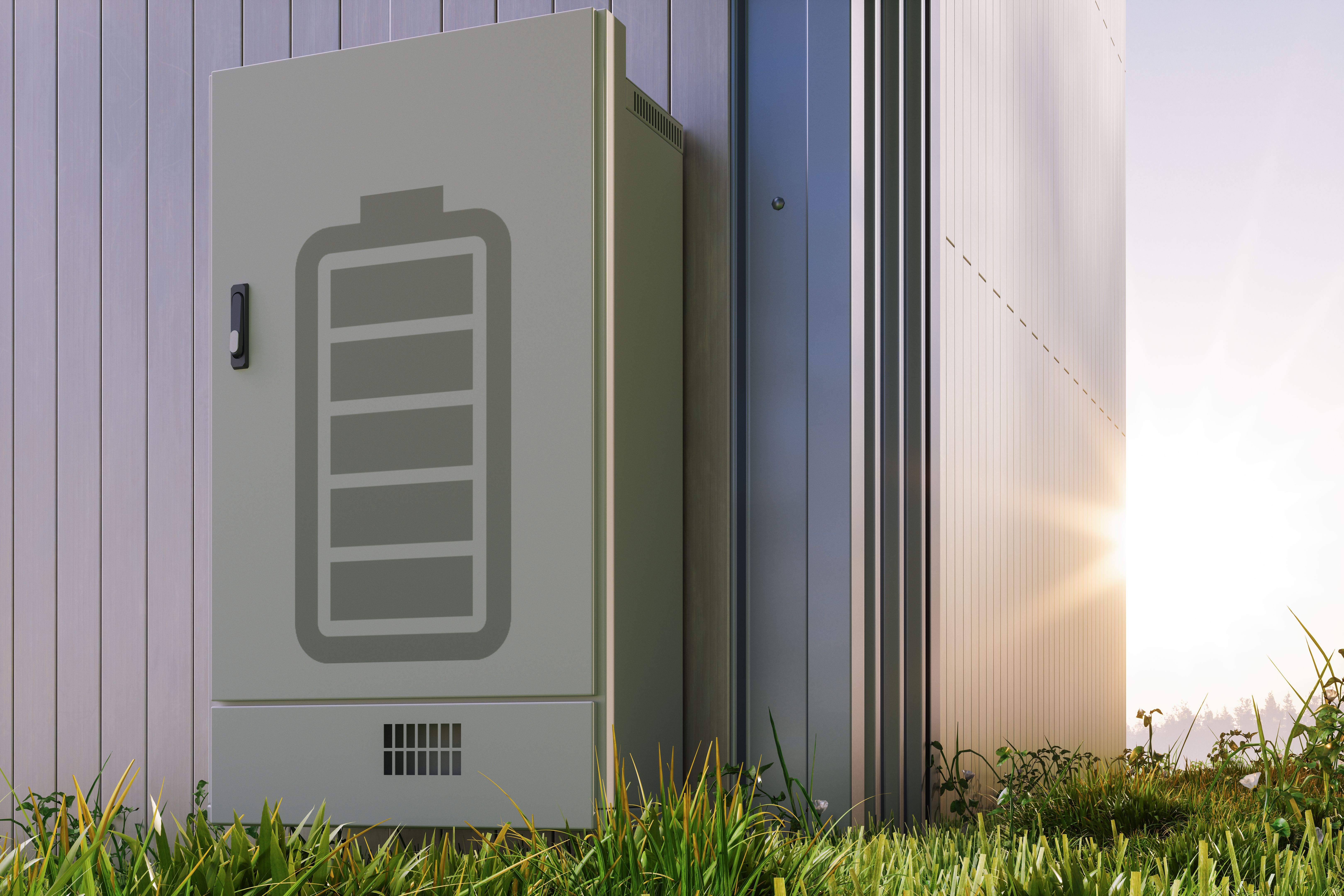
These innovative storage solutions enable homeowners to become less reliant on the grid, enhancing energy independence. Moreover, with the integration of smart grids, excess energy stored can be sold back to the grid, providing a financial incentive alongside environmental benefits.
Integration with Home Automation
The future of solar energy is closely linked with home automation systems. By integrating solar power with smart home devices, homeowners can create a seamless energy ecosystem. This integration allows for automated energy management, where appliances can operate during peak solar production times to maximize efficiency.
Home automation systems can be programmed to prioritize energy usage based on real-time solar production data. For example, electric vehicles can be charged during the day when solar generation is at its peak, further reducing reliance on fossil fuels. This synergy between solar power and smart devices offers a glimpse into a highly efficient and sustainable future.

Government Incentives and Policies
Government incentives continue to play a crucial role in the adoption of solar energy solutions. Tax credits, rebates, and favorable policies are encouraging more homeowners to consider solar installations. These incentives are designed to offset the initial installation costs, making solar energy more accessible to a broader audience.
Furthermore, policies promoting net metering and renewable energy credits are empowering homeowners to make financially sound decisions when switching to solar energy. As governments worldwide strive to meet climate goals, these supportive measures are expected to expand, driving further adoption of solar technology.
The Future of Solar Energy
Looking ahead, the solar energy industry is poised for significant growth. Innovations in technology, combined with favorable economic and policy conditions, are setting the stage for widespread adoption of solar power solutions. As more homeowners embrace solar energy, the cumulative impact on the environment and energy independence will be profound.
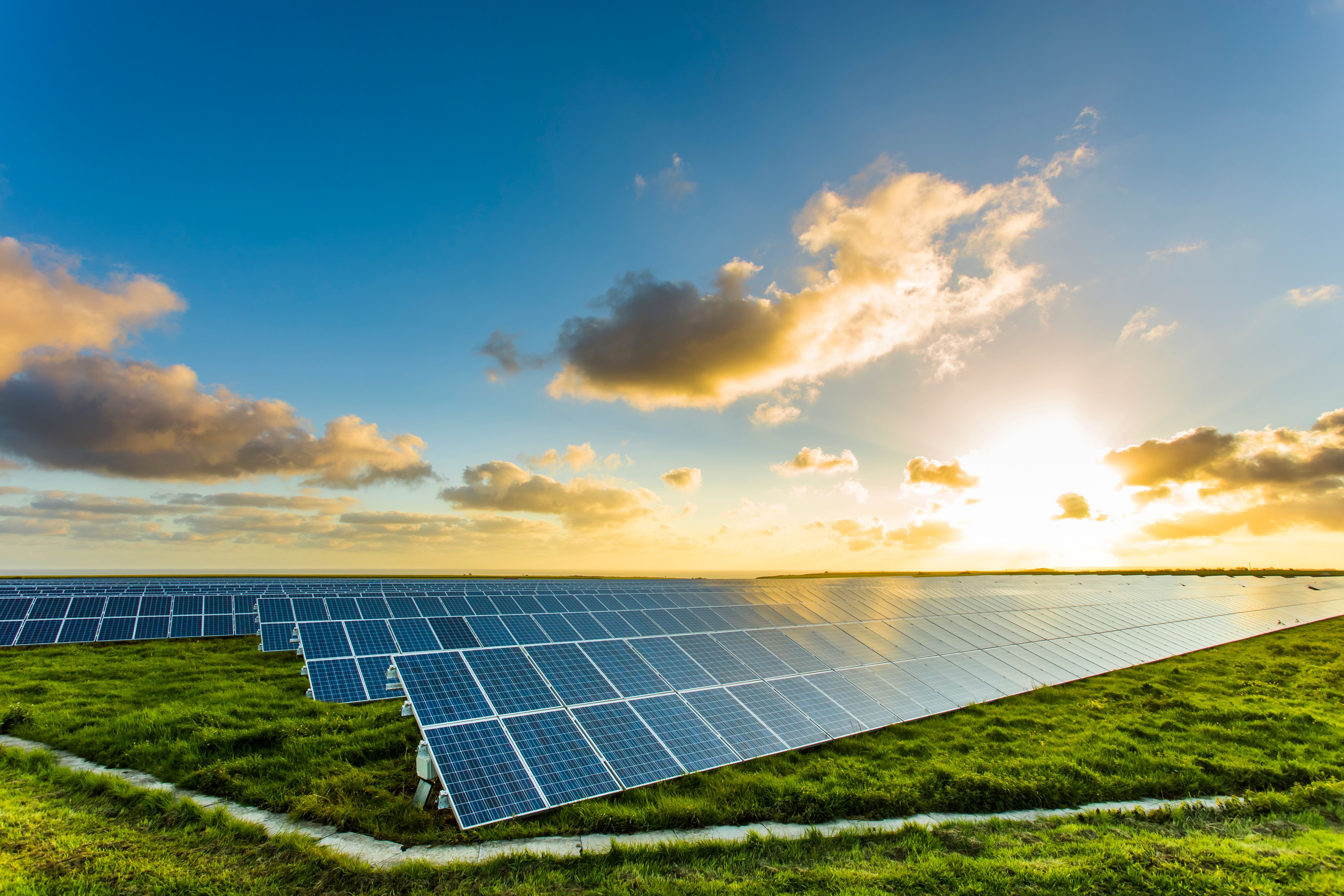
The continual evolution of solar technology promises a future where clean, renewable energy is the norm in households worldwide. By staying informed about these trends and advancements, homeowners can make informed decisions that contribute to a sustainable future.