How to Prepare Your Home for Solar Installation: A Step-by-Step Guide


Assess Your Home's Suitability for Solar
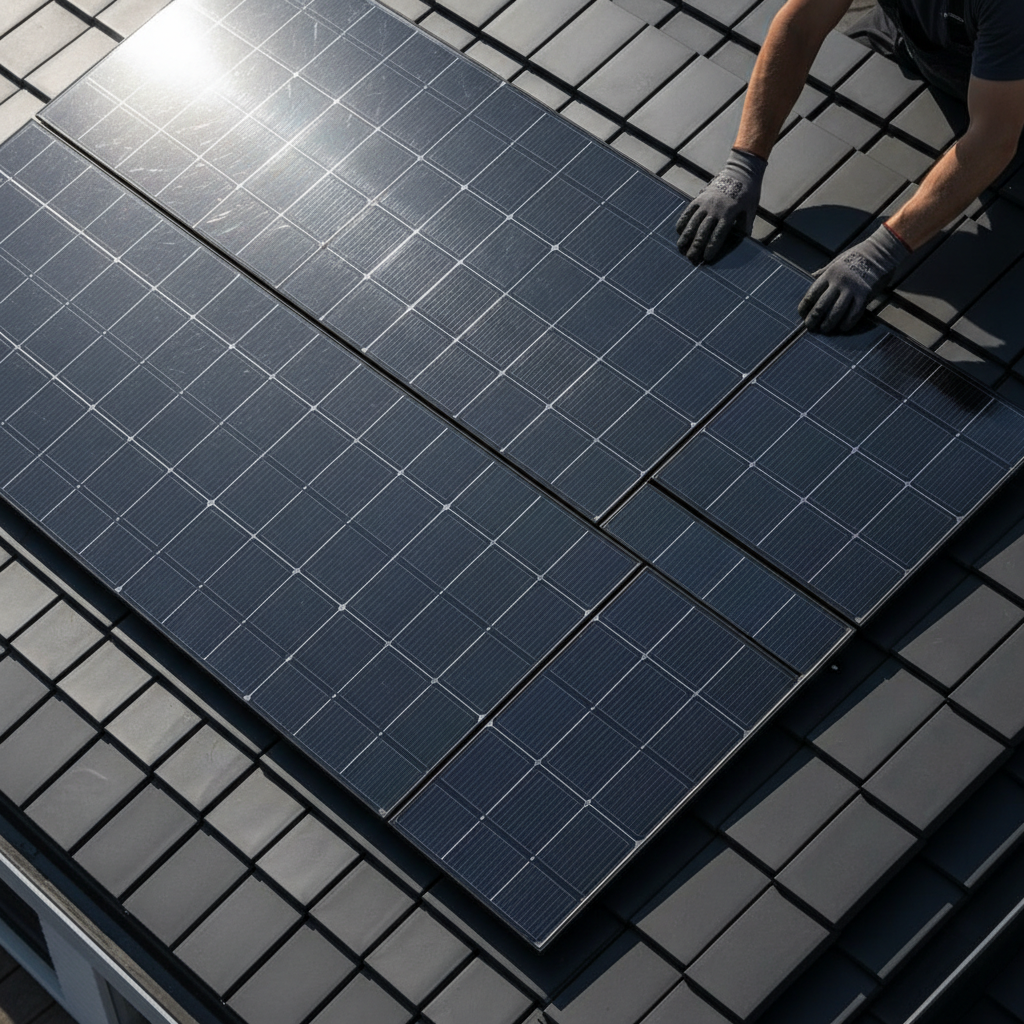
Before diving into solar installation, it's crucial to determine if your home is suitable for solar panels. Begin by evaluating your roof's condition. A roof in good shape with at least 15-20 years of life left is ideal. Check for shade from nearby trees or buildings, as excessive shade can reduce the efficiency of solar panels.
Understand Your Energy Needs
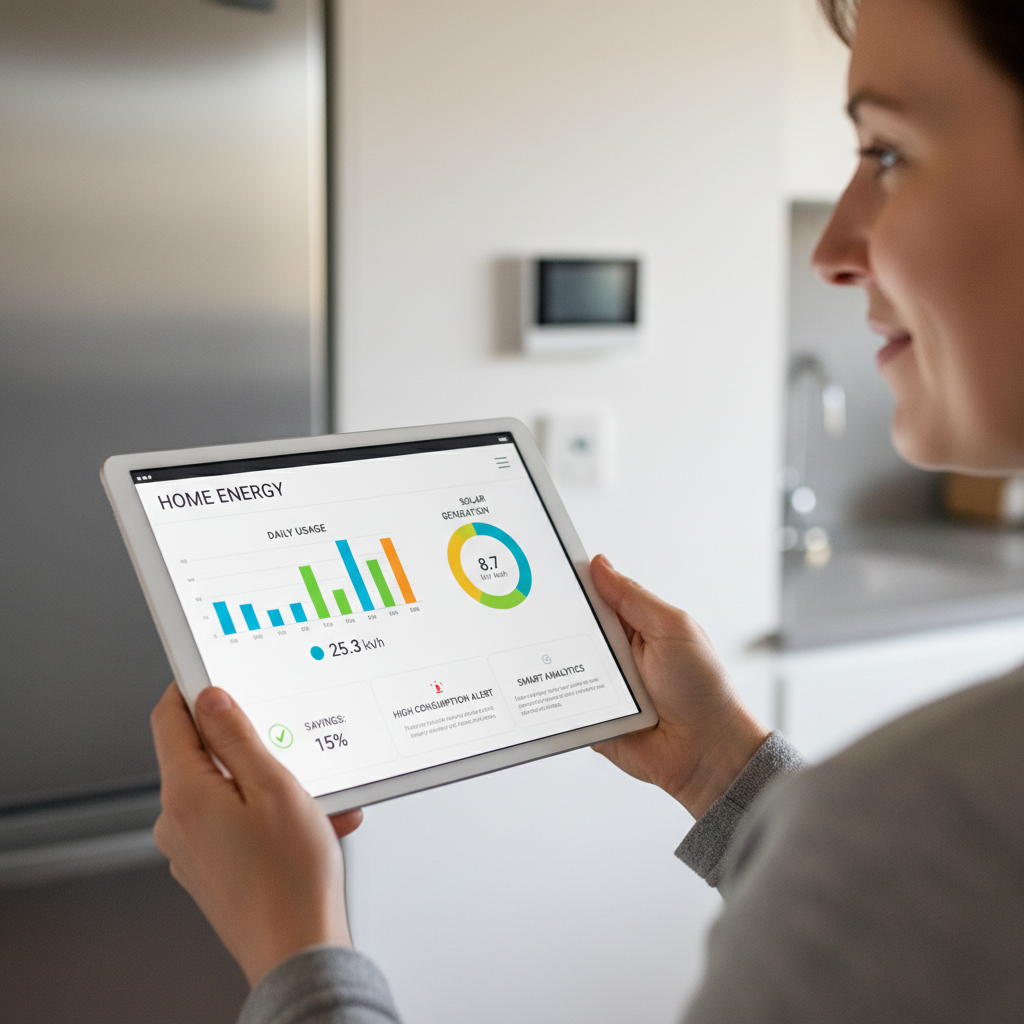
Understanding your energy consumption is key to optimizing your solar investment. Review your electricity bills to analyze your current usage. This data will help you and your installer determine the number of panels you'll need to meet or exceed your energy requirements.
Calculate Your Potential Savings
Once you understand your energy needs, you can calculate potential savings. With solar power, you can significantly reduce or even eliminate your electricity bills. Consider the long-term benefits and financial incentives such as tax credits and rebates that can offset installation costs.
Choose the Right Solar Installer
Choosing a reputable solar installer is crucial to ensure a smooth installation process. Research potential companies, read reviews, and ask for recommendations from friends or family who have installed solar systems. A professional installer will conduct a site assessment and provide a detailed proposal, including costs and expected savings.
Get Necessary Permits
Your installer will help you acquire the necessary permits and approvals required for solar installation. This process can vary depending on your location, so it's essential to understand the local regulations and timelines. Ensure all paperwork is completed before installation begins.
Prepare for Installation Day
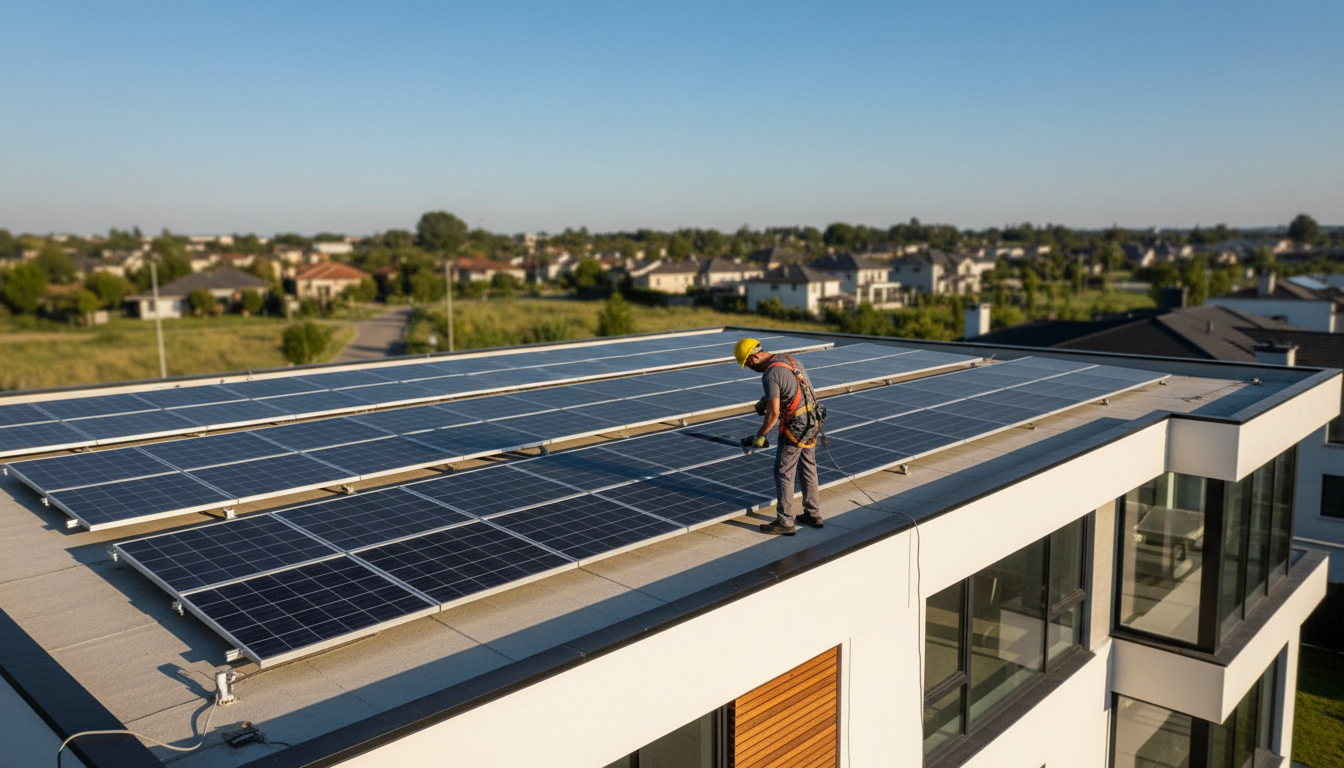
On installation day, clear the area around your home to provide easy access for the installation team. Ensure your driveway is accessible for equipment and personnel. It's also a good idea to inform your neighbors about the installation to avoid any disruptions.
Post-Installation Considerations
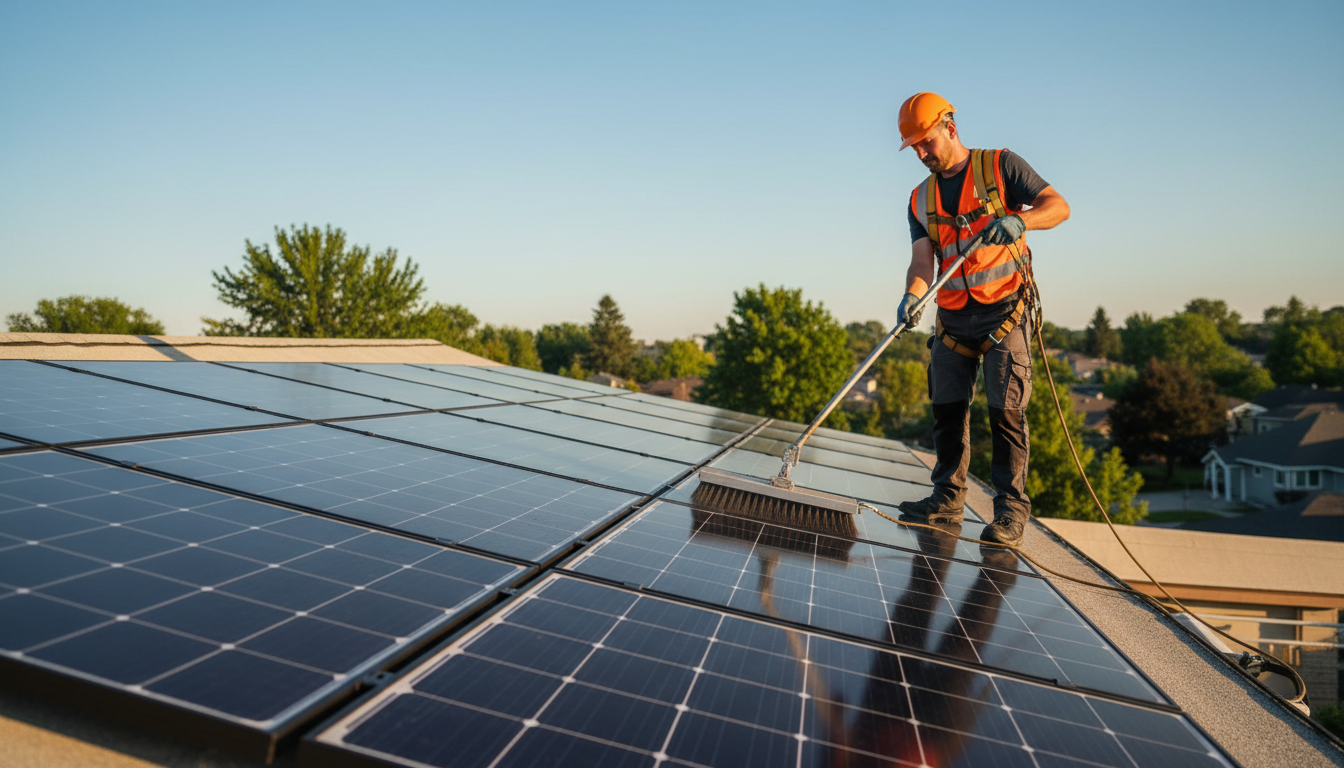
Once your solar panels are installed, there are a few steps to ensure they operate efficiently. Regular maintenance, such as cleaning the panels and monitoring their performance, is essential. Most systems come with a monitoring app, allowing you to track energy production and usage.
Connect to the Grid
After installation, your solar system must be connected to the electrical grid. This process involves testing and inspection by a utility company representative. Once approved, your system will be operational, and you'll start generating clean energy.
Enjoy the Benefits of Solar Energy
With your system up and running, you can enjoy the benefits of renewable energy. Solar power not only reduces your carbon footprint but also increases your home's value. Enjoy peace of mind knowing you're contributing to a sustainable future.