How to Choose the Right Solar Energy System for Your Home


Understanding Your Energy Needs
Before choosing a solar energy system for your home, it is essential to understand your specific energy requirements. Start by reviewing your electricity bills from the past year to determine your average monthly usage. This information will help you determine the size of the solar system you need.

Consider Your Roof's Condition and Orientation
The condition and orientation of your roof significantly impact the efficiency of a solar energy system. A roof that faces south and has minimal shading tends to be ideal. Additionally, ensure your roof is in good condition and can support the weight of the solar panels.
Types of Solar Panels
There are several types of solar panels available, including monocrystalline, polycrystalline, and thin-film. Each type has its advantages and disadvantages. Monocrystalline panels are known for their high efficiency and sleek appearance, while polycrystalline panels are more cost-effective. Thin-film panels are lightweight and flexible, making them suitable for specific applications.
Evaluating Costs and Incentives
Cost is a crucial factor when choosing a solar energy system. While the initial investment can be significant, various incentives and rebates are available to reduce costs. Research federal, state, and local incentives that can make solar energy more affordable.
Choosing the Right Installer
Selecting a reputable solar installer is vital for a successful installation. Look for companies with positive reviews, relevant certifications, and extensive experience. Request quotes from multiple installers to compare prices and services. A good installer will also assist with permits and inspections.
Understanding Warranties and Maintenance
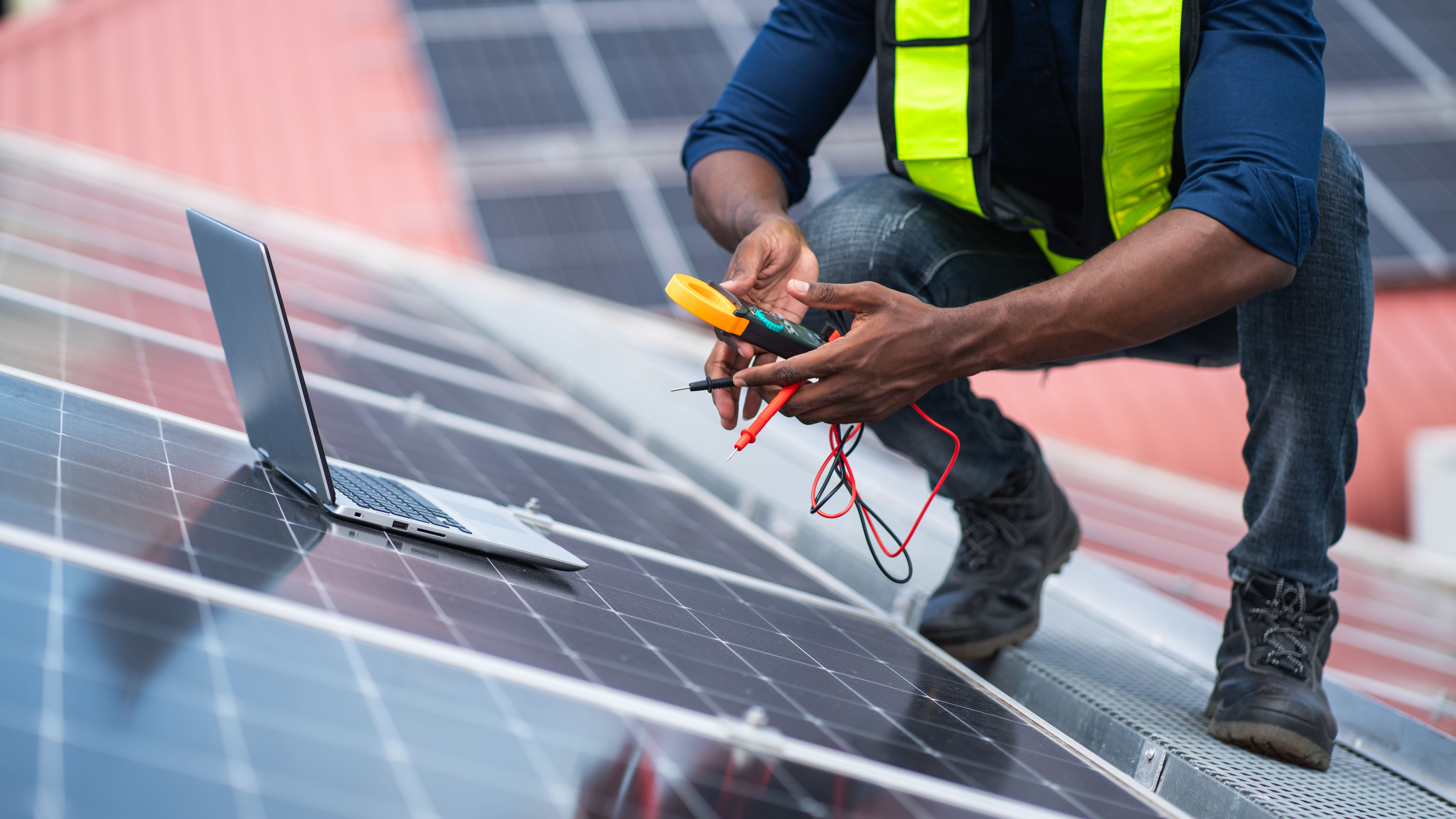
Warranties are an essential aspect of any solar energy system. They provide peace of mind by covering potential issues with the panels and installation. Additionally, consider the maintenance requirements of your chosen system. Regular cleaning and inspections can help maintain efficiency.
Exploring Financing Options
If the upfront cost of solar panels is a concern, explore various financing options. Many companies offer solar loans, leases, or power purchase agreements (PPAs), allowing you to go solar with little to no initial investment. Analyze each option to determine which best suits your financial situation.
Monitoring Your System's Performance
Once your solar energy system is installed, monitoring its performance is essential to ensure it operates efficiently. Many systems come with monitoring software that allows you to track energy production and consumption. This data can help you optimize your energy use and identify any issues promptly.
Choosing the right solar energy system for your home involves careful consideration of various factors. By understanding your energy needs, evaluating your roof's suitability, and exploring different panel types, you can make an informed decision. Additionally, understanding costs, incentives, and financing options will help make solar energy a viable and sustainable choice for your home.