How to Choose the Best Solar Panels for Your Needs


Understanding Solar Panel Types
When choosing solar panels for your home or business, it's crucial to understand the different types available. The three main types are monocrystalline, polycrystalline, and thin-film solar panels. Monocrystalline panels are made from a single crystal structure and are known for their high efficiency and sleek appearance. Polycrystalline panels, on the other hand, are made from multiple silicon crystals, making them less efficient but more affordable. Thin-film panels are lightweight and flexible but generally offer lower efficiency.
Efficiency and Performance
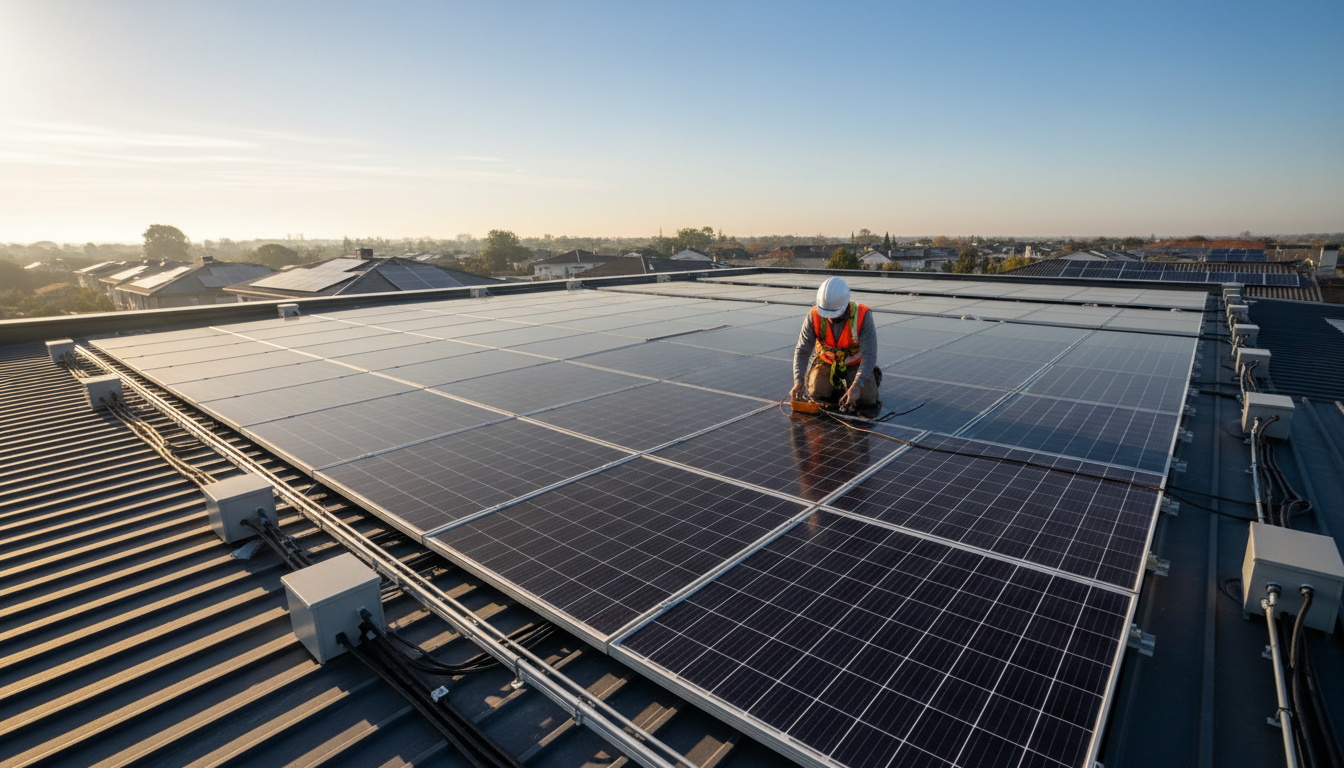
Solar panel efficiency refers to the amount of sunlight converted into usable electricity. Higher efficiency panels generate more power in less space, which is ideal if you have limited roof area. Monocrystalline panels are typically the most efficient, followed by polycrystalline and thin-film options. Consider your energy needs and available space when evaluating efficiency.
Assessing Your Energy Needs
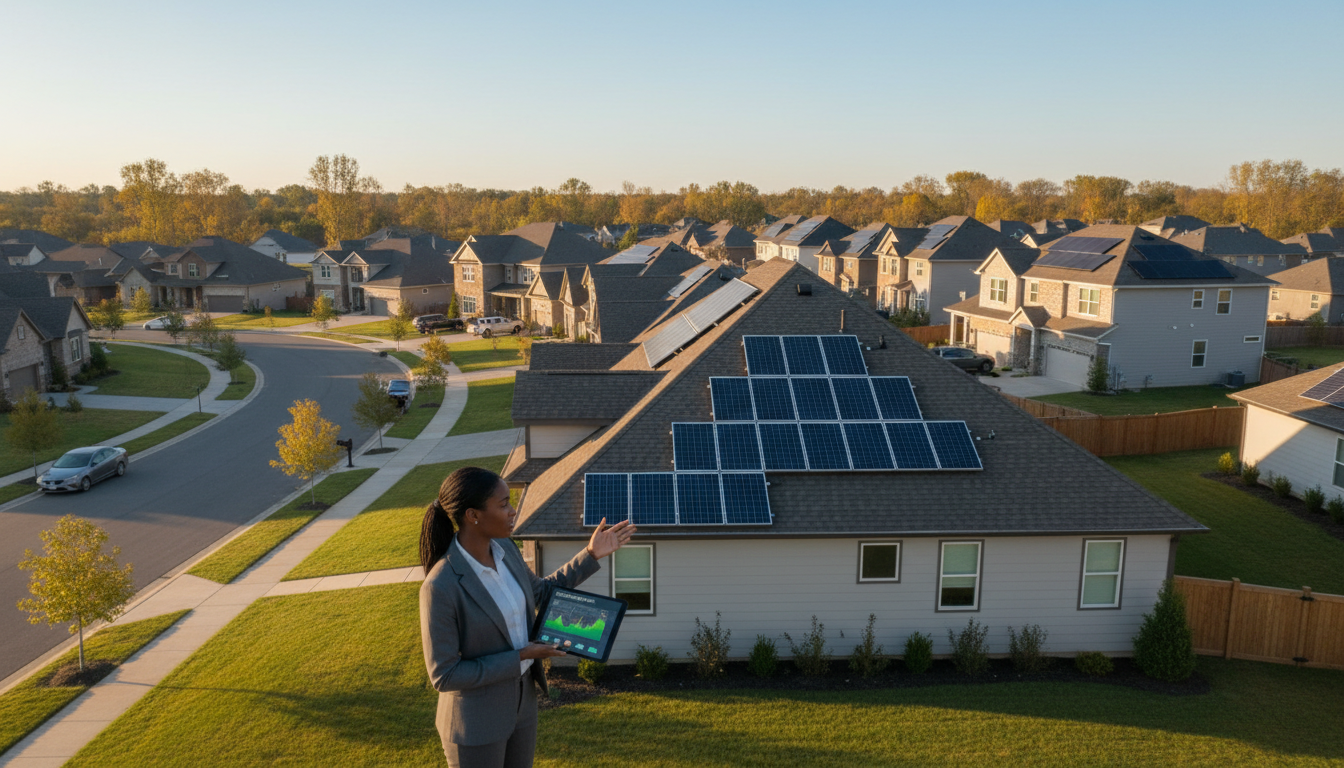
Before purchasing solar panels, assess your energy requirements. Calculate your average energy consumption by reviewing past electricity bills. This information will help you determine the number of panels needed. Remember, factors such as climate, roof orientation, and shading can also impact the system's performance.
Cost Considerations
Budget is a crucial factor when selecting solar panels. While monocrystalline panels are more expensive, they offer higher efficiency and longevity, potentially providing better long-term value. Polycrystalline panels are more budget-friendly but offer slightly lower efficiency. Thin-film panels might be the least expensive option upfront but could require more space and may not be as durable.
Durability and Warranty
Solar panels are a long-term investment, so you'll want to choose a product with a robust warranty. Most manufacturers offer warranties ranging from 20 to 25 years. Check for additional performance warranties that guarantee a certain level of efficiency throughout the lifespan. Durability is also critical, especially if you live in an area prone to harsh weather conditions.
Installation and Maintenance
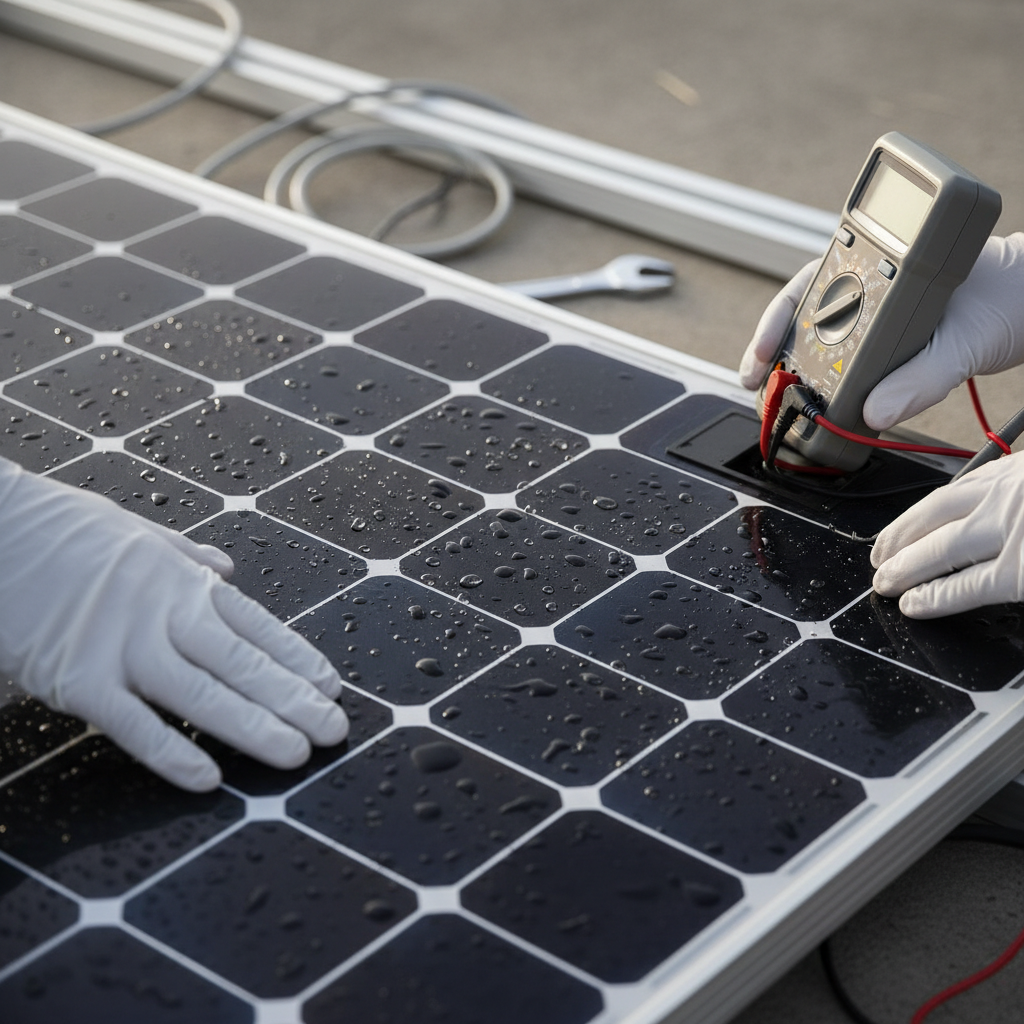
Consider the installation process and ongoing maintenance of your solar panels. Professional installation ensures optimal performance and safety. Some solar panel systems require more maintenance than others, so it's essential to understand the upkeep involved. Regular cleaning and inspections can enhance the longevity and efficiency of your system.
Comparing Brands and Reviews
Researching different brands and reading customer reviews can provide valuable insights into the quality and reliability of solar panels. Look for brands with a strong reputation and positive feedback from users. It's also beneficial to consult with a solar energy expert to get personalized recommendations based on your specific needs and conditions.
Government Incentives and Rebates
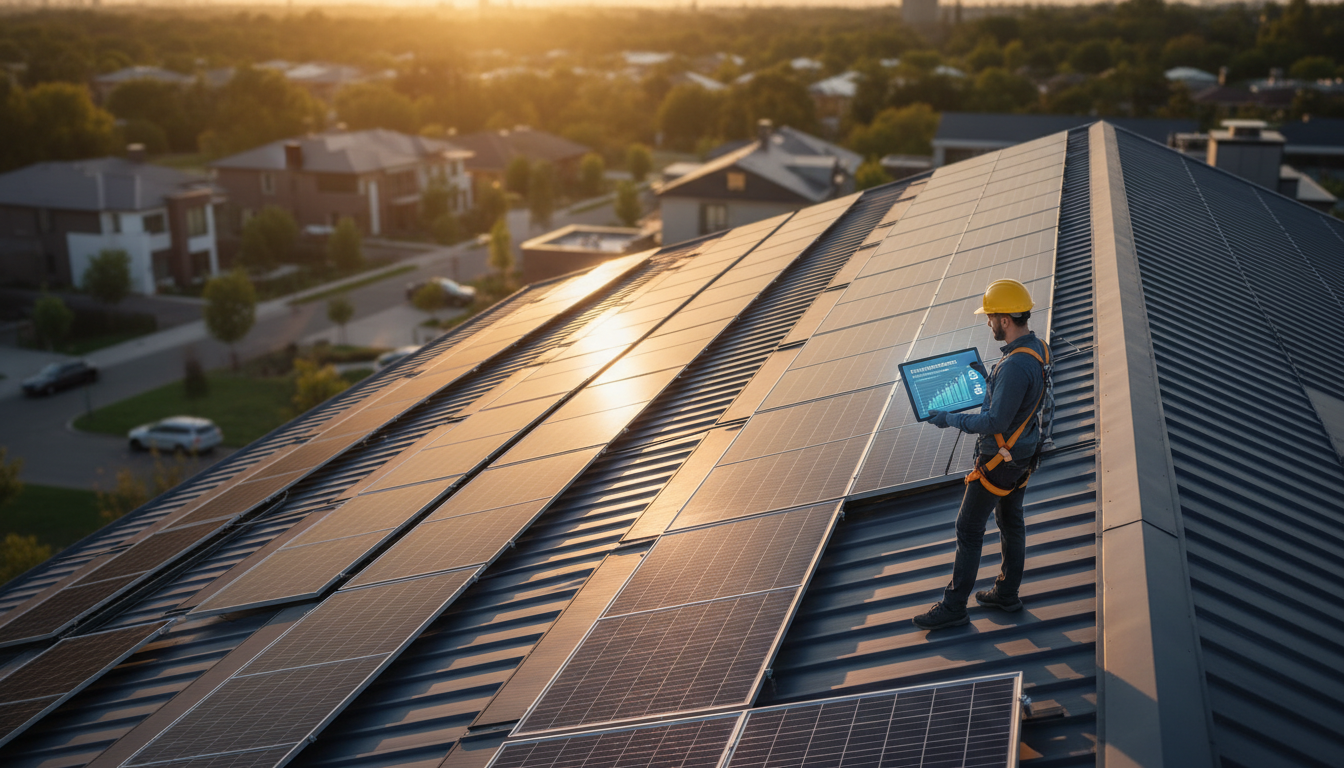
Take advantage of government incentives and rebates available for solar panel installations. These incentives can significantly reduce the initial cost, making solar energy more accessible. Research the programs available in your area and ensure you meet the eligibility criteria to maximize your savings.