How to Choose the Best Solar Panels for Your Home


Understanding Your Energy Needs
Before diving into the world of solar panels, it's crucial to understand your home's energy requirements. Review your past electricity bills to determine your average monthly energy consumption. This information will guide you in selecting solar panels that can meet your home's specific energy demands.

Types of Solar Panels
There are three main types of solar panels: monocrystalline, polycrystalline, and thin-film. Monocrystalline panels are known for their high efficiency and sleek appearance, but they tend to be more expensive. Polycrystalline panels offer a balance between cost and efficiency, making them a popular choice. Thin-film panels are typically less efficient but more affordable and flexible.
Monocrystalline vs. Polycrystalline
When choosing between monocrystalline and polycrystalline, consider your budget and available roof space. If space is limited and budget allows, monocrystalline might be the better option due to its efficiency. However, if you have ample space and a tighter budget, polycrystalline could be a suitable choice.
Efficiency and Performance
Efficiency refers to the amount of sunlight that the solar panel can convert into usable electricity. Higher efficiency panels will produce more energy in a smaller space. Look for panels with higher efficiency ratings if you want to maximize energy production, especially if roof space is limited.
Temperature Coefficient
The temperature coefficient indicates how well a solar panel performs in hot weather. Panels with a lower temperature coefficient are preferable in hot climates, as they will lose less efficiency as temperatures rise.
Warranty and Longevity
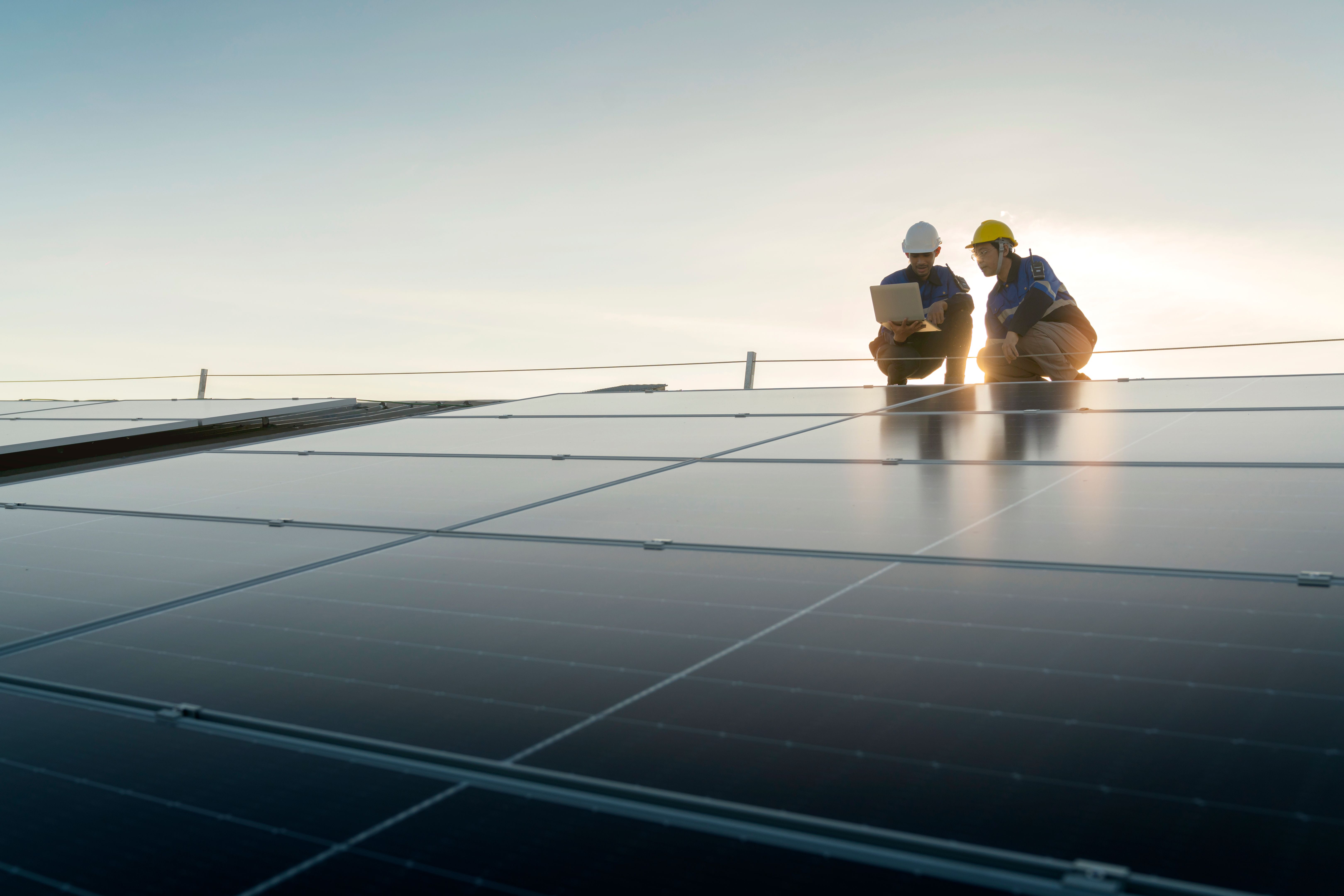
When investing in solar panels, consider the warranty and expected lifespan. Most panels come with a 25-year performance warranty, ensuring they will produce a certain percentage of their original output over time. A panel with a solid warranty and a longer lifespan can provide greater peace of mind and better value.
Cost and Financing Options
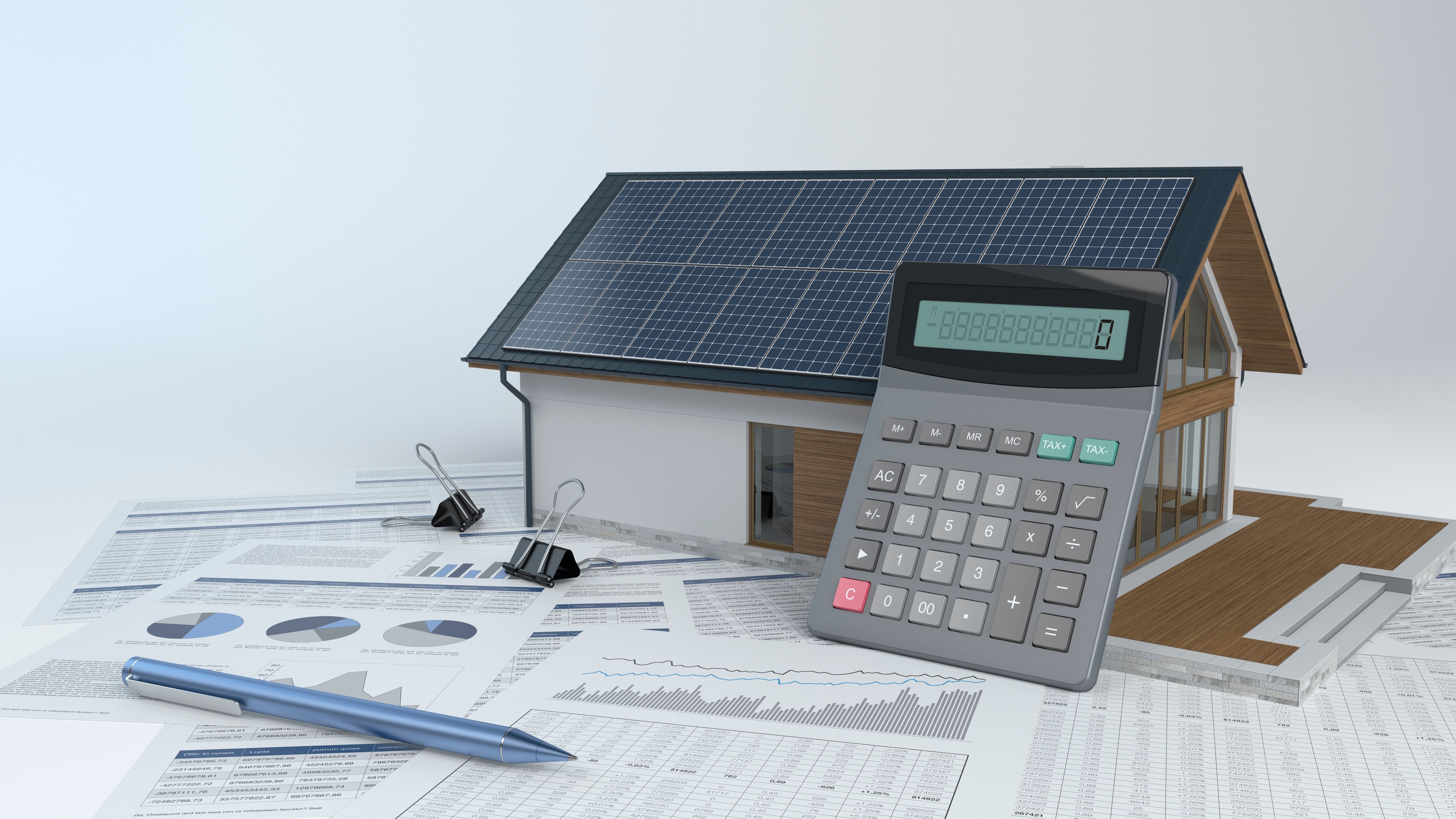
Solar panels can be a significant upfront investment, but various financing options are available. Consider leasing, power purchase agreements (PPAs), or solar loans to make solar energy more accessible. Research state and federal incentives, such as tax credits, to reduce initial costs.
Installation and Maintenance
Choose a reputable solar panel installer to ensure a smooth installation process. Proper installation is crucial for optimal performance. Regular maintenance, such as cleaning panels and checking for damage, will help maintain efficiency and extend the system's lifespan.
By considering these factors, you can make an informed decision and select the best solar panels for your home, ensuring long-term savings and a positive impact on the environment.