How Solar Panels Work: A Step-by-Step Guide


Introduction to Solar Panels
Solar panels are a revolutionary technology that converts sunlight into electricity. This process is not only environmentally friendly but also cost-effective in the long run. Understanding how solar panels work can help you appreciate the science behind harnessing solar energy.

The Photovoltaic Effect
At the heart of solar panels is the photovoltaic (PV) effect. This is the process by which sunlight is converted into electric current. When sunlight hits the semiconductor material in the solar cells, it knocks electrons loose, creating a flow of electricity.
Solar Cells Composition
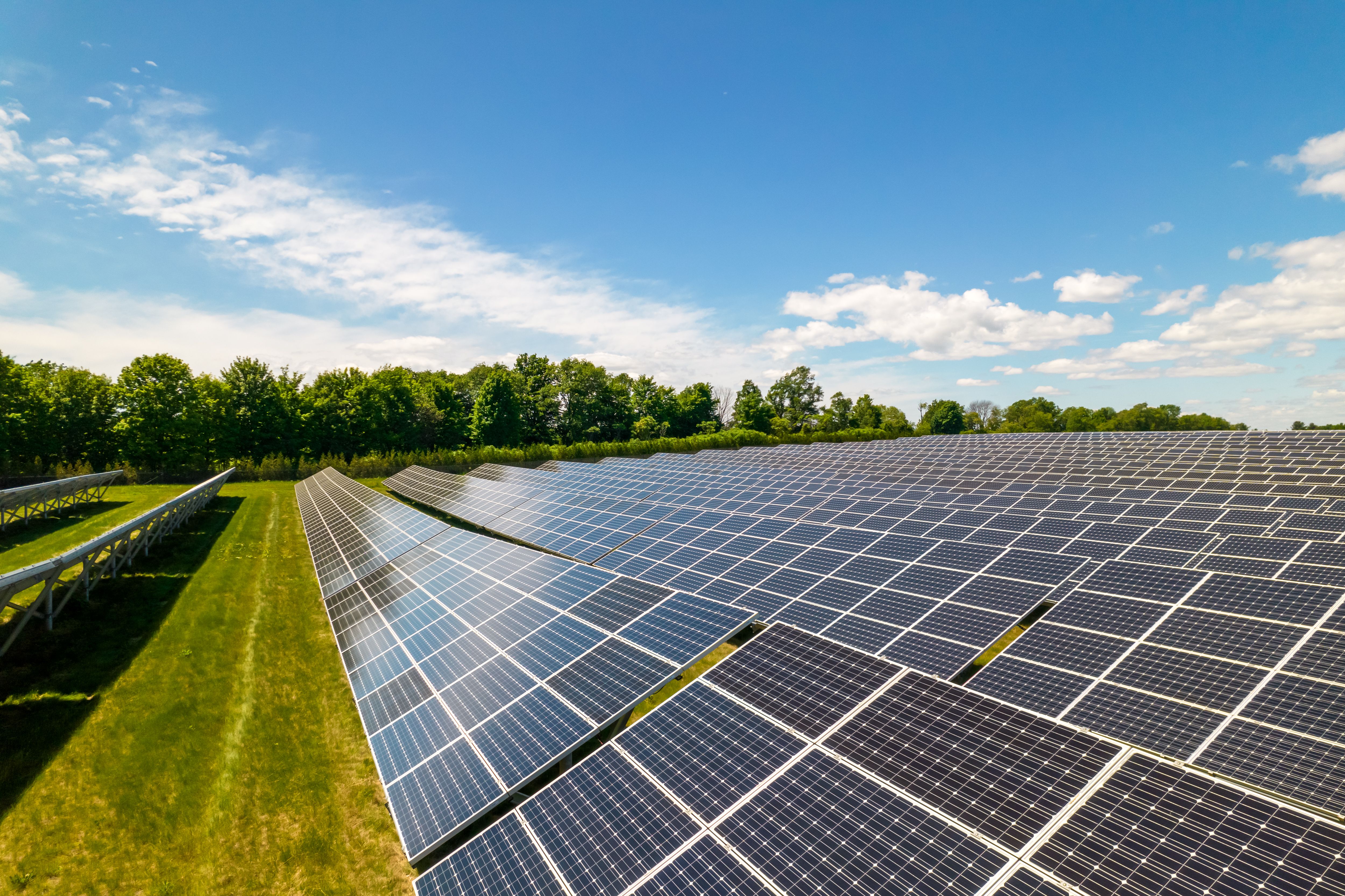
Solar cells are primarily made from silicon, a semiconductor that is abundant and efficient for converting sunlight. These cells are organized into panels, which are then grouped into arrays to increase electricity production.

How Solar Panels Generate Electricity
The process begins when sunlight strikes the solar cells. Here's a step-by-step breakdown:
- Photons from sunlight hit the solar cells, disturbing the electrons.
- Freed electrons flow through the cell, creating an electric current.
- This direct current (DC) is then converted into alternating current (AC) by an inverter.
- The AC electricity is used to power homes and businesses.
The Role of Inverters
Inverters are crucial components in a solar panel system. They convert the DC electricity generated by the panels into AC electricity, which is what most home appliances use.

Benefits of Using Solar Panels
Solar panels offer numerous benefits, including reduced electricity bills and a lower carbon footprint. They provide a sustainable energy solution that can be installed on rooftops, in fields, or even integrated into building materials.
Environmental Impact
By using solar panels, you are contributing to a significant reduction in greenhouse gas emissions. This helps combat climate change and promotes a cleaner, healthier environment for future generations.
Conclusion
Understanding how solar panels work reveals the ingenuity behind this technology. From the conversion of sunlight to electricity to the environmental benefits, solar panels represent a promising solution for sustainable energy. As technology advances, solar energy will continue to play a vital role in our energy landscape.