How Solar Energy Can Save You Money: A Detailed Analysis


Understanding the Basics of Solar Energy
Solar energy has become a buzzword in recent years, but what exactly is it? Simply put, solar energy is the power harnessed from the sun’s rays. It’s a renewable and sustainable source of energy that can be converted into electricity using solar panels. The adoption of solar energy is growing rapidly due to its potential to save money and reduce carbon footprints.
As technology advances, solar panels have become more efficient and affordable. This has made it easier for homeowners and businesses to consider solar energy as a viable alternative to traditional power sources. But how exactly does solar energy translate into cost savings?

Initial Costs and Incentives
One of the primary concerns for those considering solar energy is the initial cost. Solar panel installation can be a significant investment. However, there are numerous financial incentives available, such as tax credits, rebates, and grants. These incentives can substantially reduce the upfront costs, often by as much as 30% or more.
Many regions offer net metering policies, allowing you to sell excess energy back to the grid. This not only offsets the cost of installation but can also generate a passive income stream over time. The combination of these factors makes solar energy a financially attractive option.
Long-term Savings on Energy Bills
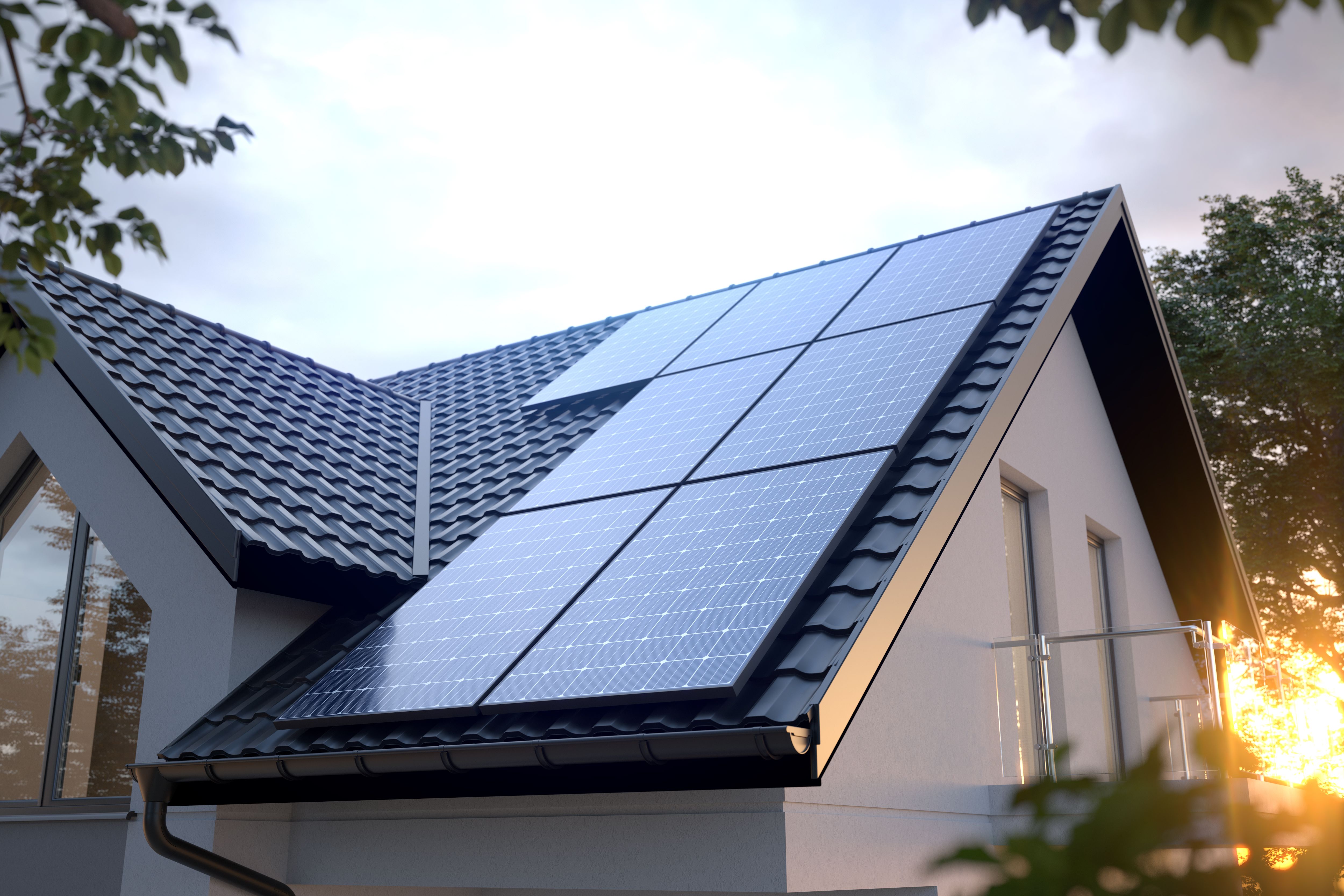
Once installed, solar panels can dramatically reduce your monthly energy bills. Depending on your location and energy consumption, savings can be substantial. Solar panels generate electricity during the day, and any surplus can be stored or sold back to the grid.
Over the lifespan of the solar panels, which typically ranges from 25 to 30 years, the savings on electricity can add up to thousands of dollars. This makes solar energy not just an environmentally friendly choice, but a financially savvy one as well.
Maintenance and Longevity
Another factor contributing to the cost-effectiveness of solar energy is the low maintenance required. Solar panels have no moving parts, which means there’s less wear and tear. Regular cleaning and occasional inspections are generally all that’s needed to keep them operating efficiently.
The longevity of solar panels is a key aspect of their value. Most manufacturers offer warranties ranging from 20 to 25 years, ensuring that they remain a worthwhile investment over time. With minimal maintenance costs, the financial benefits continue long after the initial installation.
Environmental Impact and Future Value
Beyond the immediate financial benefits, investing in solar energy contributes to a healthier planet. By reducing reliance on fossil fuels, solar energy significantly lowers greenhouse gas emissions. This not only helps combat climate change but also promotes a sustainable future.
As the world moves towards greener energy solutions, properties equipped with solar panels may see an increase in value. Potential buyers are increasingly attracted to energy-efficient homes, recognizing the long-term savings and environmental benefits they offer.
Conclusion: A Smart Investment
In summary, solar energy presents a compelling case for saving money. The combination of financial incentives, reduced energy bills, low maintenance costs, and environmental benefits make it a smart investment for both homeowners and businesses.
By adopting solar energy, you’re not only making a positive impact on your finances but also contributing to a more sustainable future. With advancements in technology and increasing affordability, now is the perfect time to consider making the switch to solar energy.