Expert Insights: The Future of Solar Energy and Emerging Technologies


The solar energy sector is undergoing a transformative phase, driven by rapid technological advancements and a global push toward sustainable energy solutions. As we look to the future, understanding emerging technologies and their potential impact is crucial for stakeholders across the energy landscape.
Advancements in Photovoltaic Technology
Photovoltaic (PV) technology has been at the forefront of solar energy innovation. Traditionally dominated by silicon-based solar cells, the industry is witnessing a shift towards more efficient materials. Perovskite solar cells, for example, are emerging as a promising alternative due to their high efficiency and lower production costs.

Investments in research and development are also paving the way for bifacial solar panels, which capture sunlight on both sides, significantly increasing energy yield. These innovations highlight the potential for increased efficiency and reduced costs, making solar energy more accessible and viable for widespread adoption.
Energy Storage Solutions
One of the significant challenges for solar energy has been its intermittent nature. However, advancements in energy storage technologies are addressing this issue. Lithium-ion batteries, currently the most widely used storage solution, are becoming more efficient and affordable, enabling better integration of solar energy into the grid.
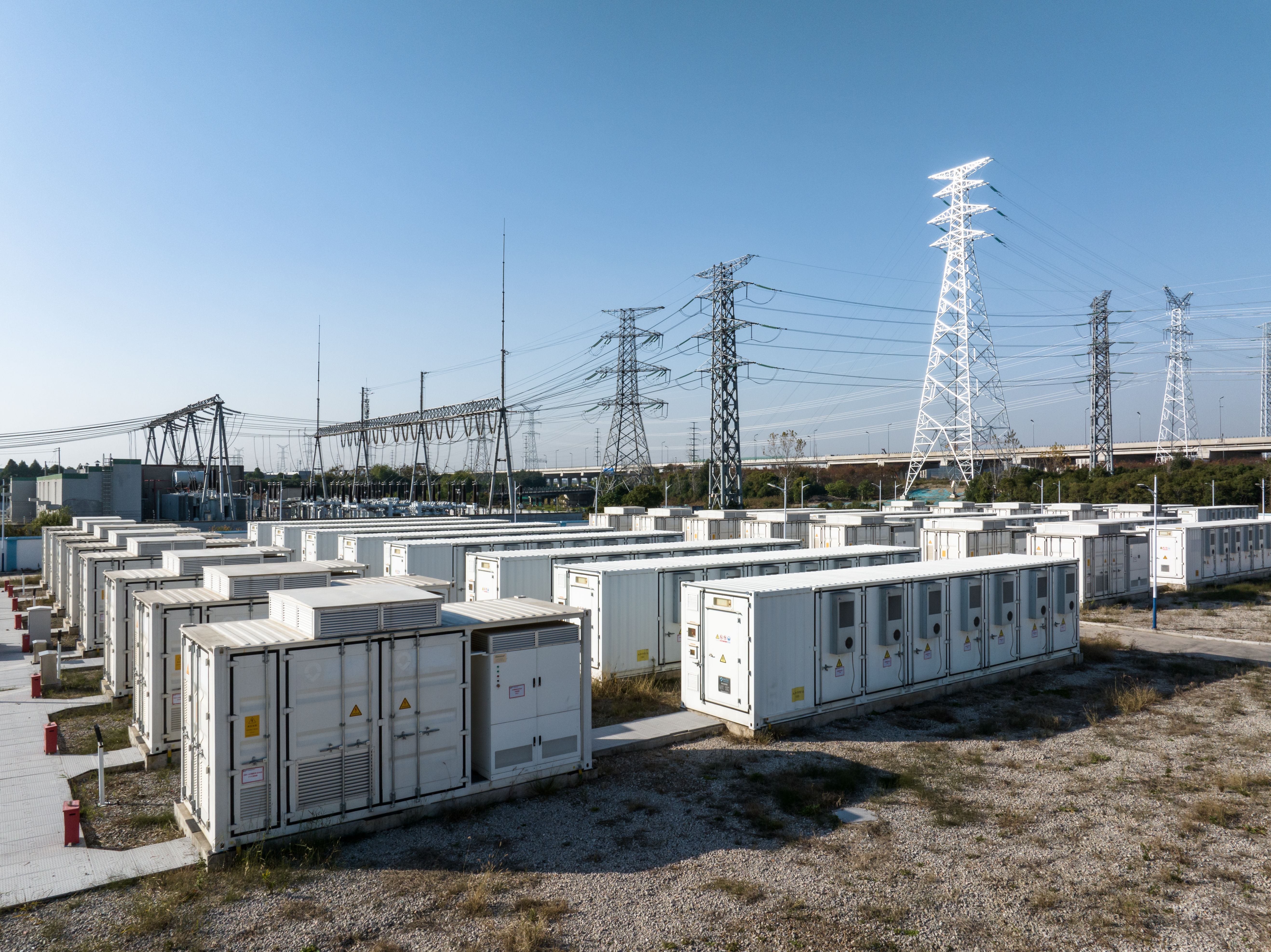
Beyond lithium-ion, alternative storage technologies such as solid-state batteries and flow batteries are gaining attention. These innovations promise longer lifespans and higher safety standards, potentially revolutionizing how solar energy is stored and utilized.
The Role of Artificial Intelligence
Artificial Intelligence (AI) is playing an increasingly vital role in optimizing solar energy systems. AI algorithms can predict energy generation and consumption patterns, enabling smarter grid management and more efficient energy distribution.

Moreover, AI-driven predictive maintenance can enhance the longevity and reliability of solar installations. By analyzing data from sensors and other monitoring devices, AI can identify potential issues before they become significant problems, reducing downtime and maintenance costs.
Emerging Markets and Global Trends
As solar technology becomes more advanced and cost-effective, emerging markets are increasingly adopting solar energy solutions. Countries in Africa, Asia, and Latin America are investing in solar infrastructure to meet growing energy demands sustainably.
Global trends indicate a shift towards decentralized energy systems, where local communities generate and manage their power. This model not only empowers communities but also reduces transmission losses and enhances energy security.
In conclusion, the future of solar energy is bright, driven by technological advancements and a global commitment to sustainability. As new technologies emerge, they hold the promise of making solar power more efficient, affordable, and accessible, paving the way for a cleaner, greener future.