DIY Solar Panel Installation: What You Need to Know


Understanding DIY Solar Panel Installation
As energy costs continue to rise, more homeowners are turning to solar power as a sustainable and cost-effective solution. Installing your own solar panels can be a rewarding project, allowing you to harness the power of the sun while saving on installation costs. However, before diving in, there are several crucial aspects to consider.
Benefits of DIY Solar Panel Installation
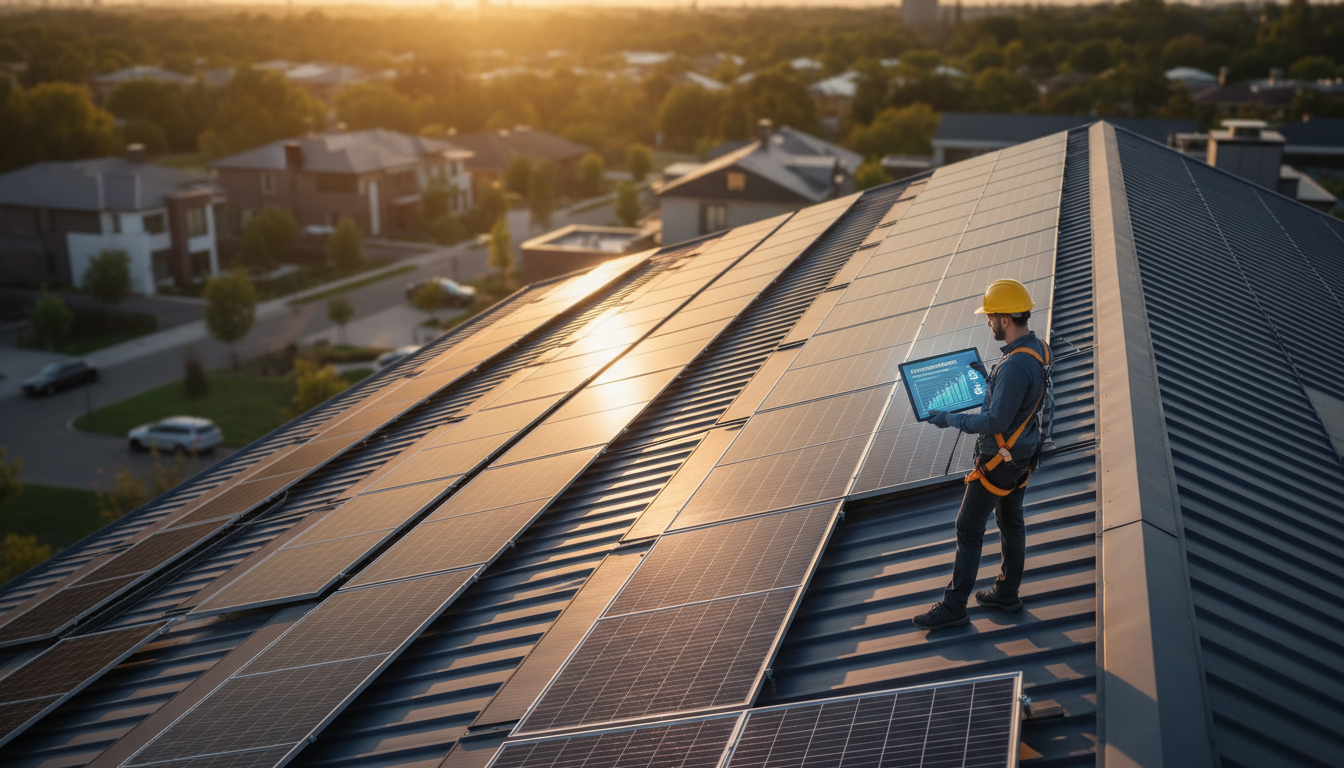
One of the primary advantages of a DIY solar panel installation is the potential savings. By handling the installation yourself, you can significantly reduce labor costs. Additionally, the knowledge gained from the process can be incredibly empowering, giving you a deeper understanding of your home's energy system.
Another benefit is the flexibility in choosing your equipment. You have the freedom to select solar panels and inverters that match your specific needs and budget. This level of customization is often limited when hiring professional installers.
Essential Tools and Materials
Before starting your project, it’s essential to gather the necessary tools and materials. Here’s a basic list to get you started:
- Solar panels
- Inverter
- Mounting hardware
- Wiring and electrical components
- Safety gear
Each component plays a critical role in the efficiency and safety of your solar panel system, so investing in quality materials is key.
Understanding Local Regulations
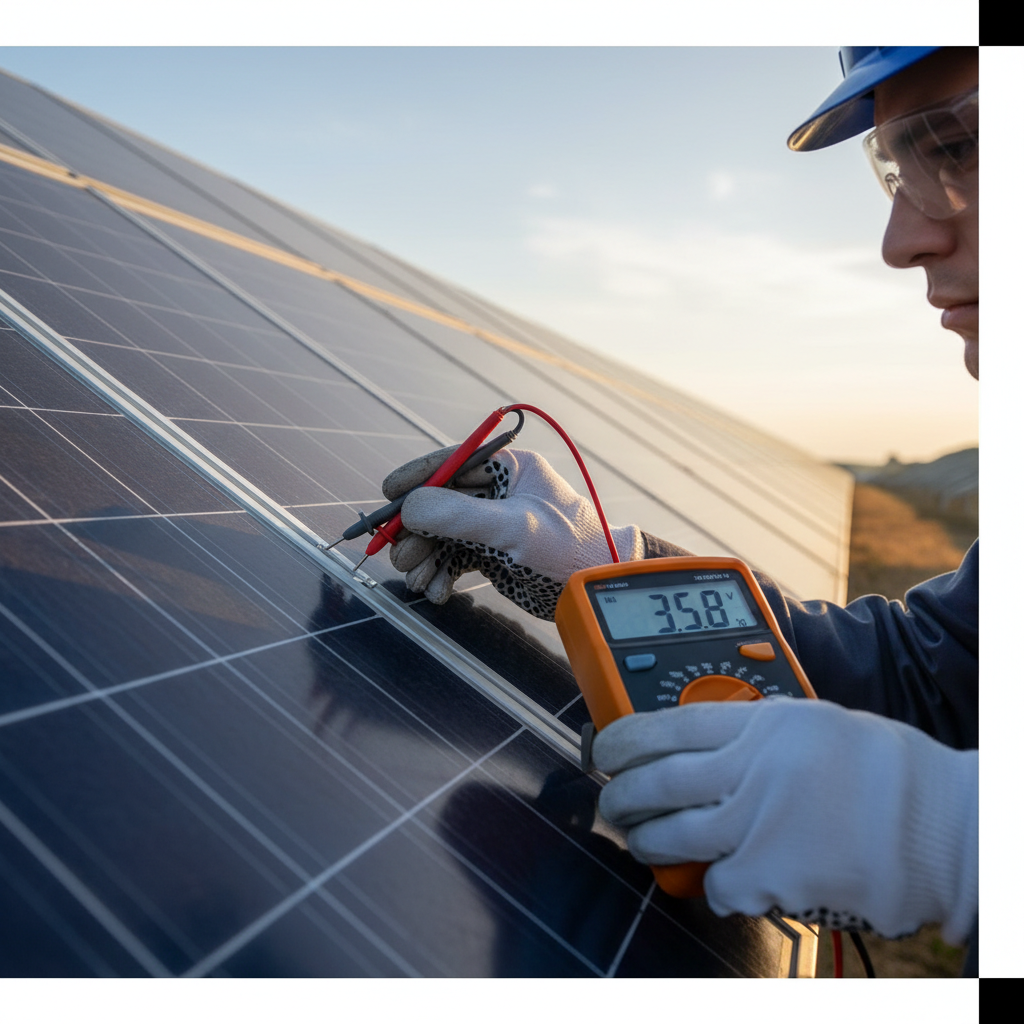
Before installation, it's important to research and understand local regulations and building codes. Many areas require permits for solar panel installation, and failure to comply can result in fines or the need to remove your system. Check with your local government or a certified electrician to ensure you're meeting all legal requirements.
Additionally, some regions offer incentives or rebates for solar installations, which can further reduce your costs. Make sure to explore these opportunities as part of your planning process.
Installation Process Overview
The installation process generally involves several key steps:
- Design your system layout based on your roof space and sunlight exposure.
- Install the mounting hardware securely to your roof.
- Attach the solar panels and connect the wiring to the inverter.
- Connect the inverter to your home's electrical system.
Each step requires careful attention to detail to ensure safety and efficiency. If you’re uncertain at any stage, consulting with a professional can be beneficial.
Final Considerations
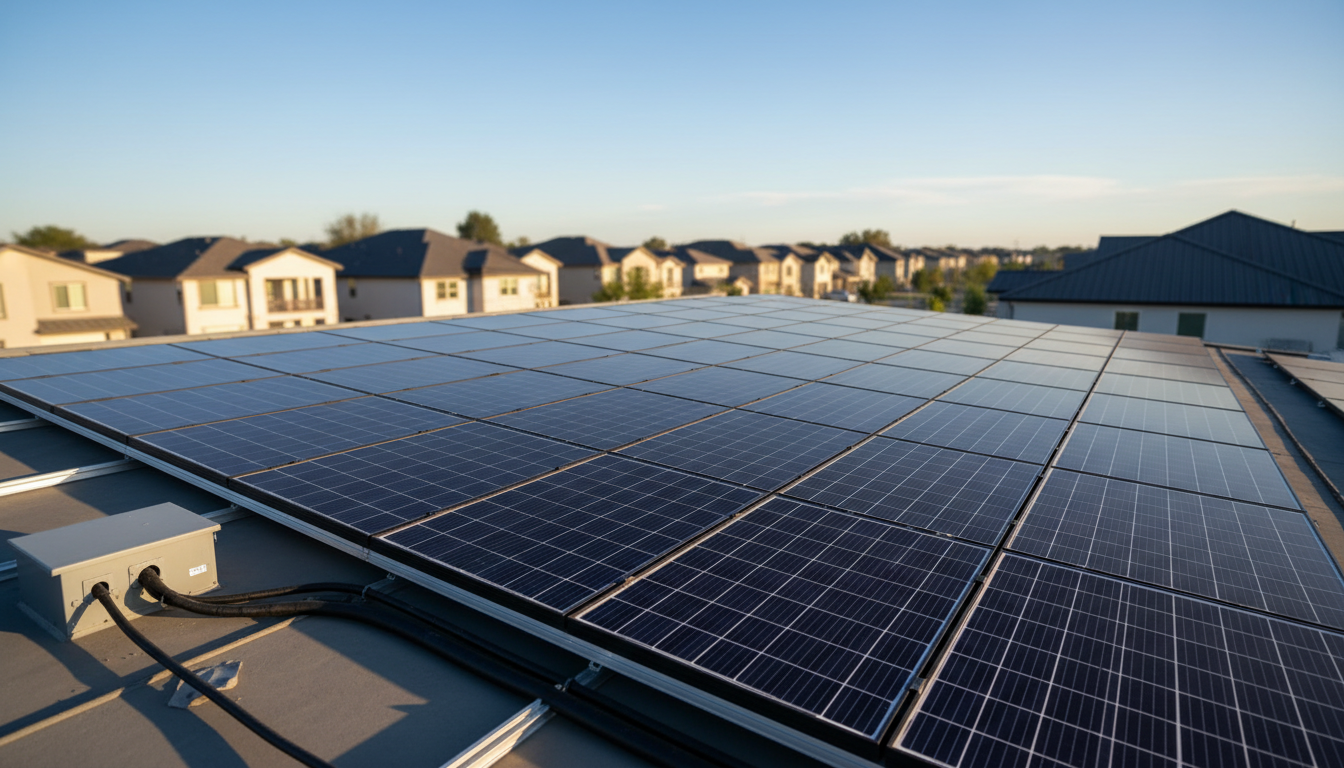
Once your system is installed, regular maintenance is crucial to keep it running smoothly. This includes cleaning the panels and checking connections periodically. Monitoring your system’s output can help you identify any issues early on, ensuring you maximize your energy savings.
While DIY solar panel installation can be a complex project, it offers significant rewards in terms of energy savings and environmental impact. With careful planning and execution, you can successfully power your home with renewable energy.