Debunking Myths: Common Misconceptions About Solar Energy


Introduction to Solar Energy Myths
Solar energy is rapidly becoming one of the most popular sources of renewable energy worldwide. Despite its growing adoption, several myths and misconceptions persist, preventing many from embracing this sustainable option. In this blog post, we'll address some of the most common myths surrounding solar energy and set the record straight.

Myth 1: Solar Panels Don't Work in Cloudy or Cold Climates
One prevalent misconception is that solar panels only work in sunny, warm climates. While it's true that solar panels are most efficient under direct sunlight, they can still generate electricity on cloudy days. In fact, countries with cloudy weather, like Germany, are leading adopters of solar energy. Additionally, solar panels can perform efficiently in cold climates, as they rely on light, not heat, to produce energy.
Myth 2: Solar Energy is Too Expensive
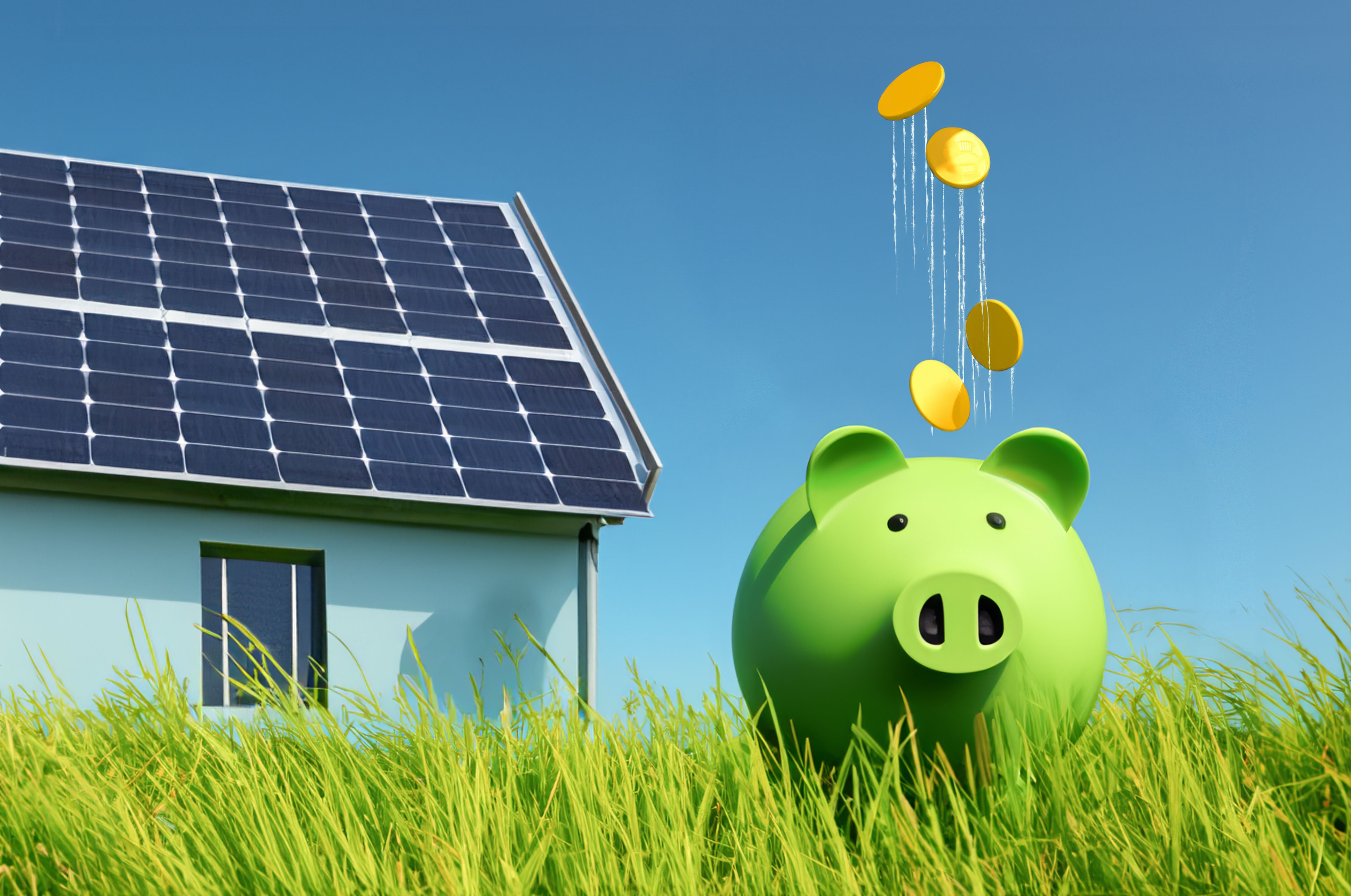
Another common myth is that solar energy is prohibitively expensive. While the initial installation cost can be significant, the long-term savings often outweigh the upfront expense. Many governments offer incentives and rebates to reduce the cost, and the price of solar panels has been steadily decreasing over the years. Moreover, investing in solar energy can increase property value and reduce electricity bills.
Myth 3: Solar Panels Require a Lot of Maintenance
Some people believe that solar panels are high-maintenance. In reality, they require minimal upkeep. Most solar panels come with a warranty of 20-25 years, and their maintenance typically involves periodic cleaning and an annual inspection to ensure optimal performance. Advanced technology and robust materials make solar panels durable and reliable.
Myth 4: Solar Energy Isn't Reliable
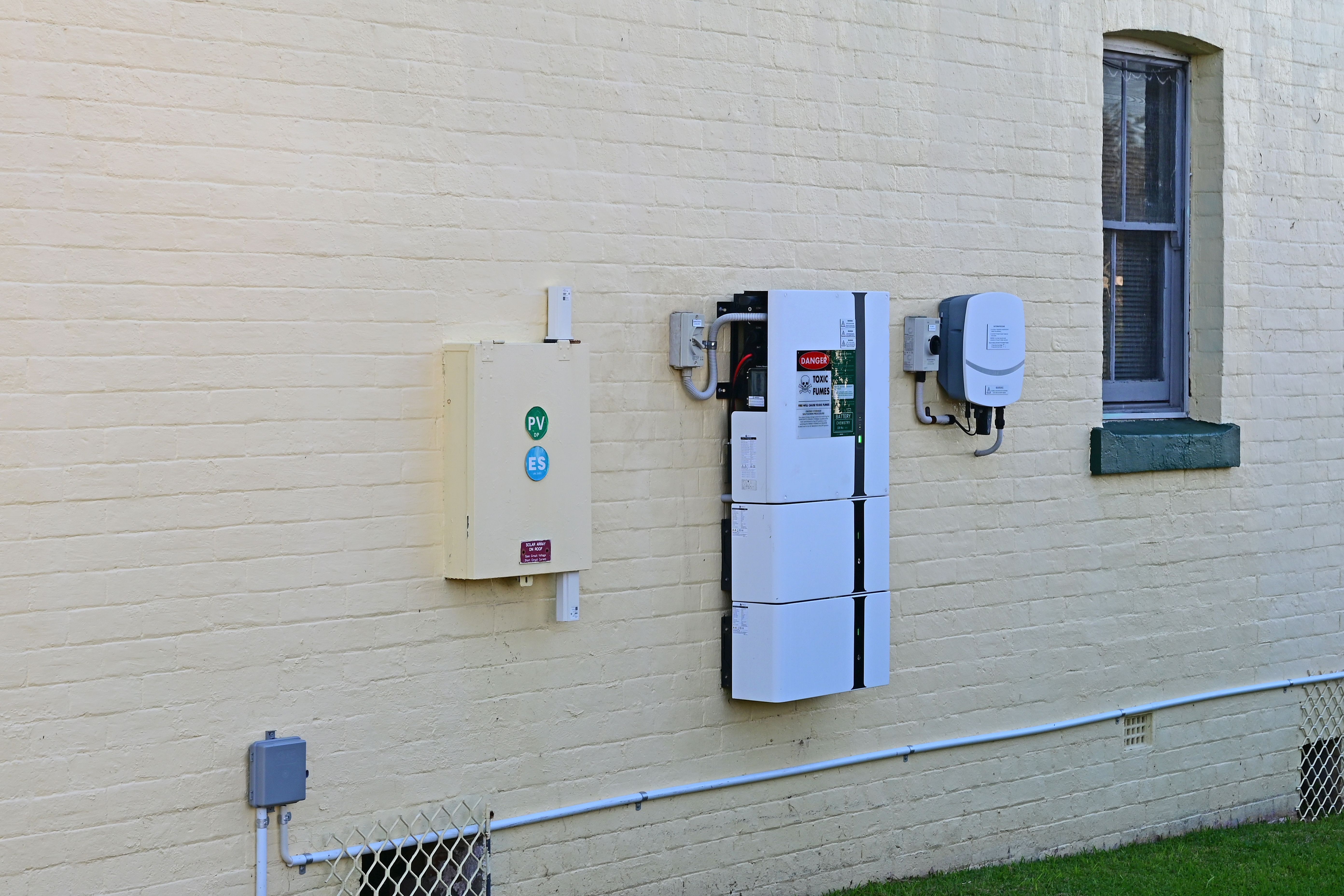
Concerns about the reliability of solar energy often stem from the belief that it can't produce power when the sun isn't shining. However, many solar energy systems are equipped with battery storage solutions that store excess energy generated during the day for use at night or during cloudy periods. Additionally, solar energy can be integrated with the grid, ensuring a consistent power supply.
Myth 5: Solar Panels Are Bad for the Environment
Some argue that the production and disposal of solar panels harm the environment. While the manufacturing process does involve energy use and emissions, the overall environmental impact is significantly lower than that of fossil fuels. Moreover, advances in recycling technologies are improving the sustainability of solar panels, making them an environmentally friendly choice in the long term.
Conclusion: Embracing Solar Energy
It's crucial to dispel these myths to make informed decisions about adopting solar energy. By understanding the realities of solar technology, more individuals and businesses can contribute to a sustainable future. Solar energy offers a viable, eco-friendly solution for reducing carbon footprints and promoting energy independence.