Debunking Common Solar Energy Myths


Introduction to Solar Energy Myths
Solar energy is becoming increasingly popular as an eco-friendly and cost-effective energy solution. However, several myths persist about solar power, leading to confusion and skepticism. This post aims to address and debunk some of the most common myths surrounding solar energy.

Myth 1: Solar Panels Don't Work in Cloudy or Cold Climates
A prevalent misconception is that solar panels only function effectively in sunny, warm climates. In reality, solar panels can generate electricity on cloudy days and in cooler temperatures. Germany, for instance, is a leading solar energy producer despite its often overcast weather. The key is that solar panels work on light, not heat.
Performance in Different Weather Conditions
While direct sunlight is optimal, diffused sunlight during cloudy days still reaches the panels. Moreover, cooler temperatures can actually improve the efficiency of solar panels, as extreme heat can reduce their output.

Myth 2: Solar Energy Is Too Expensive
Another common myth is that solar energy is prohibitively expensive for the average homeowner. While the initial investment can be significant, the long-term savings on electricity bills and the potential increase in property value often outweigh the costs.
Understanding Financial Incentives
Many governments offer incentives such as tax credits, rebates, and grants that reduce the upfront costs of solar installation. Additionally, the decreasing cost of solar technology has made it more accessible than ever before.
Myth 3: Solar Panels Require Too Much Maintenance
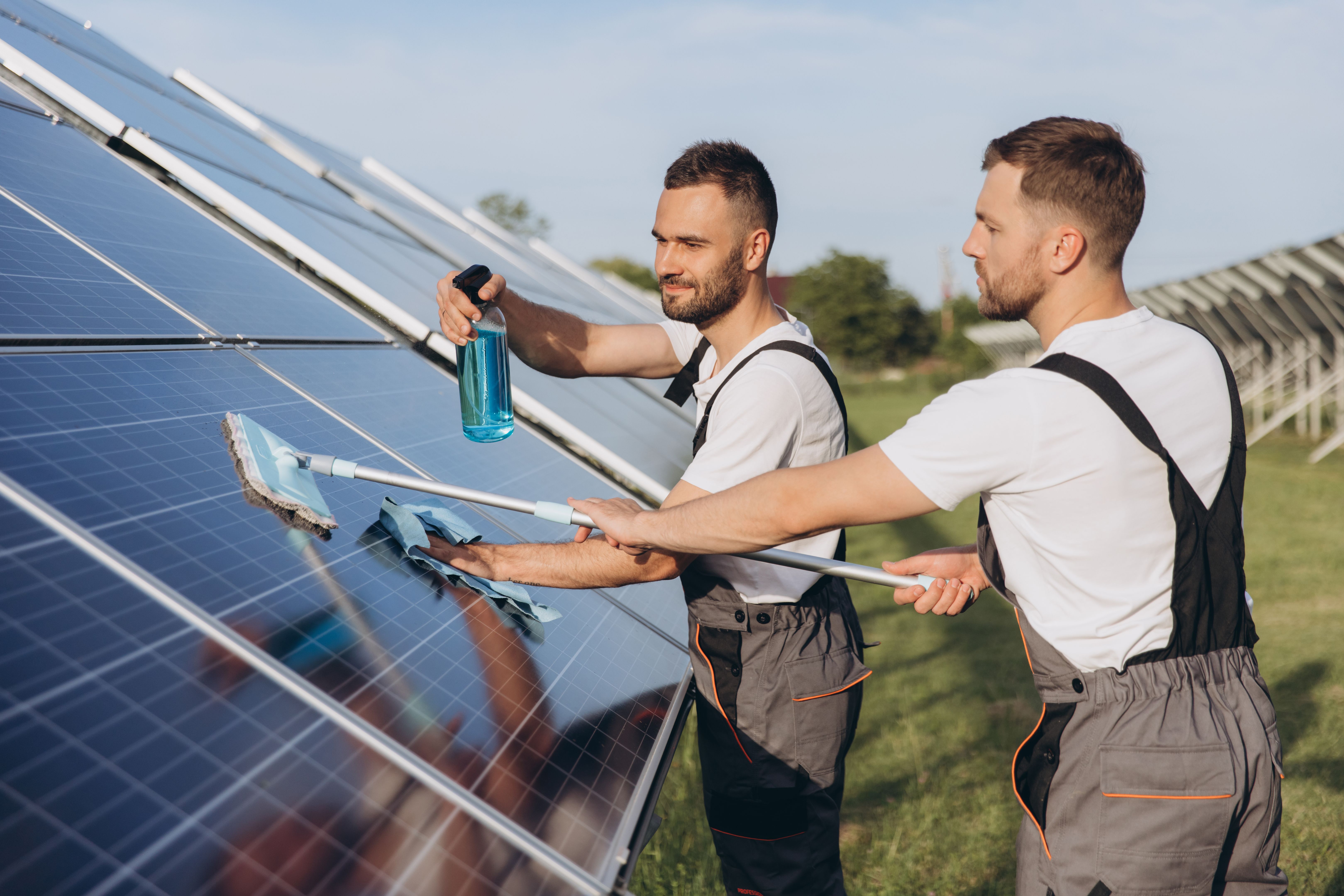
Some people believe that solar panels need constant maintenance and cleaning. In truth, solar panels are designed to be low-maintenance. They have no moving parts and are built to withstand various weather conditions.
Basic Maintenance Requirements
Occasional cleaning to remove dust, leaves, or snow is generally all that is needed to keep solar panels functioning efficiently. Most manufacturers offer warranties that last 20 to 25 years, ensuring long-term performance support.
Myth 4: Solar Energy Isn't Reliable
There is a misconception that solar energy is unreliable and can't provide a consistent power supply. While solar panels generate electricity during daylight hours, advancements in energy storage solutions have significantly improved reliability.
Innovations in Storage Technology
Modern solar systems often include battery storage options that allow homeowners to store excess energy for use during nighttime or cloudy days. This ensures a continuous power supply and enhances the reliability of solar energy.
Conclusion: Embracing Solar Energy
By debunking these common myths, we can better appreciate the potential of solar energy as a sustainable and reliable power source. As technology continues to advance and costs decrease, solar energy is becoming an increasingly viable option for homeowners and businesses alike.