Debunking Common Myths About Solar Energy


Introduction to Solar Energy Myths
Solar energy is a rapidly growing sector, yet many misconceptions persist. These myths can hinder the adoption of solar technology and prevent people from taking advantage of its benefits. In this post, we'll debunk some of the most common myths surrounding solar energy.
Myth 1: Solar Panels Are Too Expensive
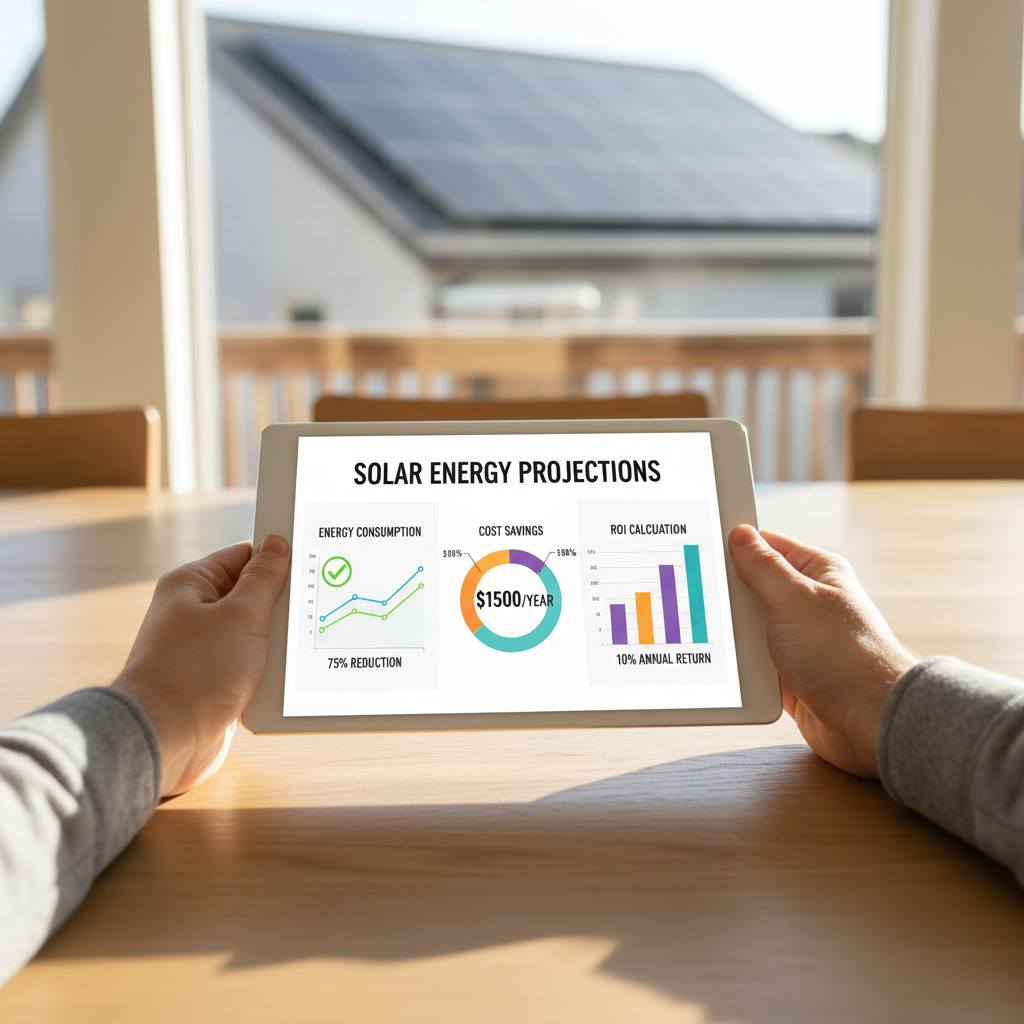
One of the most prevalent myths is that solar panels are prohibitively expensive. While it's true that the initial investment can be significant, the costs have decreased dramatically over the past decade. Additionally, government incentives and financing options make solar more accessible than ever.
Over time, solar panels pay for themselves through reduced electricity bills. Many homeowners see a return on investment within a few years, making it a financially wise choice.
Understanding the Cost-Benefit Ratio
When considering solar energy, it's essential to look at the long-term savings. With rising electricity costs, solar panels offer a hedge against energy price inflation, providing consistent savings for decades.
Myth 2: Solar Panels Require Constant Maintenance
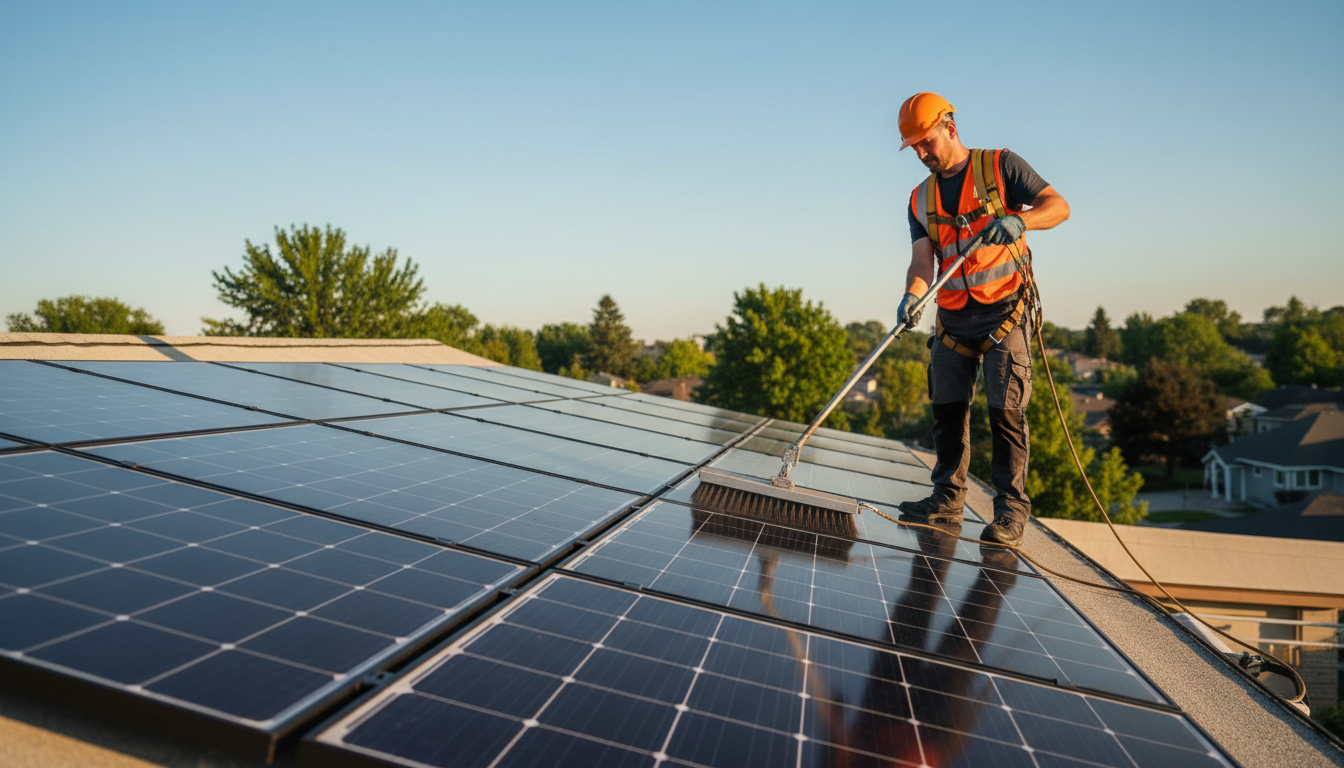
Another common belief is that solar panels require a lot of maintenance. In reality, solar panels are designed to be low-maintenance. They have no moving parts, which reduces the risk of mechanical failure.
Most panels only require occasional cleaning to remove dirt and debris, ensuring optimal efficiency. Manufacturers often provide warranties, offering peace of mind regarding their durability and performance.
Durability and Longevity
Solar panels are built to last, with many lasting 25 to 30 years. Their longevity is a testament to their robust design and engineering, making them a reliable energy source for the long term.
Myth 3: Solar Energy Isn't Effective in Cloudy or Cold Climates
Some people believe that solar energy only works in sunny, warm climates. However, solar panels can still generate electricity on cloudy days and in colder regions. In fact, some countries with less sunshine are leading in solar energy adoption.
Solar panels work by capturing light, not heat, so they can function efficiently even in cooler temperatures. Germany, for example, is a leader in solar energy despite its cloudy climate.
Performance in Various Weather Conditions
Advanced solar technology ensures that panels are effective in diverse weather conditions. Innovations in solar cell technology continue to improve efficiency and output, regardless of geographical location.
Conclusion
Debunking these myths is essential to understanding the true potential of solar energy. By dispelling these misconceptions, more people can appreciate the benefits and opportunities that solar power offers. As technology advances, solar energy will play an increasingly vital role in our sustainable future.