Common Myths About Solar Energy Debunked


Myth: Solar Panels Don't Work in Cloudy or Cold Climates
One of the most pervasive myths about solar energy is that it only works in sunny, warm climates. In reality, solar panels are effective in a variety of weather conditions. They generate electricity from daylight, not direct sunlight, meaning they can still produce energy on cloudy days. Countries with less sunshine, like Germany, are leading in solar energy adoption.
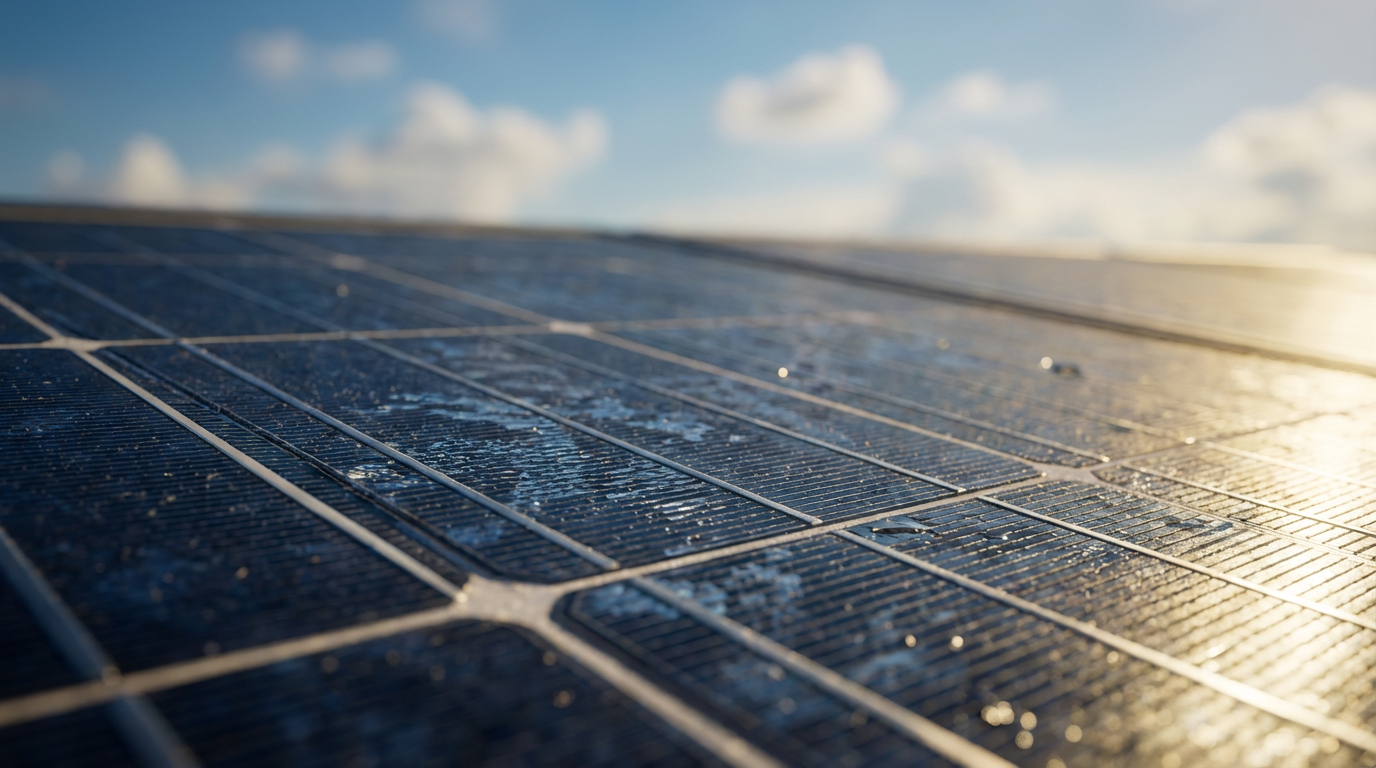
Why Cold Weather Can Be Beneficial
It's a common misconception that cold weather hinders solar panel efficiency. In fact, solar panels often perform better in cooler temperatures. Heat can reduce the efficiency of photovoltaic cells, so a cold climate can actually be advantageous for solar energy production.
Myth: Solar Energy Is Too Expensive
Many people believe that the initial cost of installing solar panels is prohibitively high. However, the cost of solar energy has decreased significantly over the past decade. Government incentives, tax credits, and financing options have made solar installation more accessible than ever before.
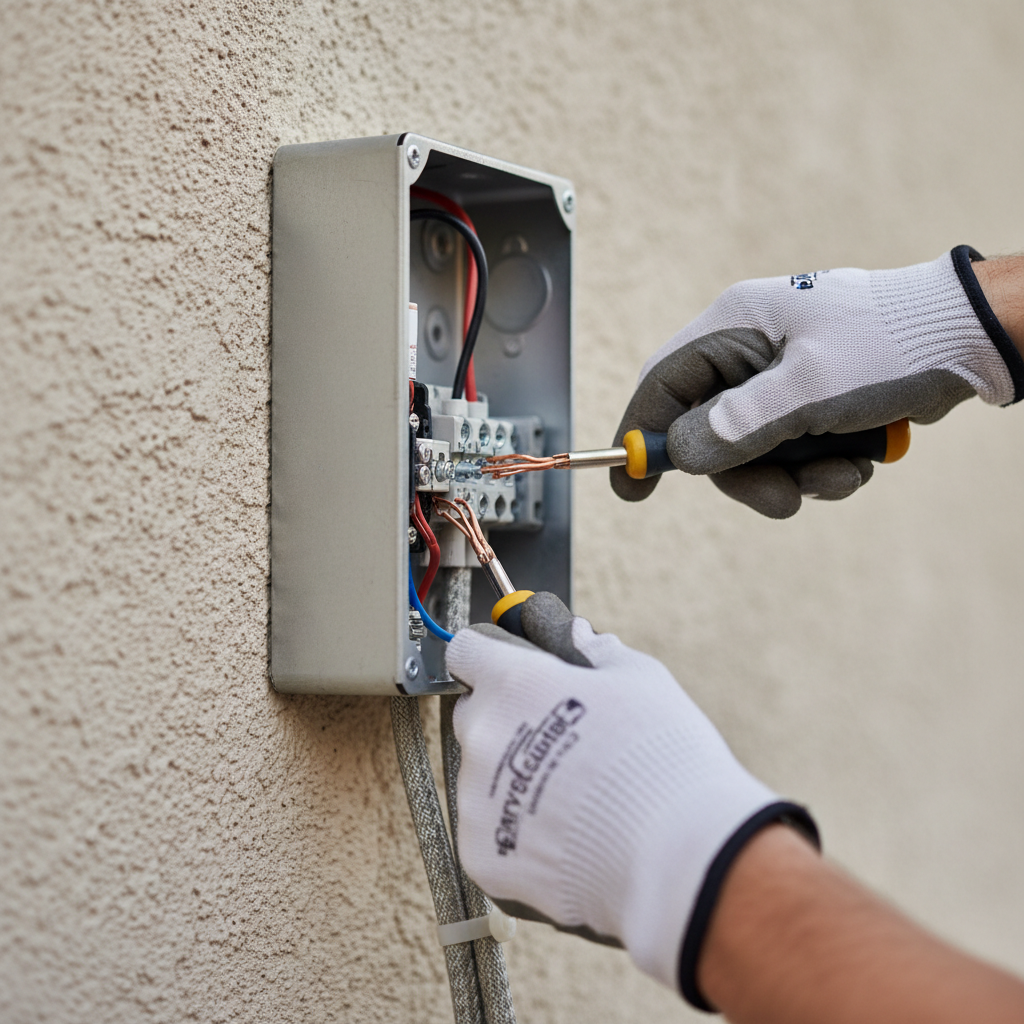
Long-Term Savings
Though the upfront costs can be a concern, solar panels offer substantial long-term savings. Homeowners can reduce or even eliminate their electricity bills, and the return on investment can be significant over the life of the system.
Myth: Solar Panels Require Constant Maintenance
Another common myth is that solar panels require frequent and costly maintenance. In truth, solar panels are designed to be durable and require minimal upkeep. Most systems only need periodic cleaning and inspections to ensure optimal performance.
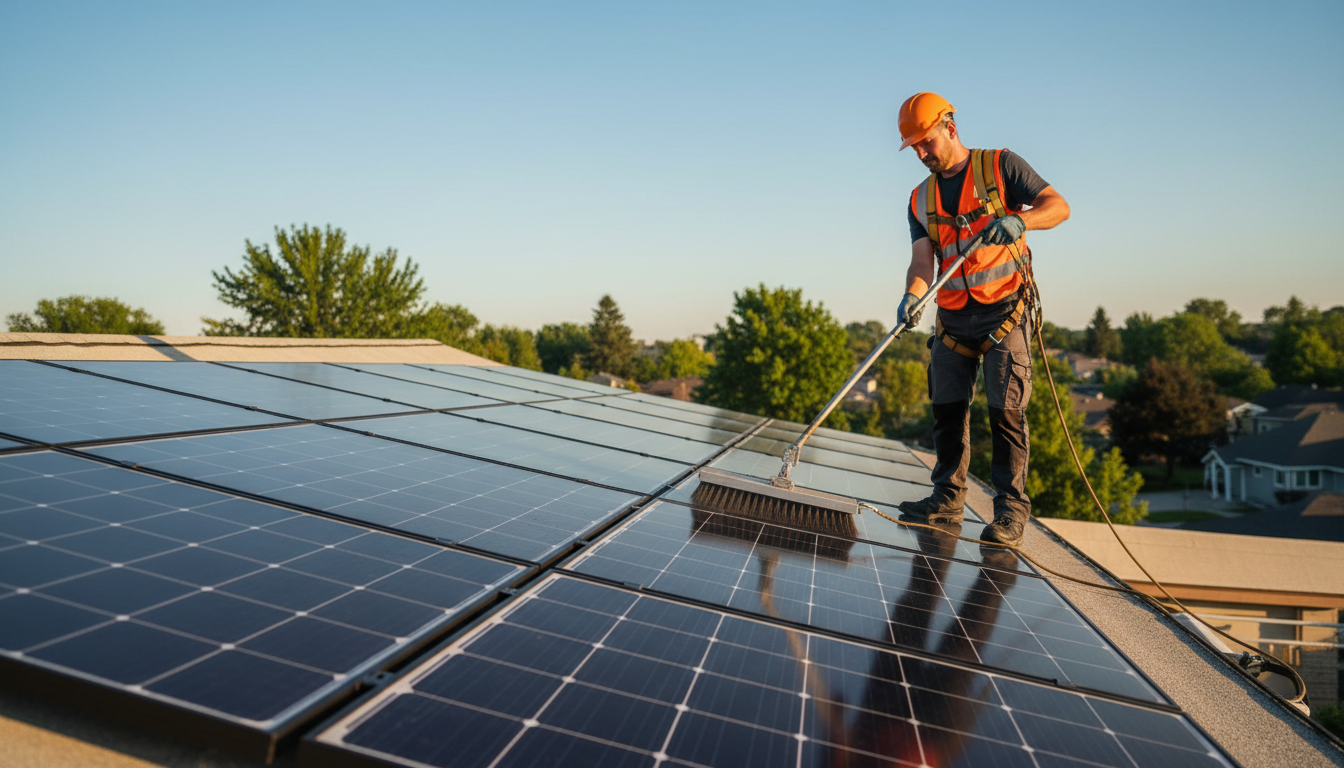
The Durability of Modern Solar Panels
Modern solar panels are built to withstand extreme weather conditions, including hail and heavy snow. They typically come with warranties that last 20-25 years, providing peace of mind to homeowners and businesses alike.
Myth: Solar Energy Isn't Efficient Enough
Some skeptics argue that solar energy technology isn't efficient enough to meet energy needs. However, advancements in technology have significantly improved the efficiency of solar panels. Today’s panels can convert a higher percentage of sunlight into electricity, making them a viable energy source for many applications.
The Growing Efficiency of Solar Technology
With continuous research and development, solar technology keeps evolving. The efficiency and output of solar panels have increased, making them a competitive alternative to traditional energy sources.
By addressing these myths, it's clear that solar energy is a more viable and accessible option than many might think. As technology advances and costs continue to fall, solar power is poised to play a significant role in the future of energy.