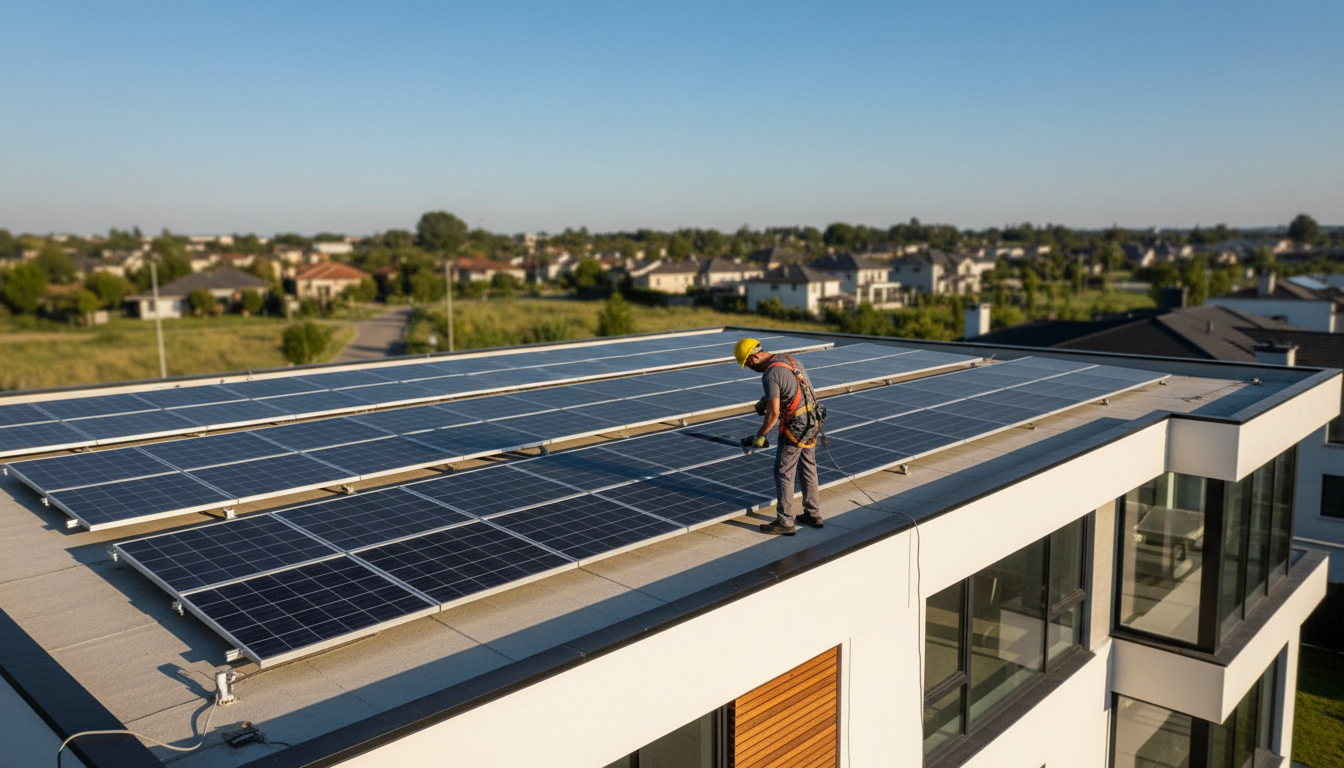
Choosing the Right Solar Panels for Your Home: A Buyer's Guide


Understanding Solar Panel Types
Choosing the right solar panels for your home is a significant decision that can impact your energy efficiency and savings. The first step is understanding the different types of solar panels available. The most common types are monocrystalline, polycrystalline, and thin-film panels.
Monocrystalline panels are known for their efficiency and longevity. They are typically more expensive but offer higher performance. Polycrystalline panels, on the other hand, are more affordable and slightly less efficient. Thin-film panels are lightweight and flexible, making them suitable for specific applications.
Evaluating Efficiency
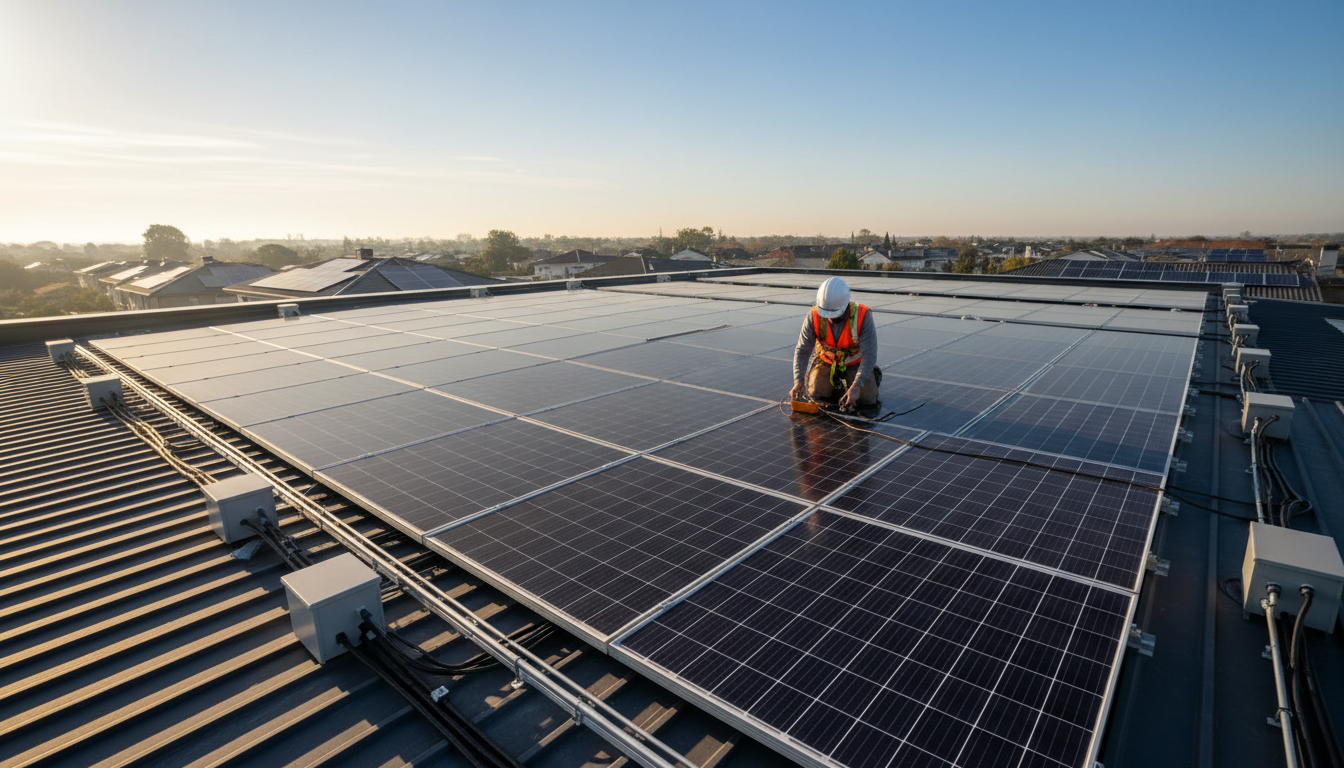
Efficiency is a crucial factor when selecting solar panels. It determines how much sunlight the panels can convert into usable electricity. Higher efficiency panels will require less space to produce the same amount of power as lower efficiency panels.
When evaluating efficiency, consider your roof space and energy needs. If space is limited, investing in higher efficiency panels might be the better option. Always check the manufacturer's efficiency ratings and compare them across different brands.
Assessing Cost and Budget
The cost of solar panels can vary significantly based on the type, brand, and installation complexity. It's essential to set a budget before you start shopping. Keep in mind that while cheaper panels might save you money upfront, they could cost more in the long run if they are less efficient or durable.
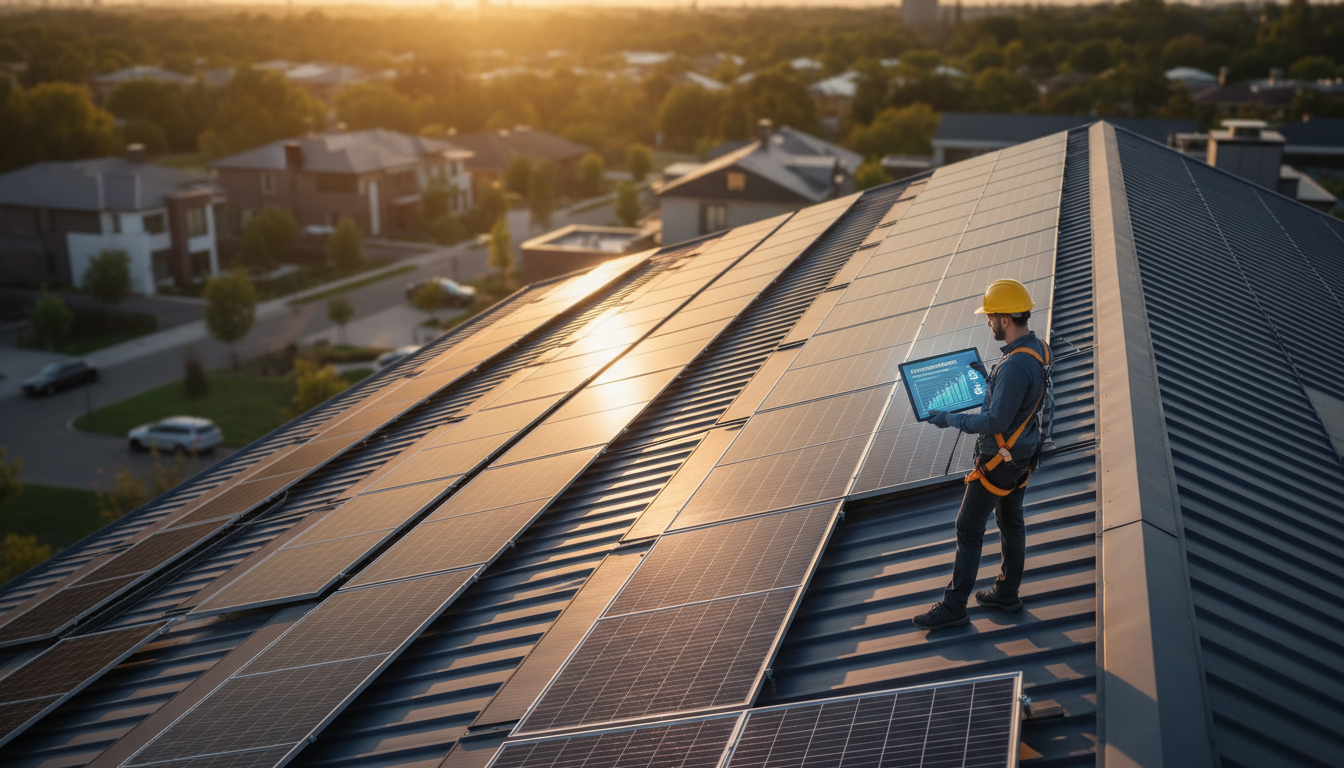
Look for panels with a good balance between cost and efficiency. Many manufacturers offer warranties, which can provide peace of mind about your investment. Be sure to factor in the potential savings on your energy bill when calculating the overall cost.
Considering Durability and Warranty
Durability is another important aspect. Solar panels are exposed to the elements, so they need to be robust and weather-resistant. Check the manufacturer's warranty, which typically ranges from 10 to 25 years. A longer warranty period often indicates confidence in the product's durability.
Consider panels with high durability ratings, especially if you live in an area prone to severe weather. Investing in quality materials can ensure your solar system lasts for decades.
Seeking Professional Installation
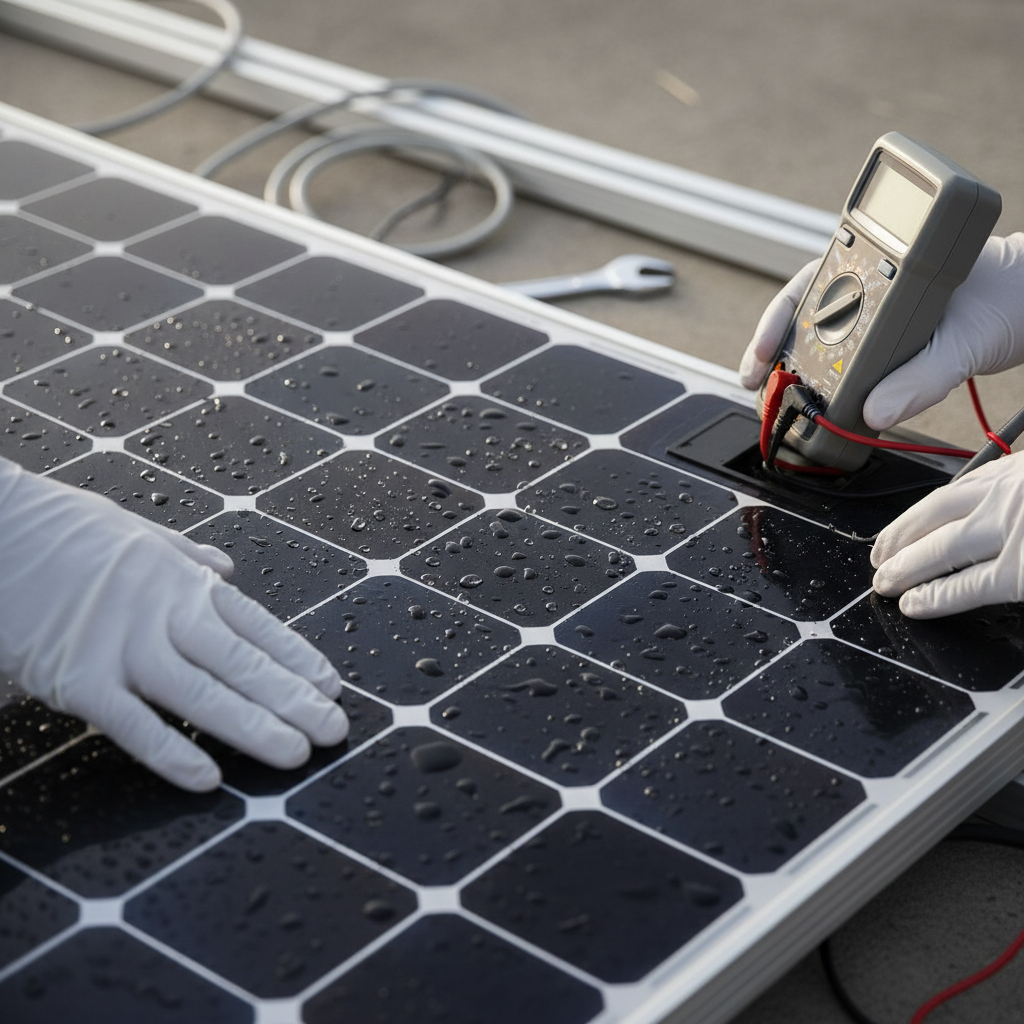
Once you've chosen the right panels, professional installation is crucial to ensure optimal performance. An experienced installer will assess your roof's condition, angle, and orientation to maximize energy production. They can also handle necessary permits and paperwork.
Look for certified installers with a proven track record. A well-installed system not only performs better but also has a longer lifespan.
Exploring Incentives and Rebates
Many governments offer incentives and rebates to encourage solar panel adoption. These can significantly reduce the initial cost of your solar system. Research local and federal programs to find out what incentives you might qualify for.
Some programs offer tax credits, while others provide rebates based on system performance. Taking advantage of these opportunities can make solar energy more affordable and attractive.