Choosing the Right Solar Panels for Your Home: A Buyer’s Guide


Understanding Your Energy Needs
When choosing solar panels for your home, the first step is to understand your energy needs. Analyze your current electricity usage by reviewing your utility bills. This will help you determine how much energy your solar panels need to produce.
Consider factors like the size of your home, the number of occupants, and any future energy needs. It’s also important to assess your roof space and orientation, as these can impact the efficiency of your solar panels.
Types of Solar Panels
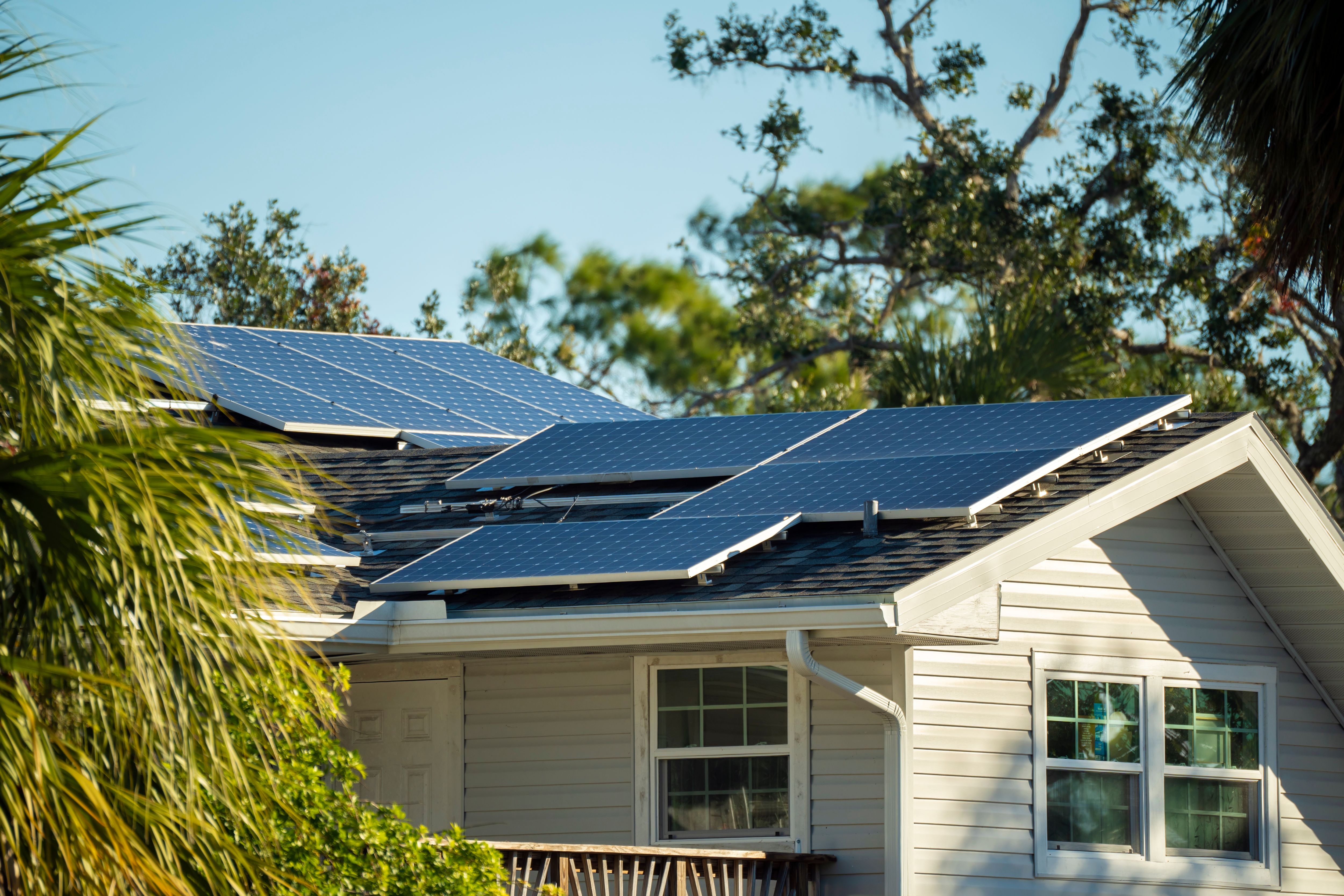
There are several types of solar panels available, each with its own advantages. The most common types are monocrystalline, polycrystalline, and thin-film solar panels.
Monocrystalline Solar Panels
These panels are made from a single crystal structure, offering high efficiency and longevity. They're ideal for homes with limited roof space due to their higher power output.
Polycrystalline Solar Panels
Polycrystalline panels are made from multiple silicon crystals. They typically have a lower efficiency than monocrystalline panels but are more cost-effective. They work well if you have ample roof space.

Efficiency and Cost
When selecting solar panels, efficiency and cost are crucial factors to consider. More efficient panels convert more sunlight into electricity, which can be beneficial if you have limited space.
However, higher efficiency often comes with a higher price tag. It's essential to balance efficiency with your budget to find the best option for your home.
Durability and Warranty
Solar panels are a long-term investment, so consider their durability and warranty. Look for panels with robust build quality and a warranty of at least 25 years. This ensures that your panels are protected against defects and performance issues.

Installation and Maintenance
Proper installation is key to maximizing the performance of your solar panels. Choose a reputable installer with experience and positive customer reviews. They should provide a comprehensive installation plan and clear pricing.
Regular maintenance is also important. While solar panels require minimal maintenance, periodic cleaning and inspections can help maintain their efficiency and extend their lifespan.
Incentives and Rebates
Take advantage of available incentives and rebates to reduce the overall cost of your solar panel installation. Many governments offer tax credits, rebates, and other incentives to encourage the adoption of solar energy.
Research the incentives available in your area, as they can significantly lower your upfront costs and improve your return on investment.